Beyond the Artist Identity — The Governance of Artistic Practice, Fakewhale LOG.
A recognizable practice gives an artist a place in the world. It also gives that world something to expect. A successful language can begin to organize the next decision before the artist has examined what the work requires. The difficulty lies in finding enough distance to see where continuity has hardened into obligation.
That distance has material conditions. Patrons, dealers, markets, and museums distribute the resources that sustain artistic work and shape its passage into cultural memory. Their support creates possibilities while attaching expectations to them. Autonomy develops through these relationships, in decisions about which conditions a practice can accept and which it needs to change.
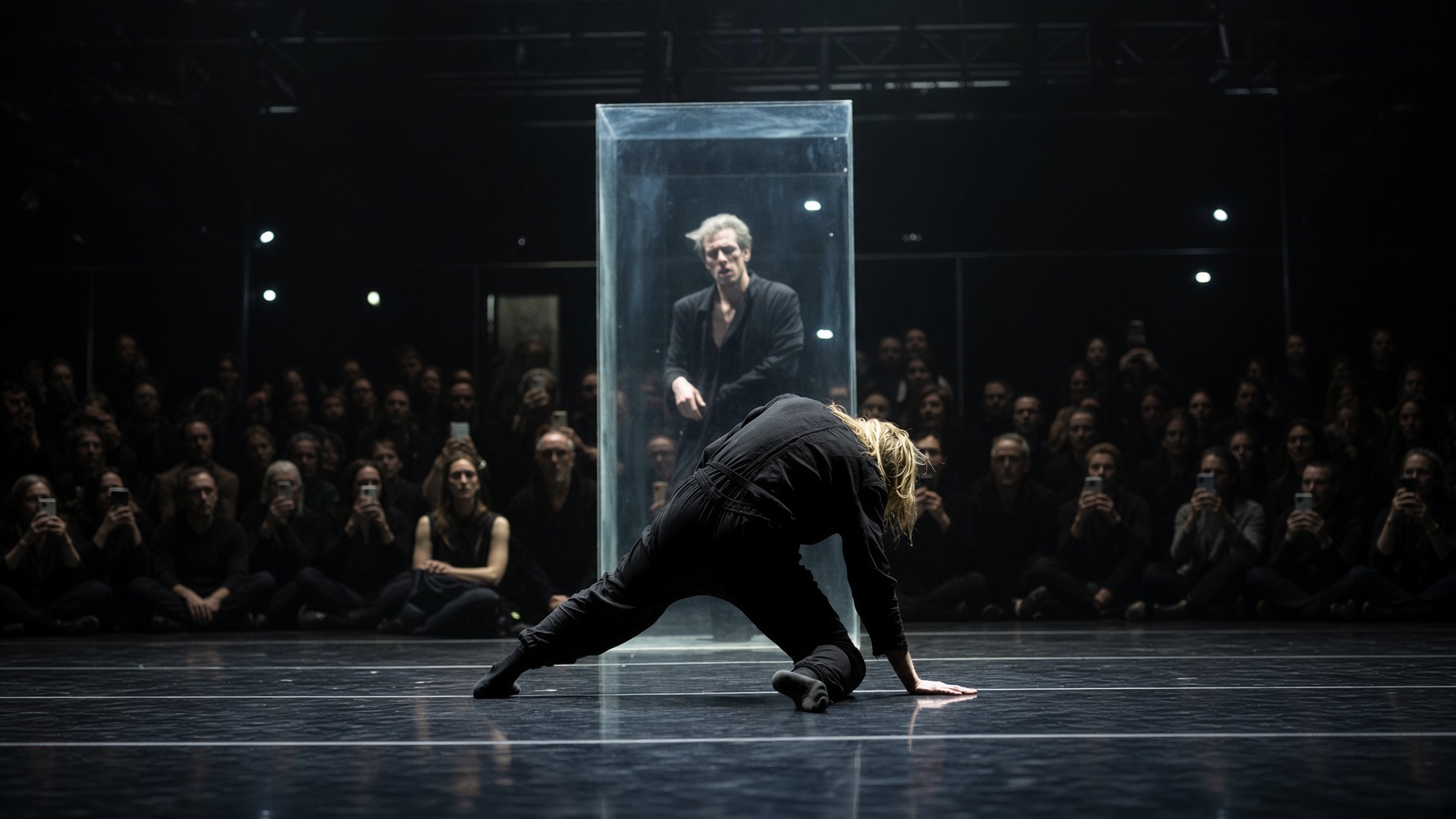
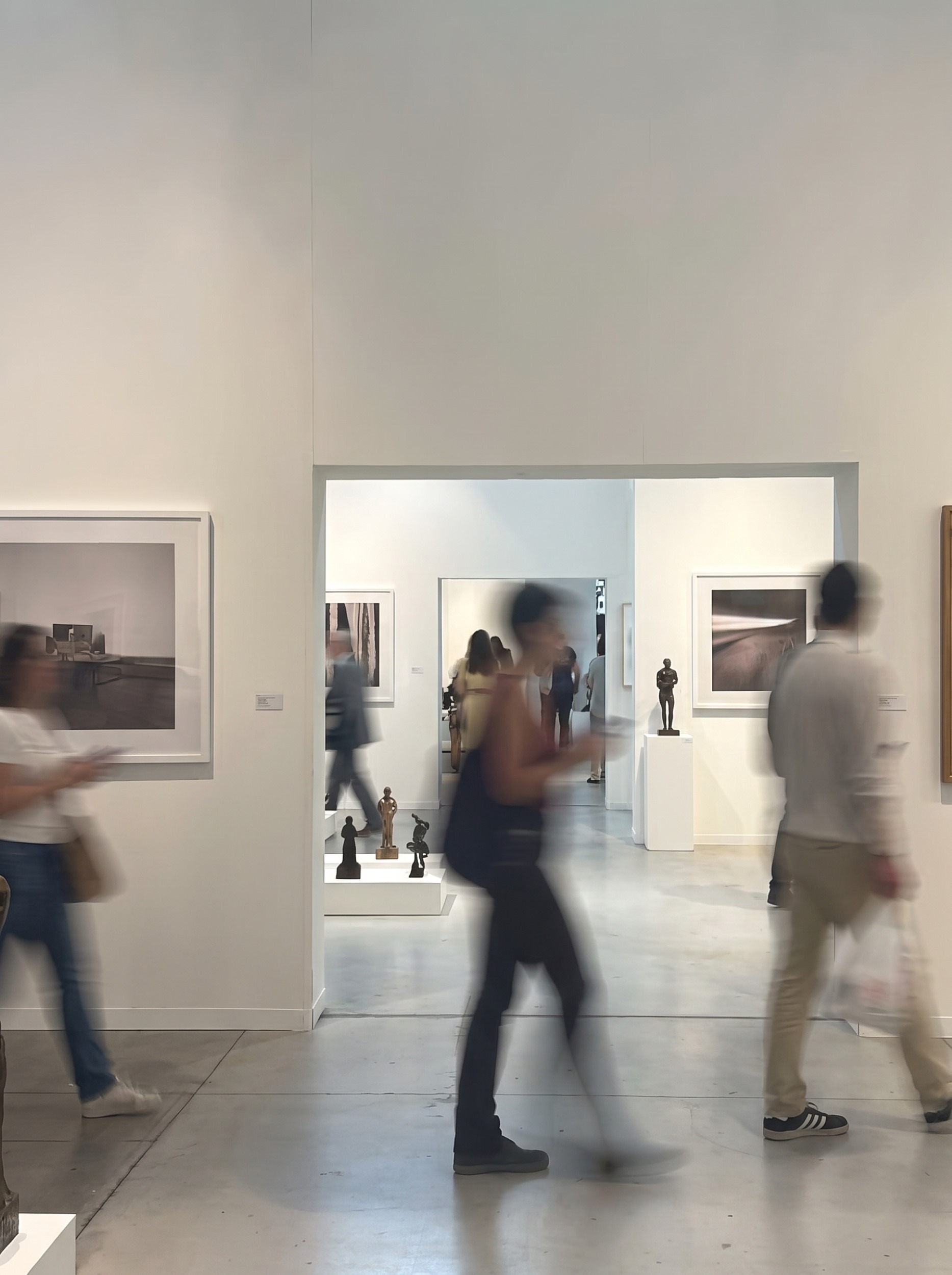
The encounter with the public adds another limit. Much of a work’s accumulated history remains unavailable to its viewers, while their attention can circulate as a signal of recognition before a purchase takes place. This issue follows the decisions, resources, and acts of looking through which art acquires a position beyond the studio.
*Editorial introduction — Fakewhale Newsletter Issue #94.
The Artist Must Stop Being an Artist: The Governance of Artistic Practice

The Paradox — The Governance of Artistic Practice, Fakewhale LOG.
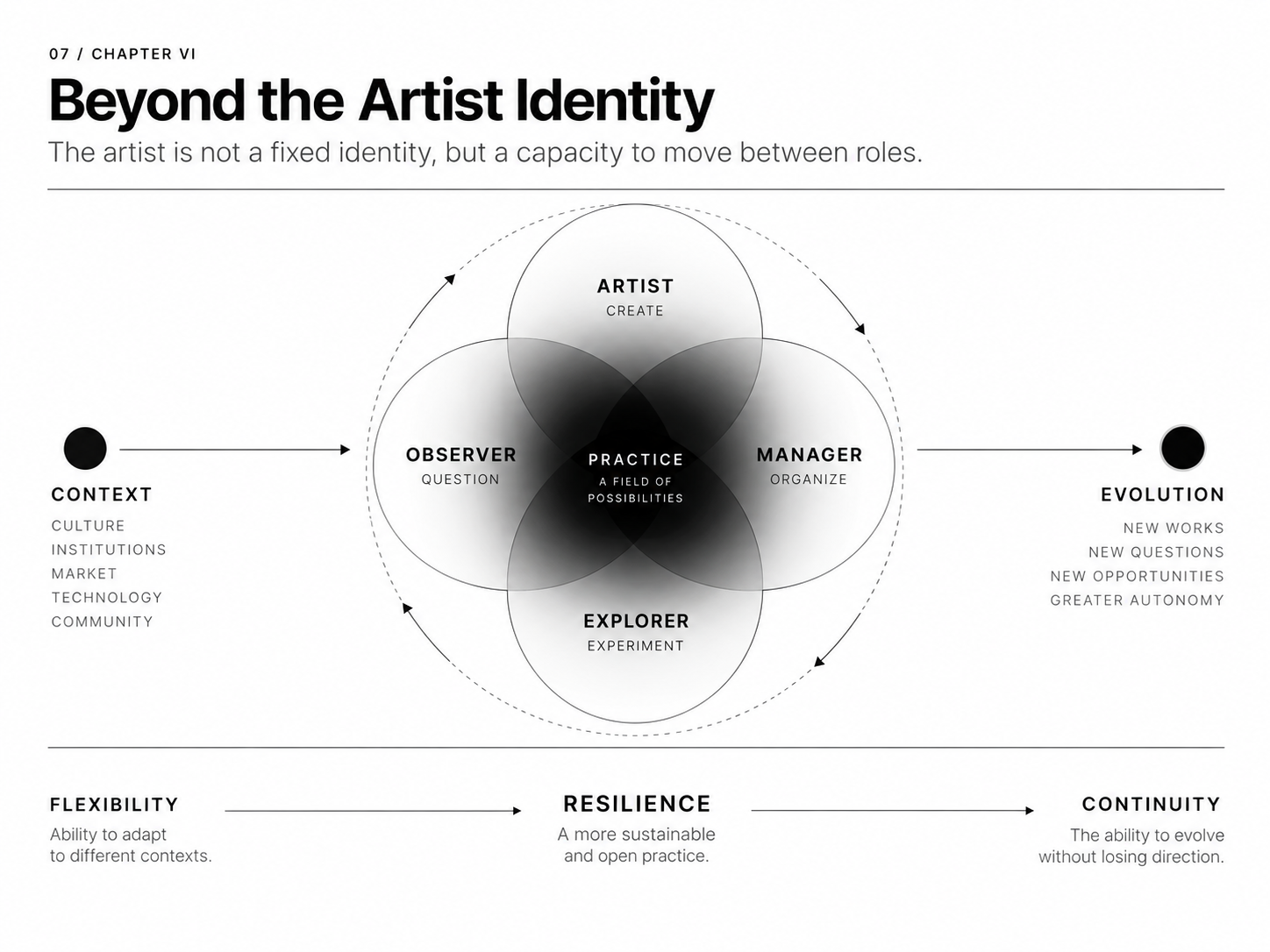
Recognition helps a practice become legible. Over time, the forms an artist has developed also become a set of expectations the artist can anticipate. Decisions begin to feel appropriate because they belong to a familiar trajectory. What once opened a field of inquiry can gradually restrict the questions that are allowed inside it.
Immersion makes this restriction difficult to examine. The maker knows the work through its intentions, productive accidents, and unresolved problems; a viewer encounters what has actually become available. Creating some distance between these perspectives allows the artist to compare their account of the work with what the work presents to others.
Such distance needs a specific purpose. Reviewing a completed series, rearranging an archive, or listening to an independent observer may reveal repetitions that production alone conceals. The exercise offers no position outside all bias. It changes the circumstances of judgment and makes the artist’s first explanation open to revision. (…)

The Risk of a New Identity — The Governance of Artistic Practice, Fakewhale LOG.
(…) The practical conditions deserve the same attention. Budgets, contracts, production schedules, and decisions about exhibitions already shape a studio, whether the artist directs them deliberately or leaves them to urgency. Organizing those conditions can protect time for research and preserve the possibility of refusing an opportunity.
Yet the strategic professional can become another identity that demands constant consistency. A practice needs periods of immersion as well as moments of scrutiny, and the resources to move between them. Its freedom grows through that movement: the ability to question an inherited direction without requiring every experiment to justify itself in advance. (…)
Explore the full Insight↓
The Economics of Art History: Capital, Recognition, and Artistic Possibility

Who Finances Artistic Freedom? — The Economics of Art History, Fakewhale LOG.
Art history records inventions in form alongside a less evenly remembered history of support. Workshops need materials and labor; painters need time; institutions decide what to exhibit and preserve. The distribution of wealth influences who can make work, how it reaches a public, and which objects remain available to later generations.
Different arrangements produce different freedoms. Court commissions, scholarly leisure, Florentine patronage, and the Dutch market each enabled artistic activity through a particular structure of dependence. More buyers could widen opportunity while increasing competition. Greater material security could support sustained inquiry while leaving cultural and political expectations firmly in place. (…)

Reputation Is Not Liquidity — The Economics of Art History, Fakewhale LOG.
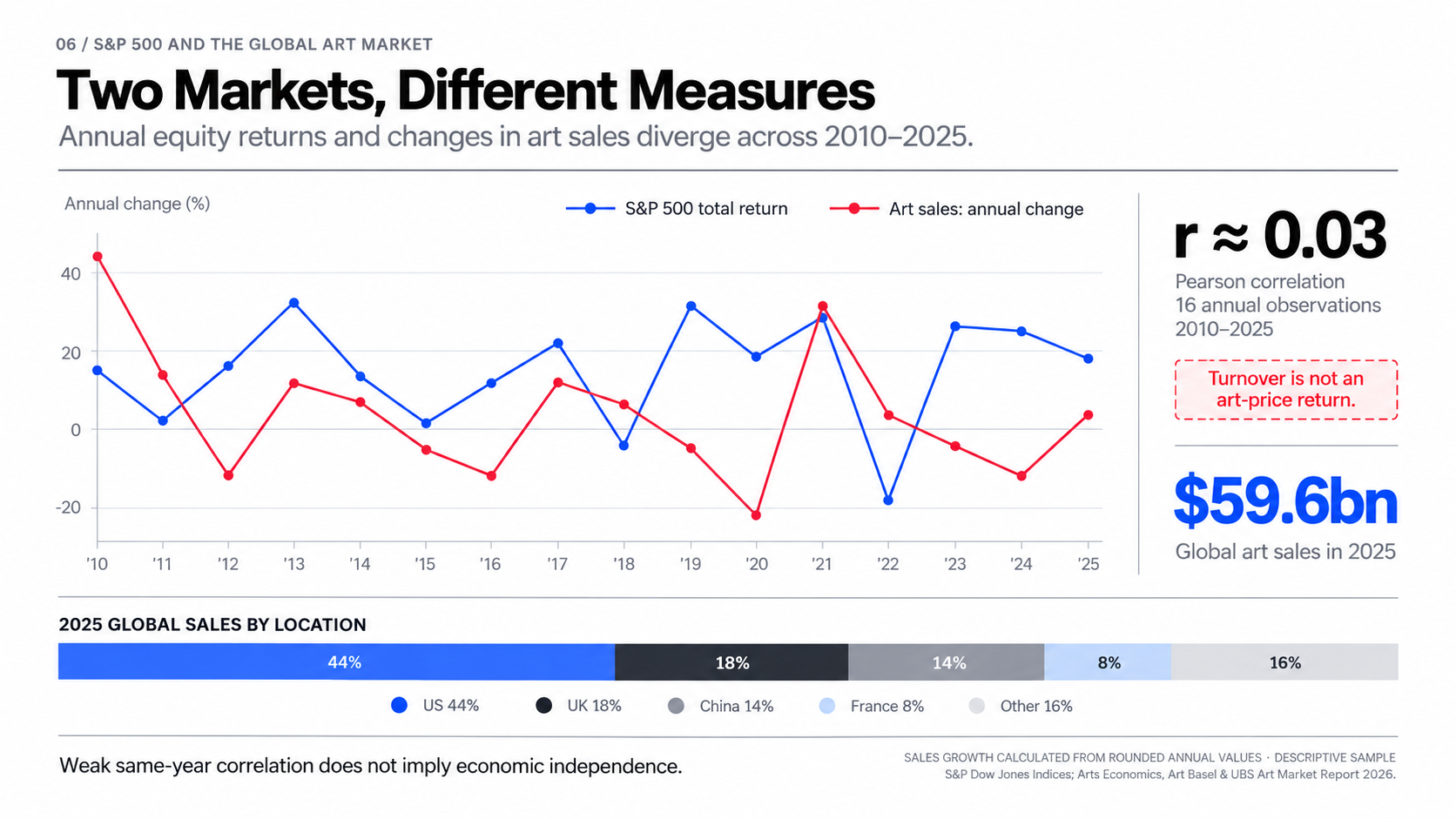
(…) The later market history of a work follows its own course. A painting can become expensive long after the circumstances of its production have disappeared, with its appreciation benefiting subsequent owners. Historical importance, an auction price, and an artist’s livelihood therefore need to be examined separately, even where the institutions connecting them overlap.
Following capital through art history makes these connections visible without turning money into a complete explanation. Dealers, collectors, and museums allocate support and consolidate reputations; artists negotiate those arrangements and sometimes make them the subject of the work. The resulting possibilities remain contingent. Financial resources can sustain an investigation, but neither wealth nor recognition settles its meaning. (…)
Explore the full Insight↓