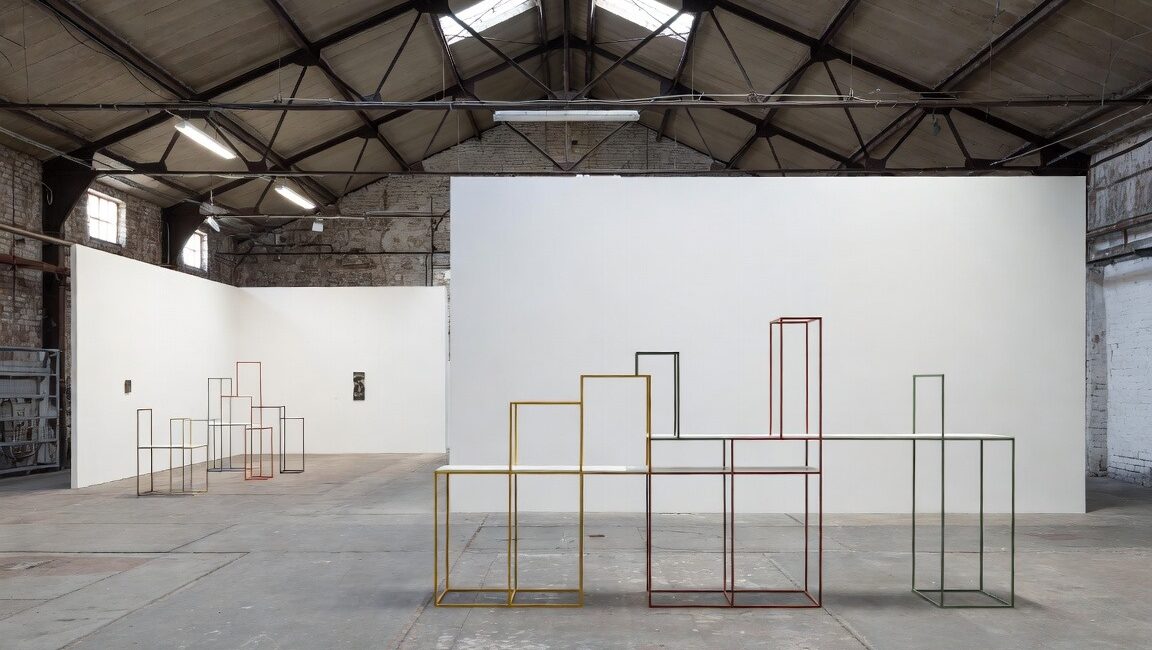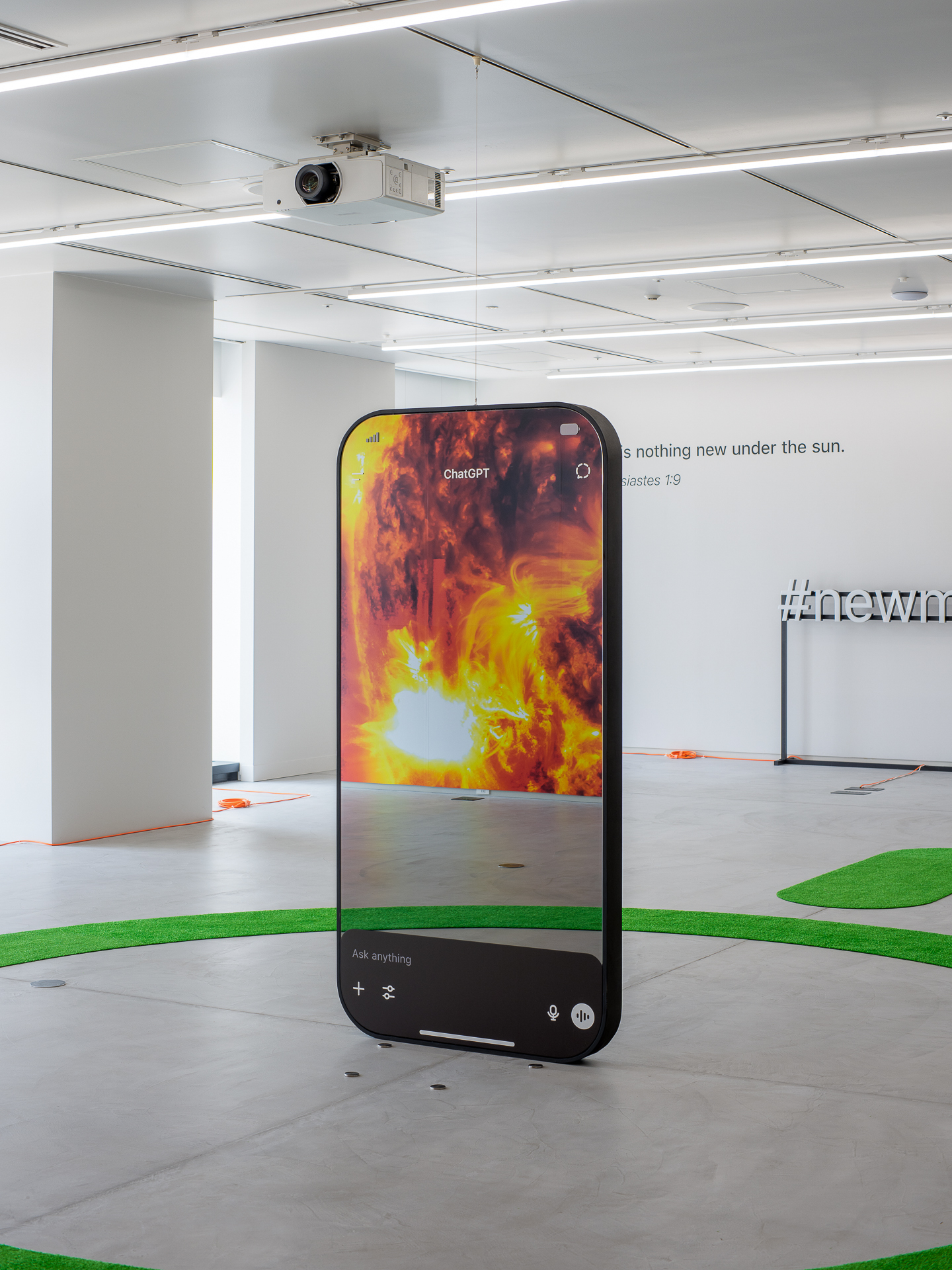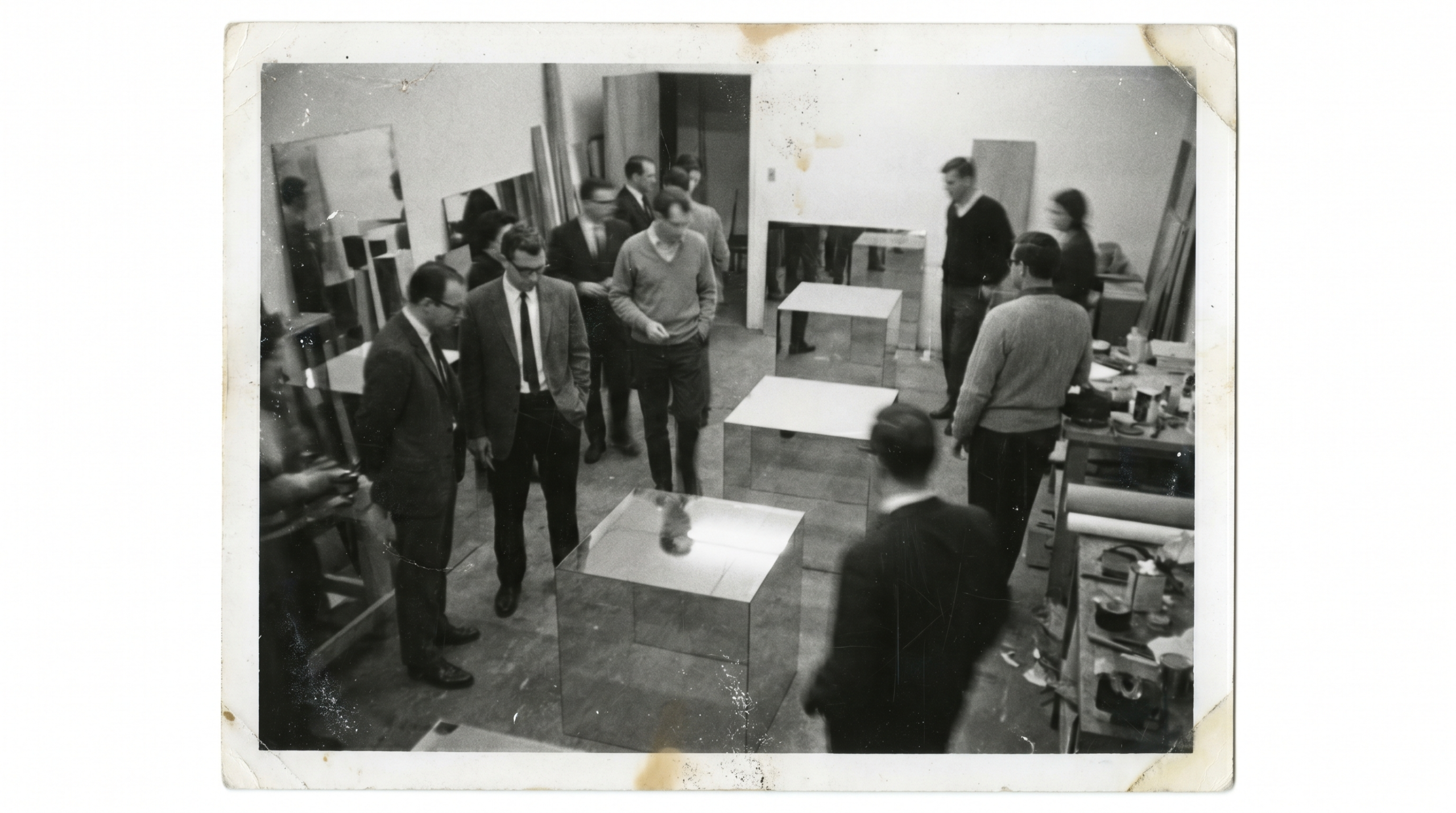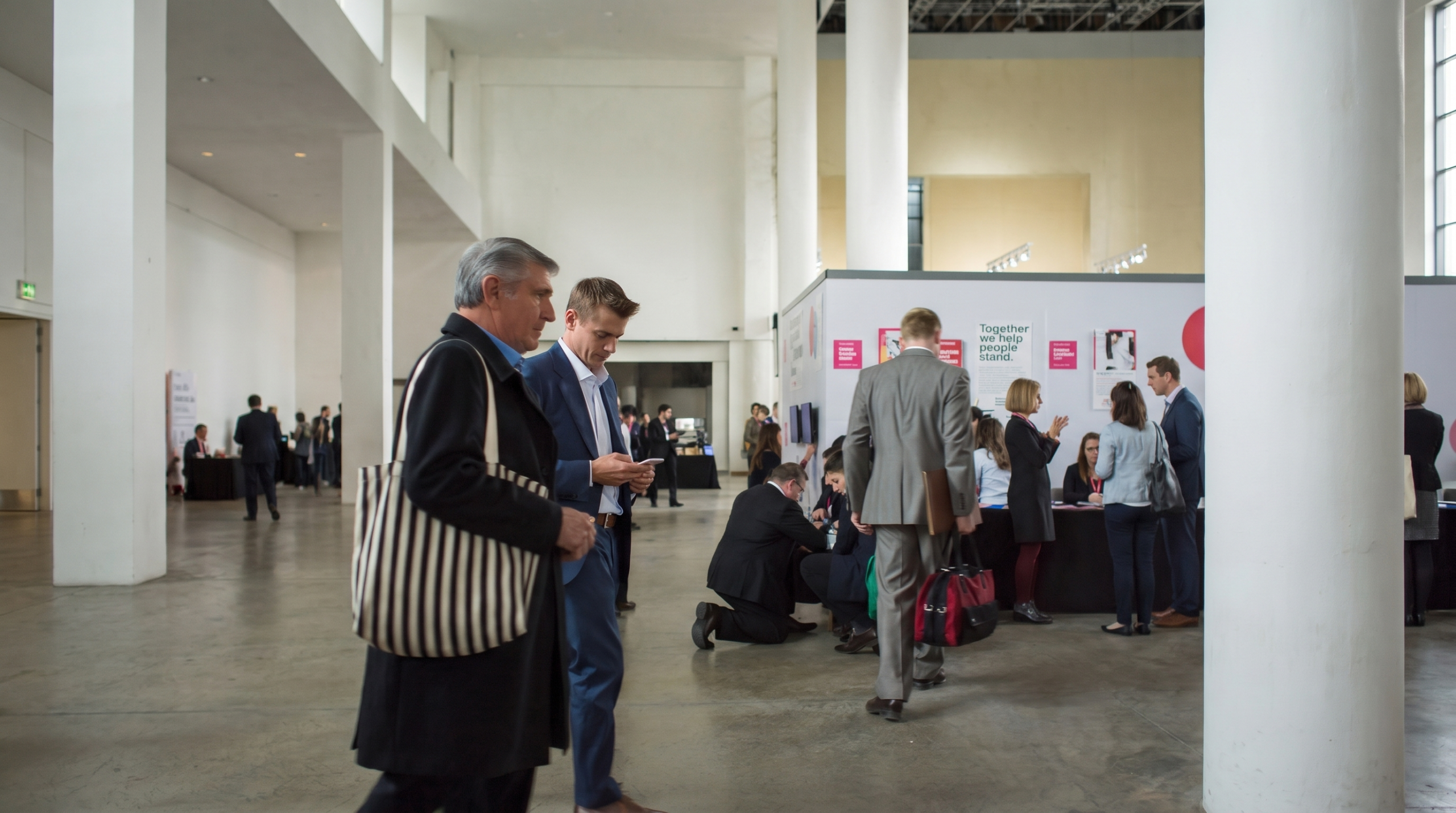
A Number Enters the Room, AI-generated, Fakewhale Studio, Output YA1279, 2026
An experience can feel immediate while depending on a complicated arrangement of tools, money, institutions, and other people’s labour. AI interfaces and exhibition spaces make very different promises, yet each helps determine what can be created, how it circulates, and who gets to encounter it.
This issue begins with platforms moving from organizing content toward producing and interpreting it, then asks why independent art spaces can gain room to manoeuvre by not fixing their identity. In both cases, capabilities cannot be separated from the arrangements that support them. Convenience, freedom, and flexibility carry conditions.
Below, Shōei Matsuda approaches the artist as a medium for realities already in motion, while minimalism reveals how a language developed against personal expression can acquire emotional force. Across these readings, experience is neither simply delivered nor entirely controlled: it takes shape through systems, decisions, and the people who answer for them.
*Editorial introduction — Fakewhale Newsletter Issue #92.
Post-Media Logics and Condition: The Business of Synthetic Experience

A Number Enters the Room, AI-generated, Fakewhale Studio, Output YA1273, 2026
Artificial intelligence is changing the internet in ways that are easy to overlook. A conversation with a chatbot can become a signal for advertising. A video can be produced without a camera. An artificial companion can hold someone’s attention for hours. A search engine can answer a question without sending the reader to the publication that reported the story.
These developments are often discussed separately, as questions of privacy, creativity, mental health or misinformation. Together, they point to a wider change in the business of digital experience. For much of the internet’s history, platforms made money by organizing access to material created elsewhere. Generative AI allows them to take a more direct role in producing that material, interpreting it and responding to the people consuming it.
The distinction matters. When the same companies control the tools used to create content, the systems that distribute it and the interfaces through which people make sense of it, their influence extends well beyond what appears on a screen. The evidence is already visible in corporate announcements, regulatory investigations and the changing economics of digital media. The consequences are less settled. (…)
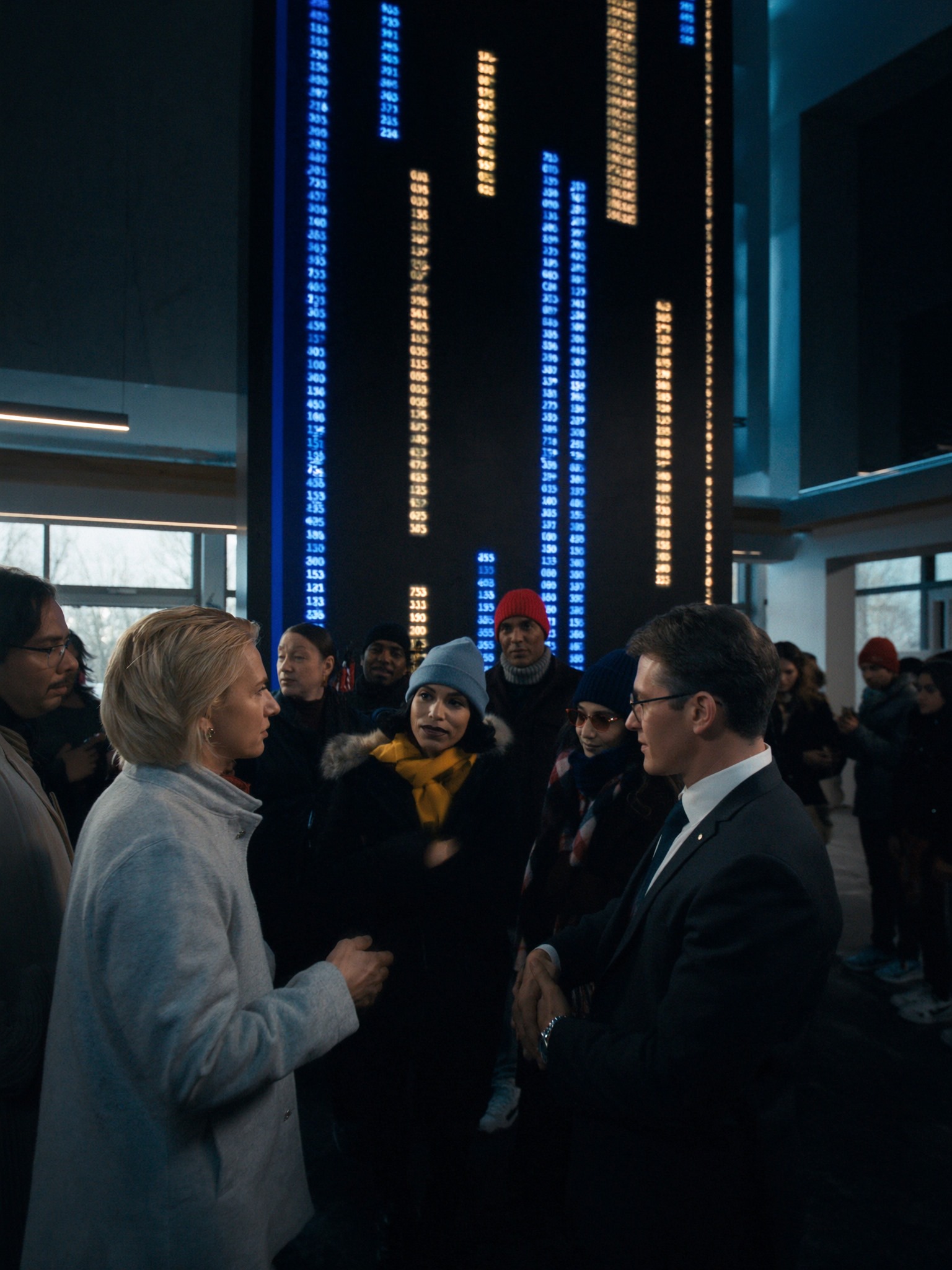
A Number Enters the Room, AI-generated, Fakewhale Studio, Output YA1276, 2026
(…) Generative tools can reduce the cost of producing images, voiceovers, translations, music and video sequences. A creator who previously needed a studio, expensive software or a production team may now be able to complete parts of that work independently. For small publishers, independent filmmakers and artists, these are meaningful opportunities. They can remove financial barriers that have historically excluded people from professional production. The same tools are available to operators interested primarily in volume. A production workflow can begin with a generated script, continue through synthetic narration and imagery, and end with automated editing, translation and distribution. What once required several people and a considerable amount of time can, in certain formats, be assembled through a relatively inexpensive chain of services.
Meanwhile, the platforms occupy an advantageous position. They provide the tools, manage distribution, establish monetization rules and collect information about audience response. The resulting struggle will help determine what kinds of creative work remain economically sustainable. The question for the next generation of cultural producers is therefore practical: who owns the material, who is paid for its creation, and who controls whether anyone gets to see it? (…)
Explore the full Insight↓
The Independent Advantage
A Number Enters the Room, AI-generated, Fakewhale Studio, Output YA1272, 2026
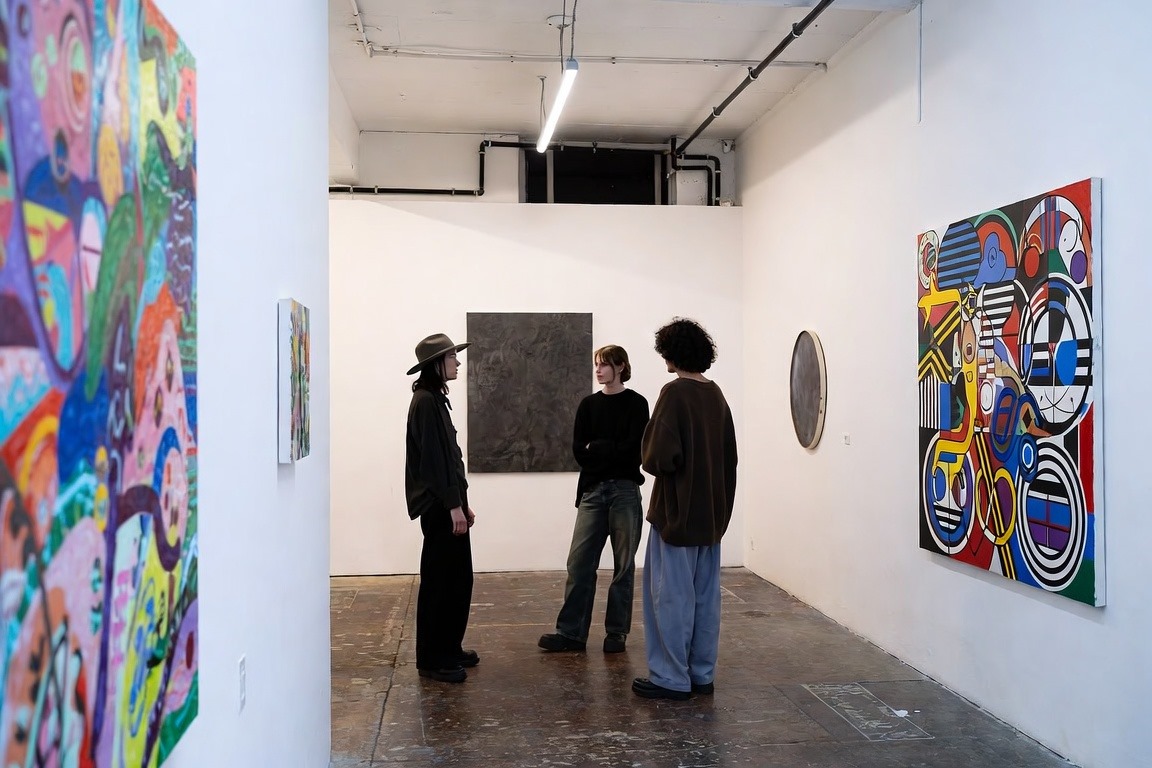
For decades, the contemporary art world appeared to operate according to a fairly clear division of labour. Galleries sold art. Museums conferred legitimacy. Foundations supported research. Independent spaces occupied the experimental margins, often associated with financial insecurity and a position outside the major international circuits.
That division is becoming harder to defend. An increasing amount of artistic activity takes place in organisations that resist easy classification. They mount exhibitions without formally representing artists, sell work without operating like conventional galleries, collaborate with institutions without adopting their bureaucracy, and can radically alter their identity, programme or structure in a matter of months. Their advantage is not necessarily that they have more resources. It is that they can operate with fewer commitments. (…)
A Number Enters the Room, AI-generated, Fakewhale Studio, Output YA1275, 2026
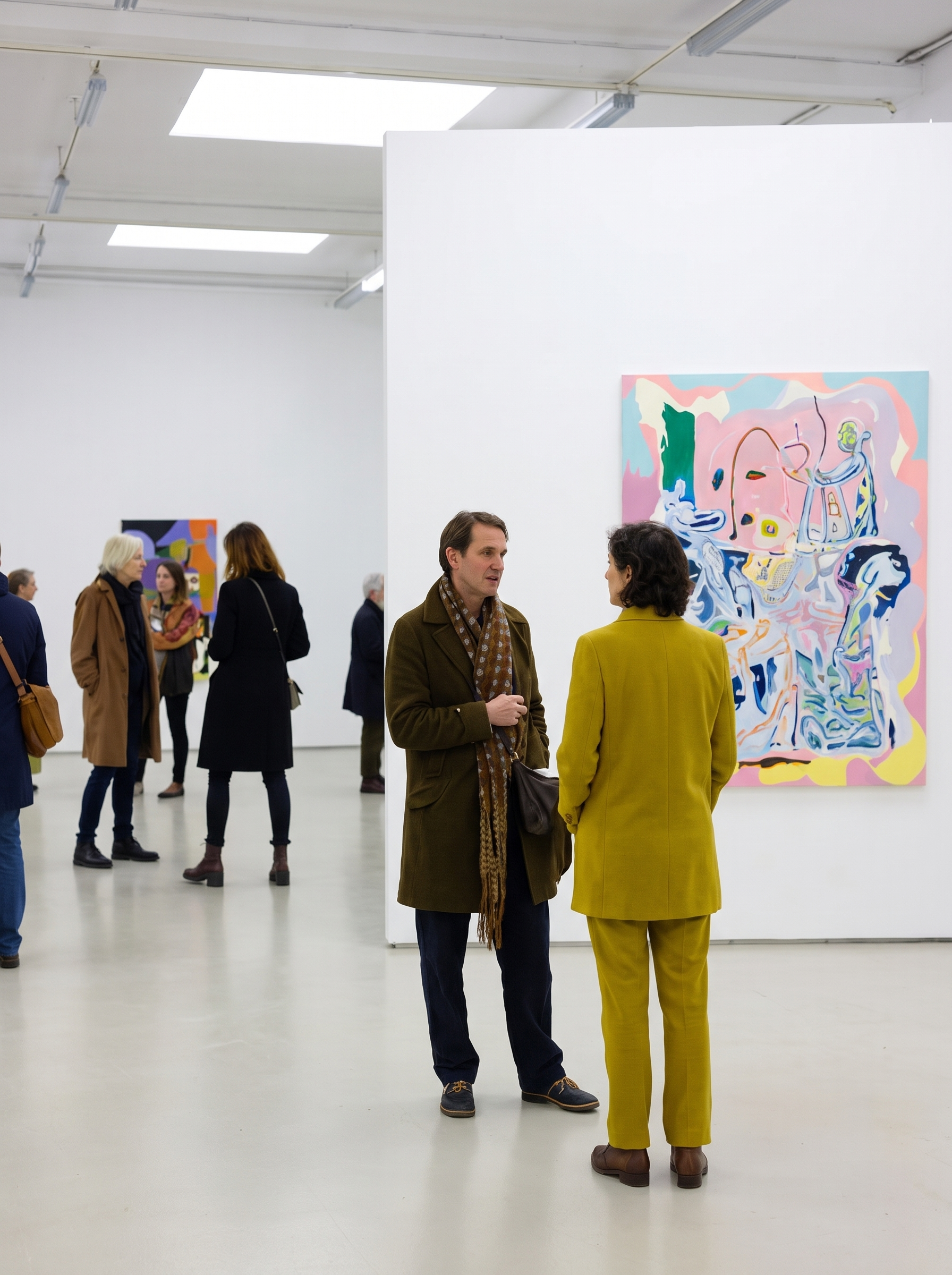
(…) An independent space may be built around a much more variable cost structure. It can share a building with other activities, open only for certain periods, work through temporary partnerships or concentrate its resources on a few projects each year. It may dispense with a permanent venue altogether, using different sites according to the needs of each exhibition. The advantage is not necessarily spending less. It is having greater control over when and where money is spent.
This flexibility comes with an obvious risk. Reducing fixed costs can mean shifting financial uncertainty onto collaborators, artists and founders. Many spaces survive through unpaid labour, personal generosity and resources that never appear in formal accounts. An apparently efficient organisation may simply be one whose costs are being privately subsidised. Economic lightness and economic sustainability are not the same thing. (…)
Explore the full Insight↓