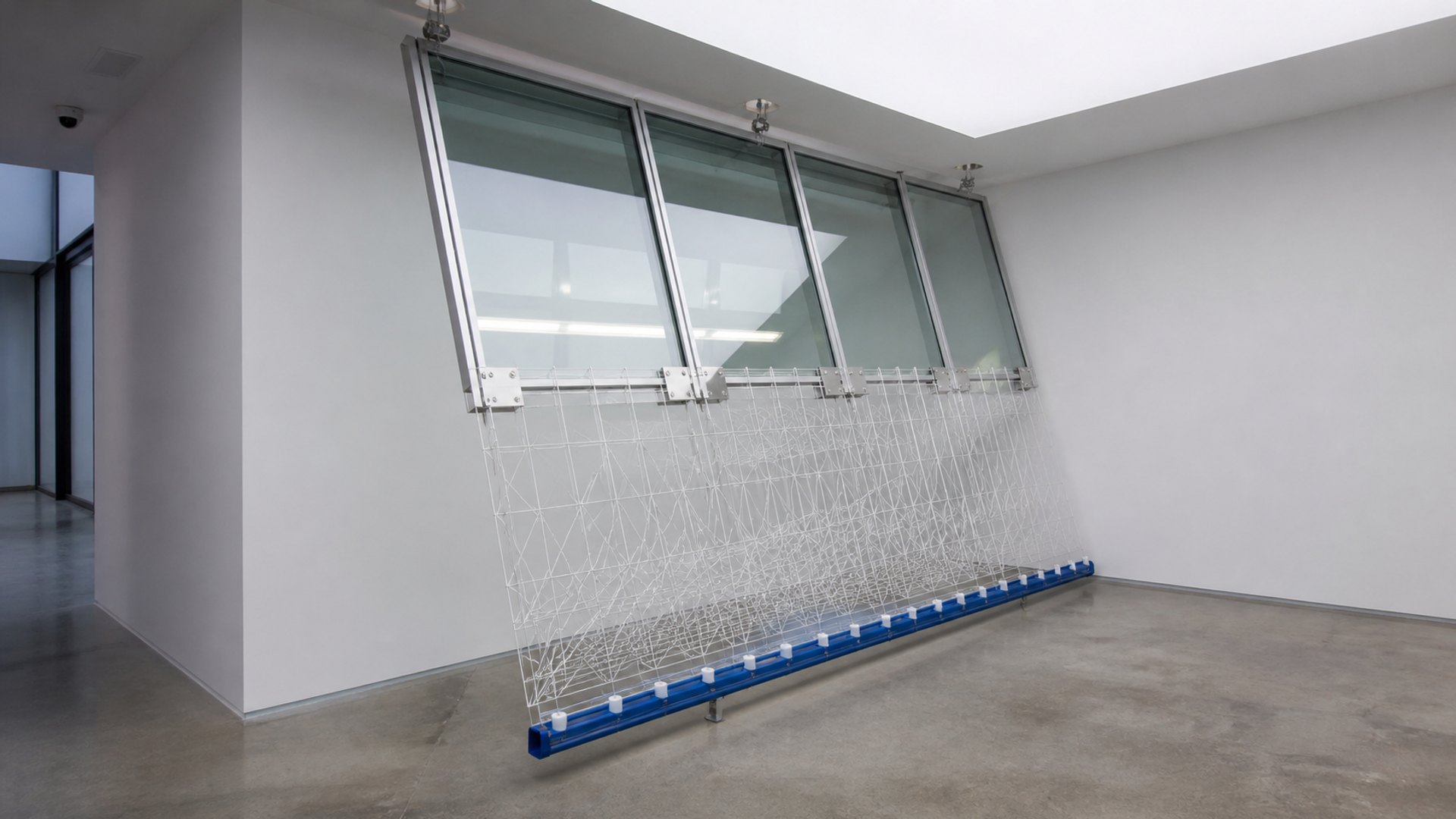
Heat Rewrites The Emulsion, gen. Fakewhale Studio, Output YA882, 2026
Last night we were looking through a catalogue of Andy Warhol’s Oxidation Paintings: canvases coated with metallic pigments and then literally urinated on. The copper reacted, the surface stained, shifted in colour, corroded. The accident was never concealed. It became the image.
That immediately made us think of the early glitches of generative AI: six-fingered hands, multiplying teeth, bodies dissolving into one another, details suspended somewhere between plausibility and absurdity. For a time, we learned to recognise an AI-generated image precisely through what it failed to resolve. The error acted as an index, making the presence of an otherwise invisible system legible on the surface. (…)
The Strange Cultural Afterlife Of AI-Made Imperfection

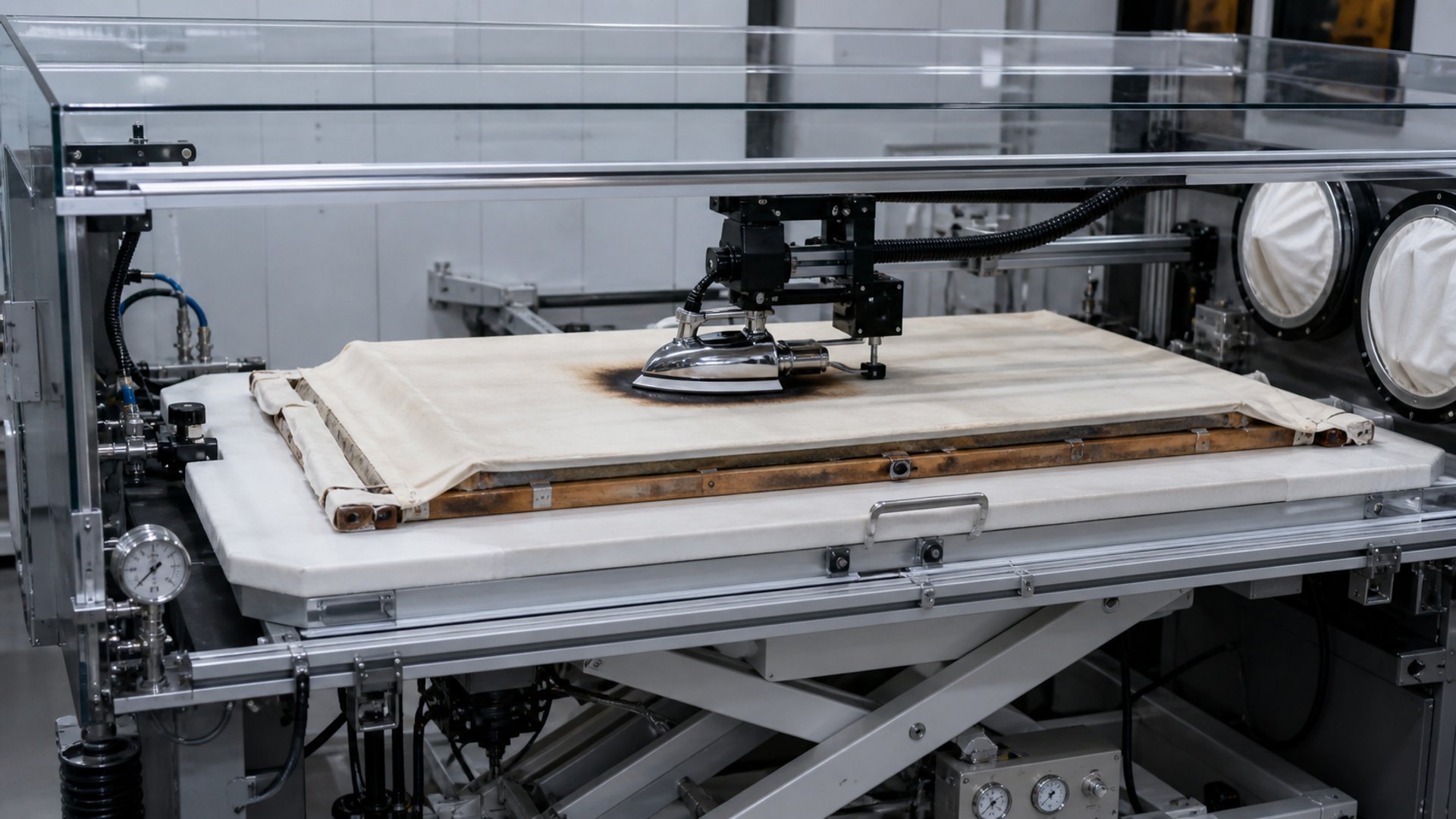
The Body Poured Uncertain, gen. Fakewhale Studio, Output YA884, 2026
The first generative systems displayed their debts through anatomy. Warped hands, floating teeth, melted objects, inconsistent shadows, and patterned pixels functioned as public traces of training rather than private defects inside a sealed machine. The image cohered at the level of atmosphere, genre, and pose, while its local fragments exposed the statistical pressure of borrowed appearances. (…)

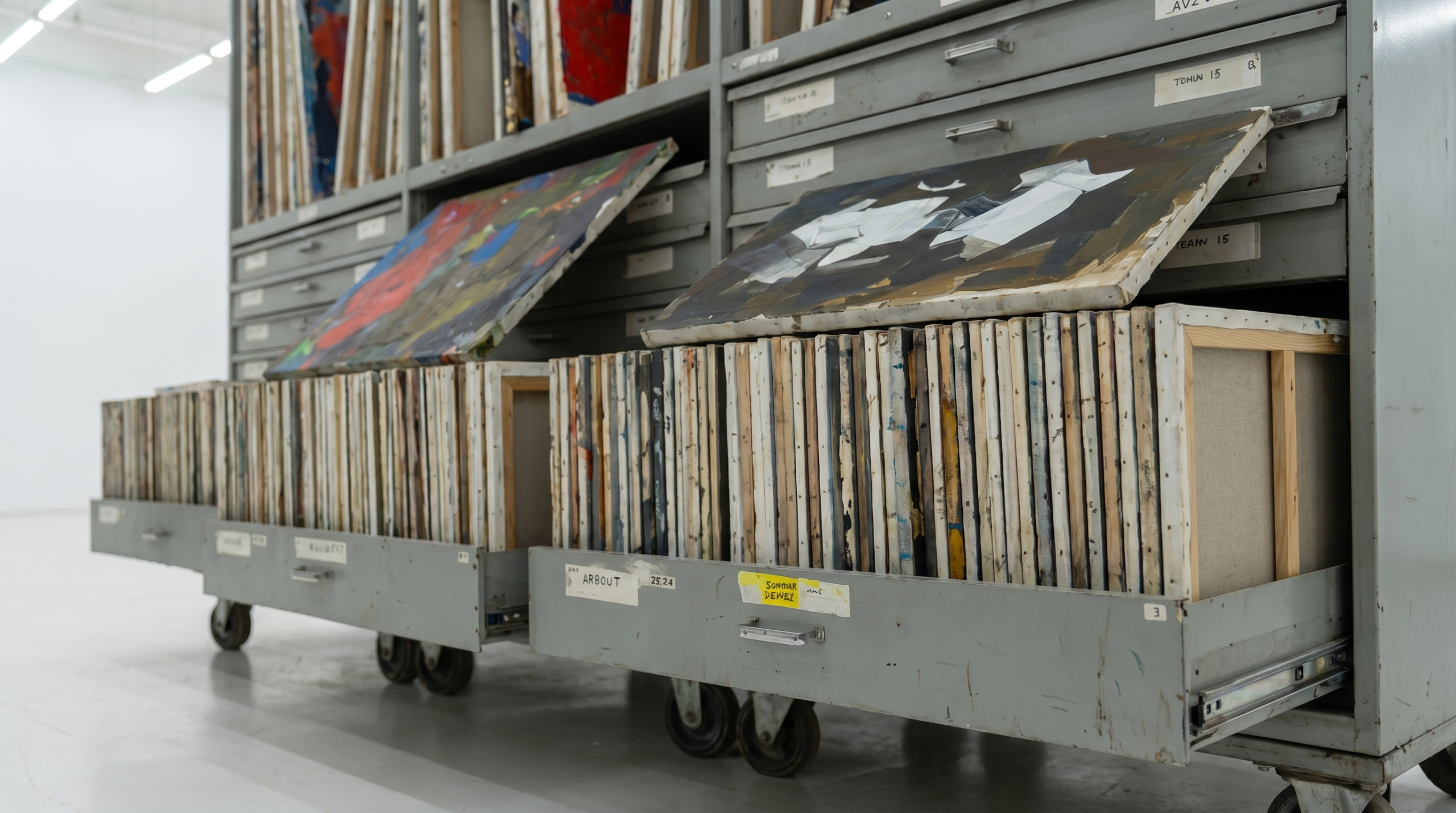
The Malformed Die Circulates, gen. Fakewhale Studio, Output YA885, 2026
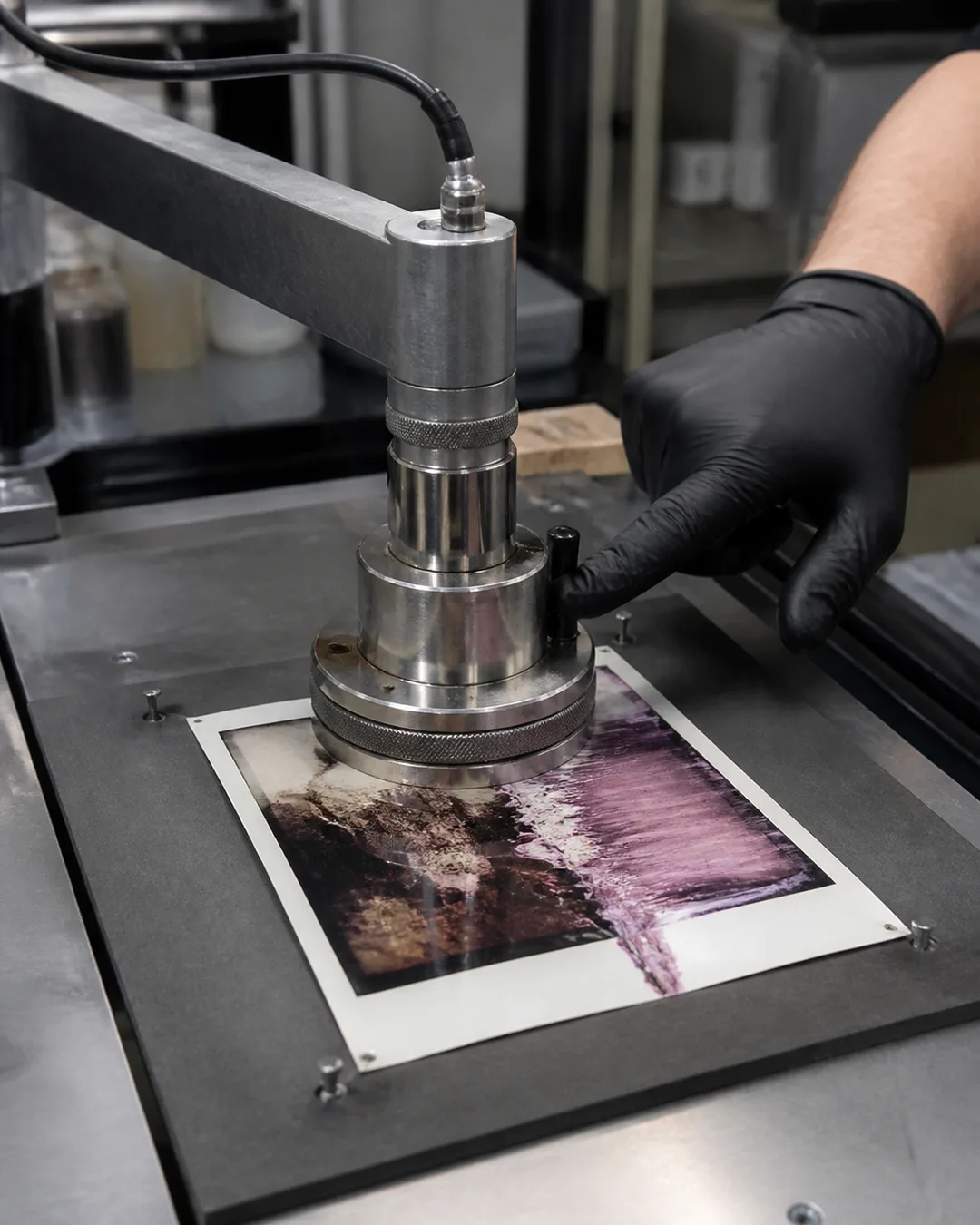
(…) Wharror’s gesture matters through its operational intimacy. The Polaroid promises distribution at the scale of the palm, a private print born from an industrial cartridge, and chemical trespass reroutes that promise through a counter-procedure performed on the object itself. The surface becomes a small laboratory where provenance appears as rupture, where the authority of the instant image gathers around marks that index handling, contamination, and the risk of irreversible change.
Platforms convert recognizable failure into a circulation asset. The early-AI look gained value because it could be identified rapidly in the feed, clipped into discourse, mocked, collected, sold, critiqued, and commissioned as a sign of compromised novelty. Ranking rewarded the image whose deformity made the machine visible at thumbnail scale. (…)
Explore the full Insight↓
Who Signs the Building Now: Predictive Design, Computed Matter, and the Migration of Authorship in Contemporary Architecture

The Solver Overtakes The Gesture, gen. Fakewhale Studio, Output YA870, 2026
Architecture now begins inside a custody dispute. The hand, the model, the rendering engine, the optimization platform, the client dashboard, the planning authority, and the lender each claim authorship through a different protocol. Signature migrates across files, approvals, parametric dependencies, training sets, and cost assumptions; the building arrives as a negotiated artifact of operations that precede any declared intention.
The render enters the process as an attention machine. Its first task concerns circulation through juries, client decks, investor calls, municipal hearings, and social platforms, where architecture acquires legitimacy through compression into a persuasive image. The file performs before the project knows its own tolerances, and its performance begins to organize the tolerances. (…)

Form As Residue Of Force, gen. Fakewhale Studio, Output YA871, 2026
(…) Optimization begins with a field of forces. Loads, supports, spans, material limits, fabrication methods, and performance targets enter the model as conditions, and form emerges as a negotiated residue of their interaction. The resulting object carries the appearance of design while its deepest logic belongs to distribution across stress.
The optimizer serves the structure of its inputs. Platforms gather precedents, cost databases, environmental metrics, code interpretations, user analytics, image corpora, and procurement assumptions into a space of possible answers. The model’s intelligence begins as the sediment of prior decisions. (…)
Explore the full Insight↓