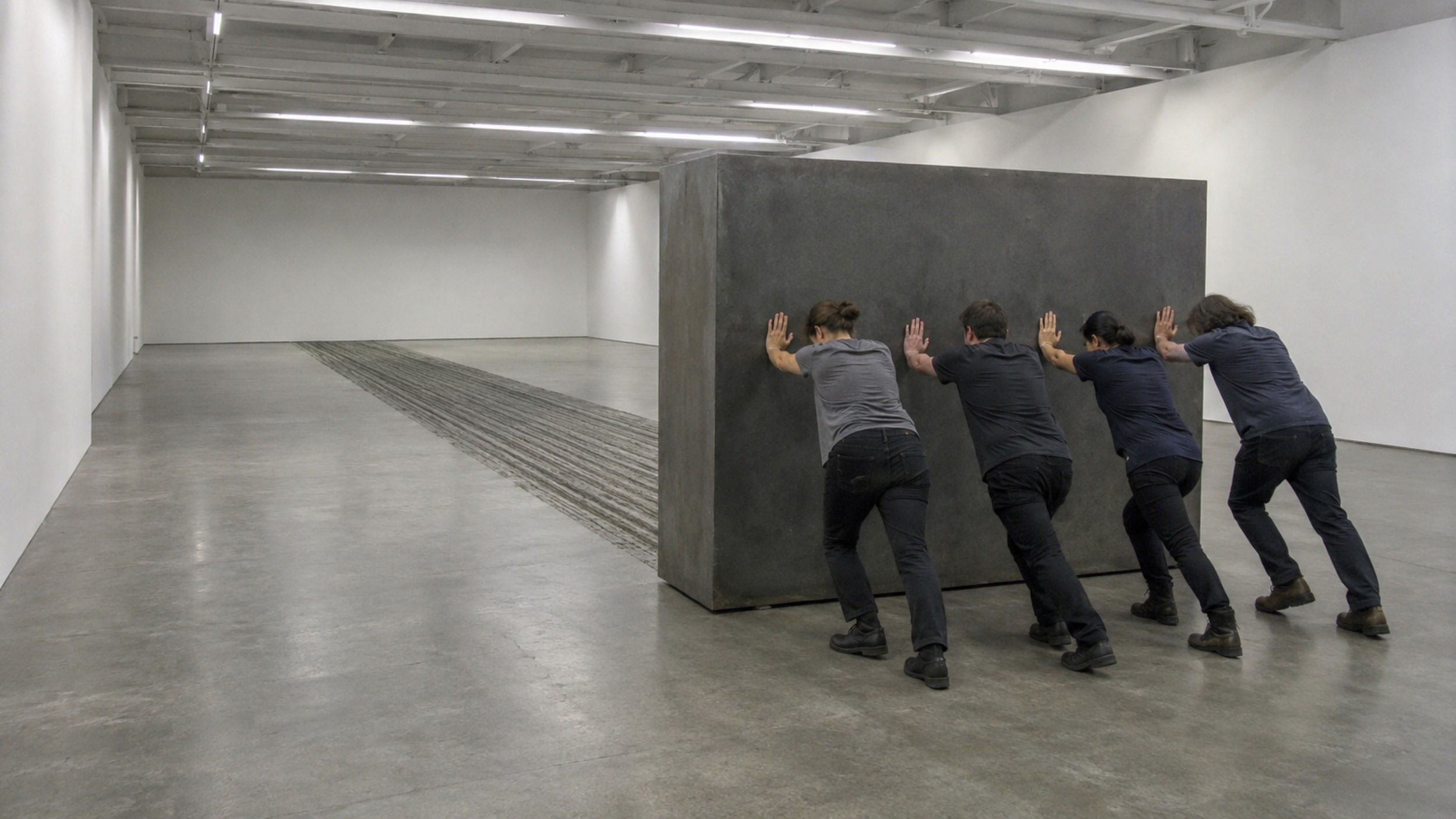
Custody Becomes Weight, gen. Fakewhale Studio, Output YA801, 2026
A visitor stops before a painting because the room has already composed the halt. The bench, the wall text, the security distance, the museum light, the soft choreography of bodies all operate as a protocol of attention, assigning duration to the encounter before feeling names itself as judgment. The work receives time through an architecture that has learned to appear ambient, and that ambient force lends the image its first credit.
Value begins as a delay engineered into visibility. The masterpiece occupies a financed interval where belief circulates ahead of proof, where provenance, custody, scholarship, market repetition, institutional exhibition, and platform distribution create the conditions under which endurance starts to resemble essence. The image persists because many systems advance it time, and that advance becomes culture’s most elegant form of debt. (…)
The Time of the Artwork: The Intermittent Life of Images

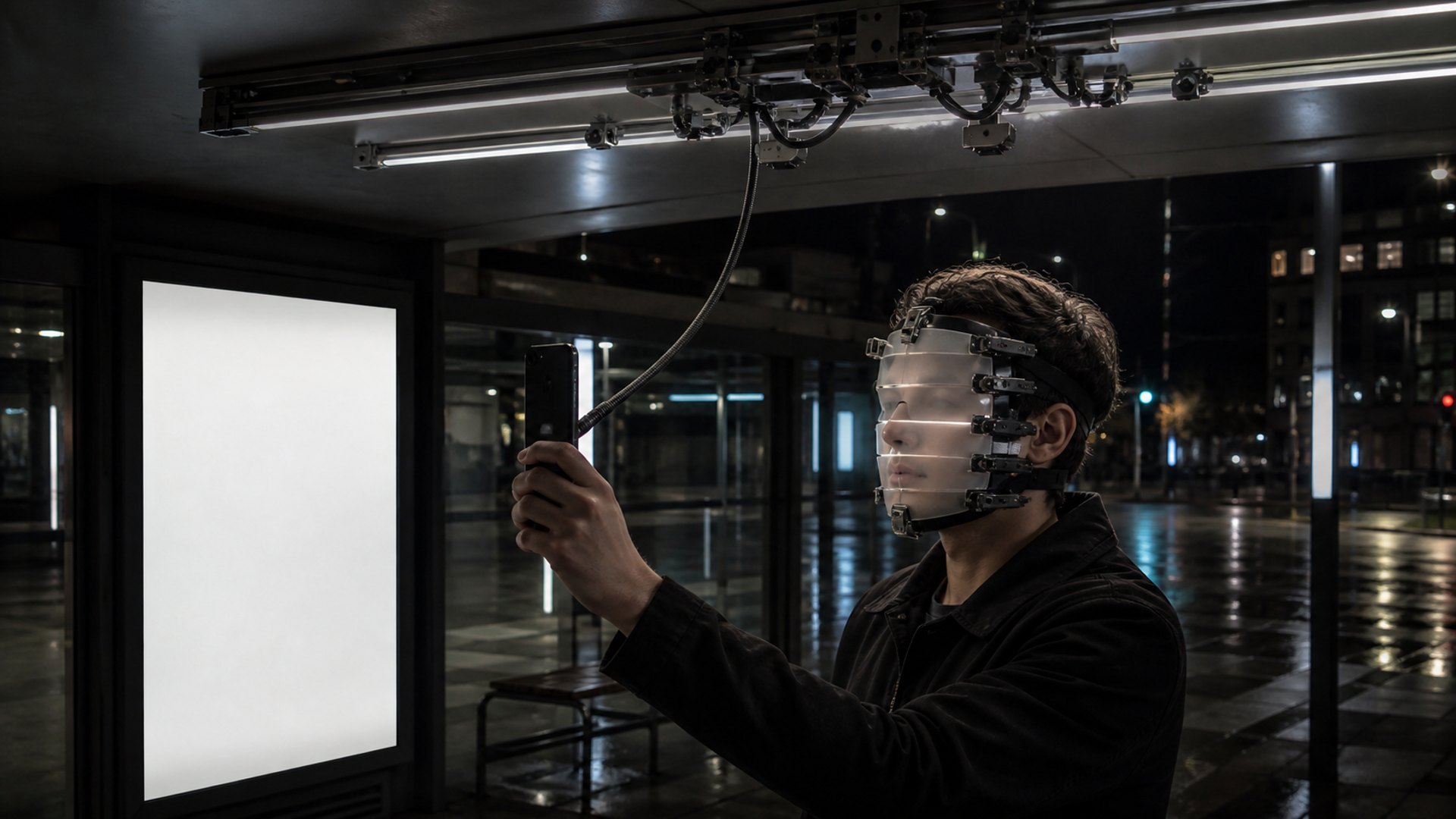
Gaze Routing Field, gen. Fakewhale Studio, Output YA802, 2026
Duration functions as a loan of collective faith. The work persists through repeated advances of attention, and every advance prepares the moment when borrowed time begins to look like intrinsic force. The masterpiece becomes the object that repays culture by making its own financing invisible. (…)

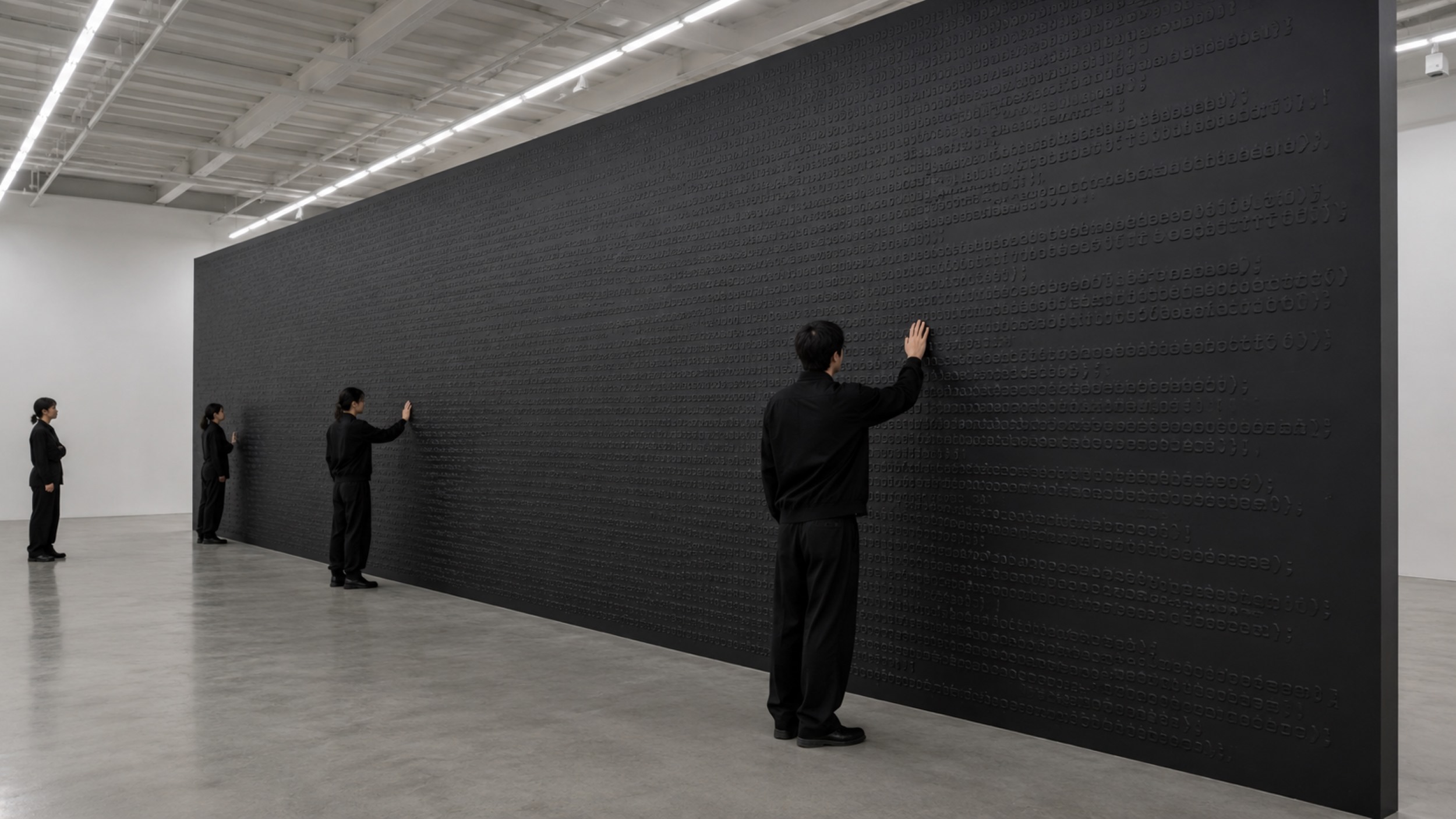
Latency Earns Surface, gen. Fakewhale Studio, Output YA804, 2026
(…) The gaze operates as a routing device. Each visitor, viewer, reader, collector, curator, student, and follower participates in an attention network that distributes weight across images, and the work’s visibility becomes a consequence of accumulated orientation. Looking supplies data to institutions long before any database records the act.
Rediscovery begins as a recalibration of ranking. A neglected artist enters visibility through archival access, estate management, curatorial interest, market scarcity, and critical pressure, and the delay itself becomes a source of value. Historical absence starts to function as reserve capital, waiting for the proper institutional instrument to activate it. (…)
Explore the full Article↓
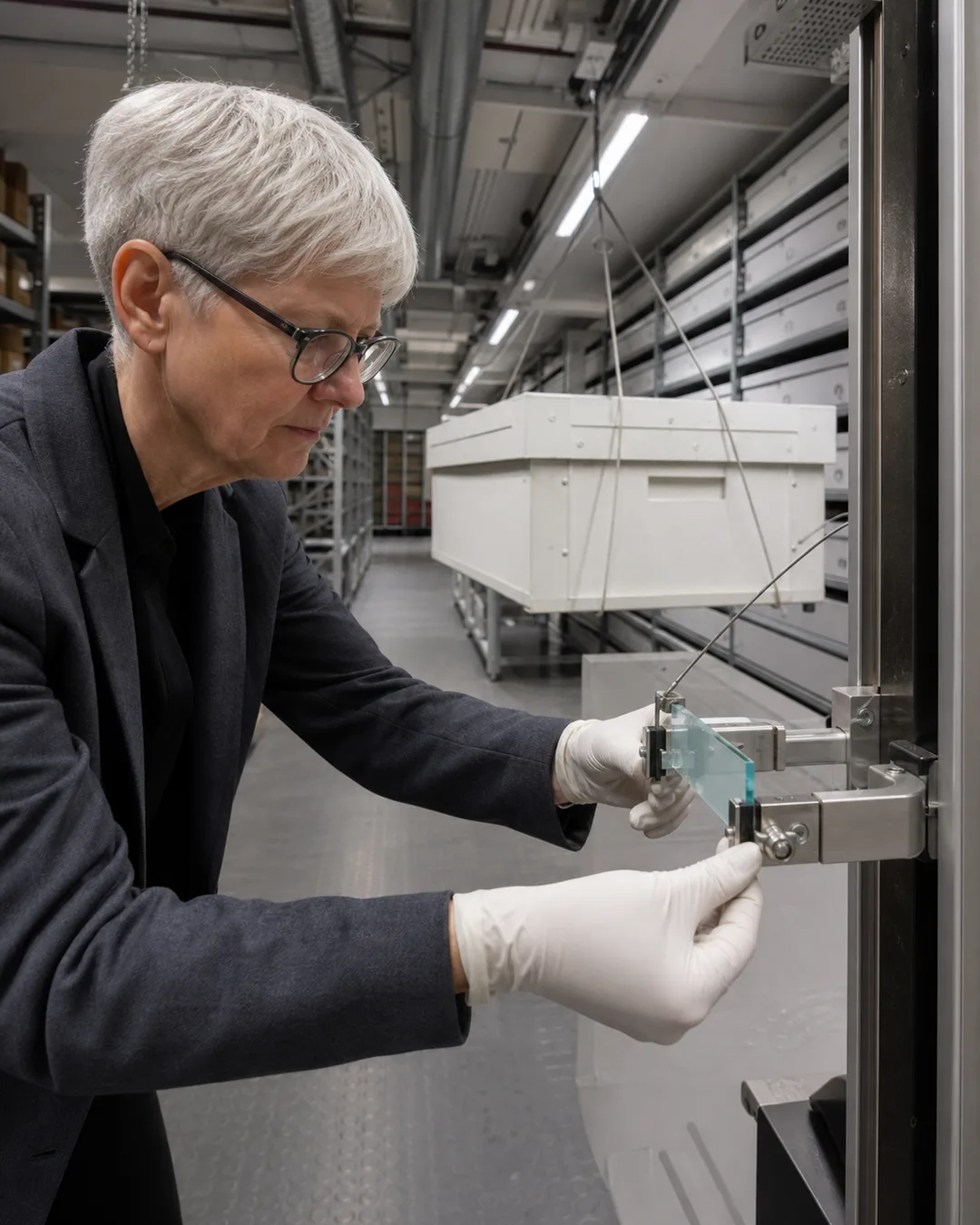
Christopher Nolan’s The Odyssey: IMAX Complexity as a Perceptual Device

Fakewhale Studio, Output XA467, 2026
On the deck of a ship, a camera weighing roughly three hundred pounds occupies the space it was meant merely to observe. Its housing suppresses the mechanism’s noise; the film magazine imposes a reload every two and a half to three minutes; a system of mirrors allows actors to maintain their eyelines around the apparatus. Christopher Nolan and Hoyte van Hoytema shot The Odyssey entirely with IMAX film cameras, a first for a feature-length production. Before becoming an image, the film enters the device ecology as a physical problem.
An IMAX camera does more than register a larger scene. Its mass redesigns the scene before recording begins, turning camera placement into an element of the device ecology. Nolan has described an apparatus that is difficult to move and has no zoom lens, compelling the director and cinematographer to bring the camera physically closer to the action. Composition emerges from actual spatial relations: the distance between bodies, lens height, terrain access, and the operator’s available movement. (…)

Fakewhale Studio, Output XA457, 2026
(…) Self-induced complexity begins when a maker chooses a constraint that could have been avoided. Within a production culture governed by optimization, the preferred tool reduces steps and preserves the widest possible parameter space. Procedural excess can nevertheless operate as a sorting mechanism. Each stage eliminates certain possibilities and gives others the force of necessity.
Production experience does not transfer automatically to an audience. Accumulated labor in the studio offers no guarantee of greater intensity in the gallery, just as camera weight disappears once the film reaches distribution protocols. A discontinuity separates making from viewing. The work must translate its process into sensible conditions, or complexity survives only as caption and biography. (…)
Explore the full Insight↓