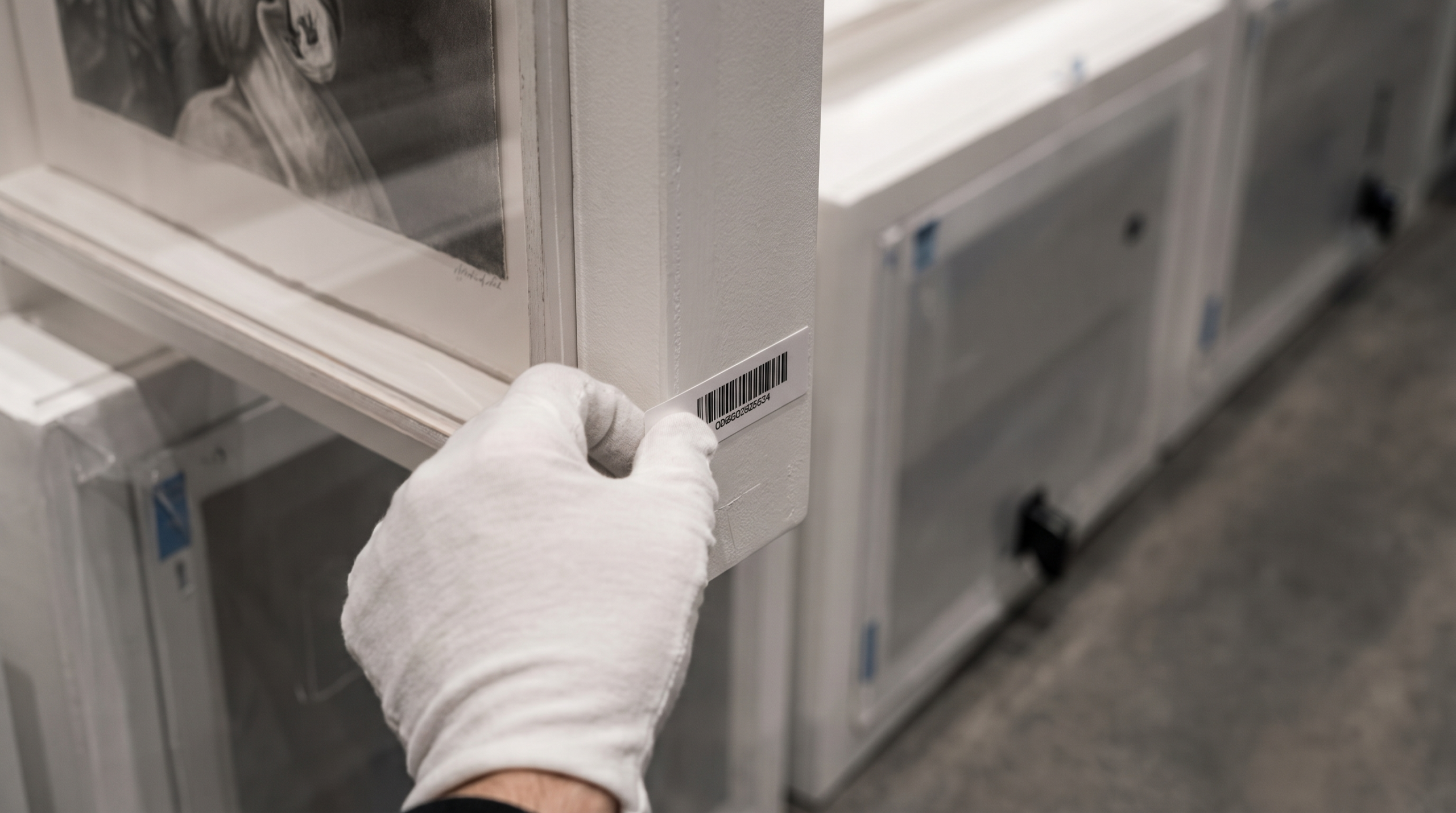
Fakewhale Studio, Output XA452, 2026
The rocket stays on the ground. Its symbol moves. Across a phone screen, four letters convert SpaceX into price variation, a line, an arrow, a pulse refreshed thousands of times each day. The company began trading on Nasdaq under the symbol SPCX on June 12, 2026; the completed offering delivered approximately $85.7 billion in gross proceeds to the company. The event appears financial, yet its deeper force belongs to feed logic and perception.
For years, SpaceX occupied the public imagination through explosions, vertical landings, satellite constellations, livestreams, and interplanetary promises. The listing adds another screen to this visual infrastructure. A project becomes purchasable in fragments, while the distance between an actual launch and an image of the future is compressed into an ordinary interface gesture. Pressing “buy” means entering a story before examining every layer of its technical substrate. (…)
SpaceX’s Stock Market Debut: When the Future Becomes Narrative Liquidity

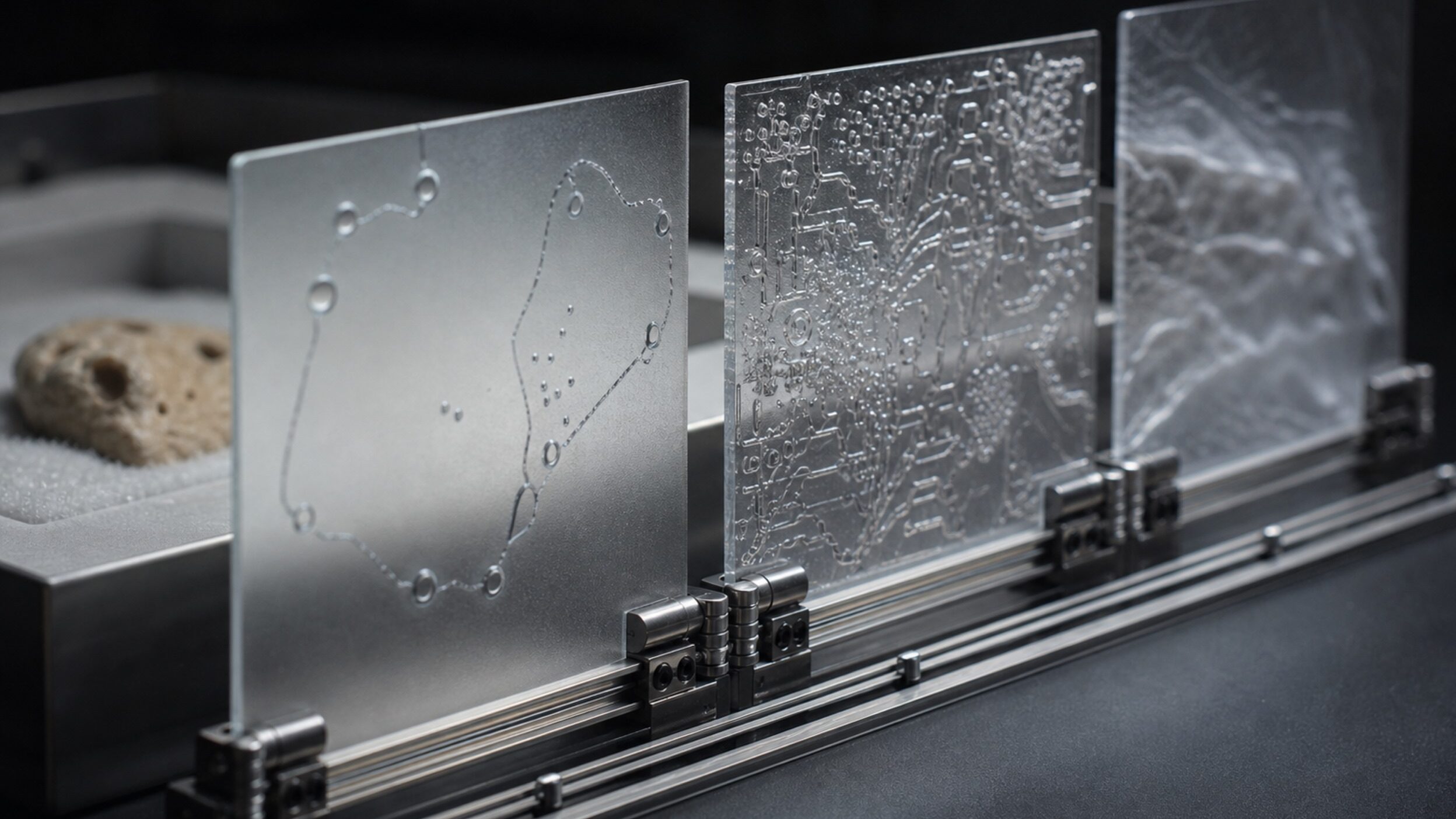
Fakewhale Studio, Output XA453, 2026
Once that story enters public markets, perception acquires productive force. Raised capital can fund data centers, satellites, research, acquisitions, and operating capacity; the image helps build the substance it originally claimed to represent. Narrative anticipates the real and then uses acquired resources to reduce the distance. The paradox becomes infrastructure through a corporate feedback loop. (…)

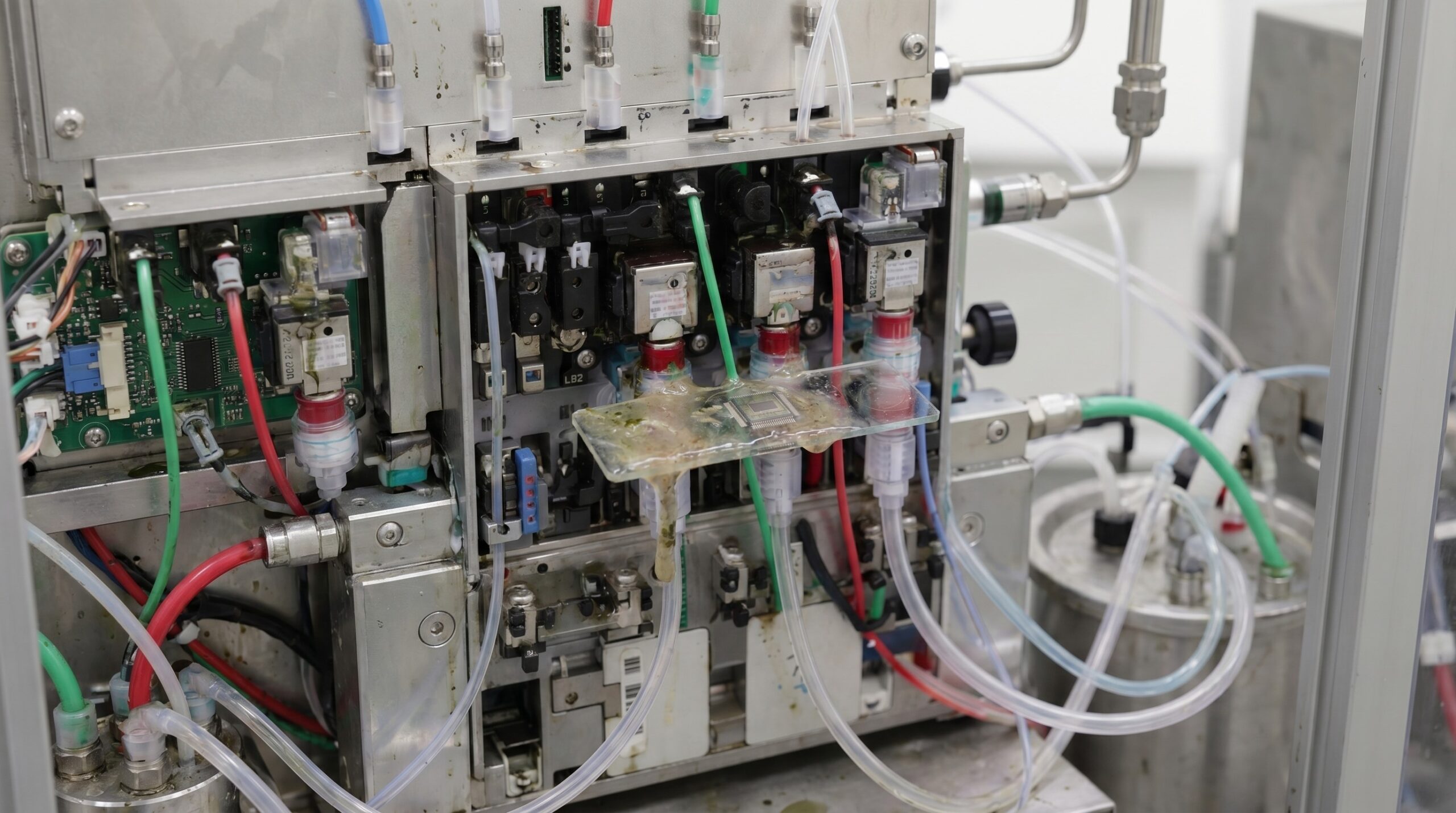
Fakewhale Studio, Output XA457, 2026
(…) A project’s image holds a structural advantage over its substance. It can appear simultaneous, continuous, and complete through visual compression. Real infrastructure advances through delays, failures, regulatory dependencies, compromises, and partial results. The image occupies one frame; the system inhabits uneven duration. Perception rewards the version that can present itself as totality.
The warning lies beyond the listing itself. It sounds when the future is presented with the density of the present while risks and dependencies move toward the edge of the frame. A promise can mobilize resources; a promise insulated from verification primarily mobilizes perceptual obedience. The distinction appears in the story’s willingness to be falsified by material conditions. (…)
Explore the full Insight↓
The National Gallery of Art in Washington Uses AI to Automate Artwork Descriptions

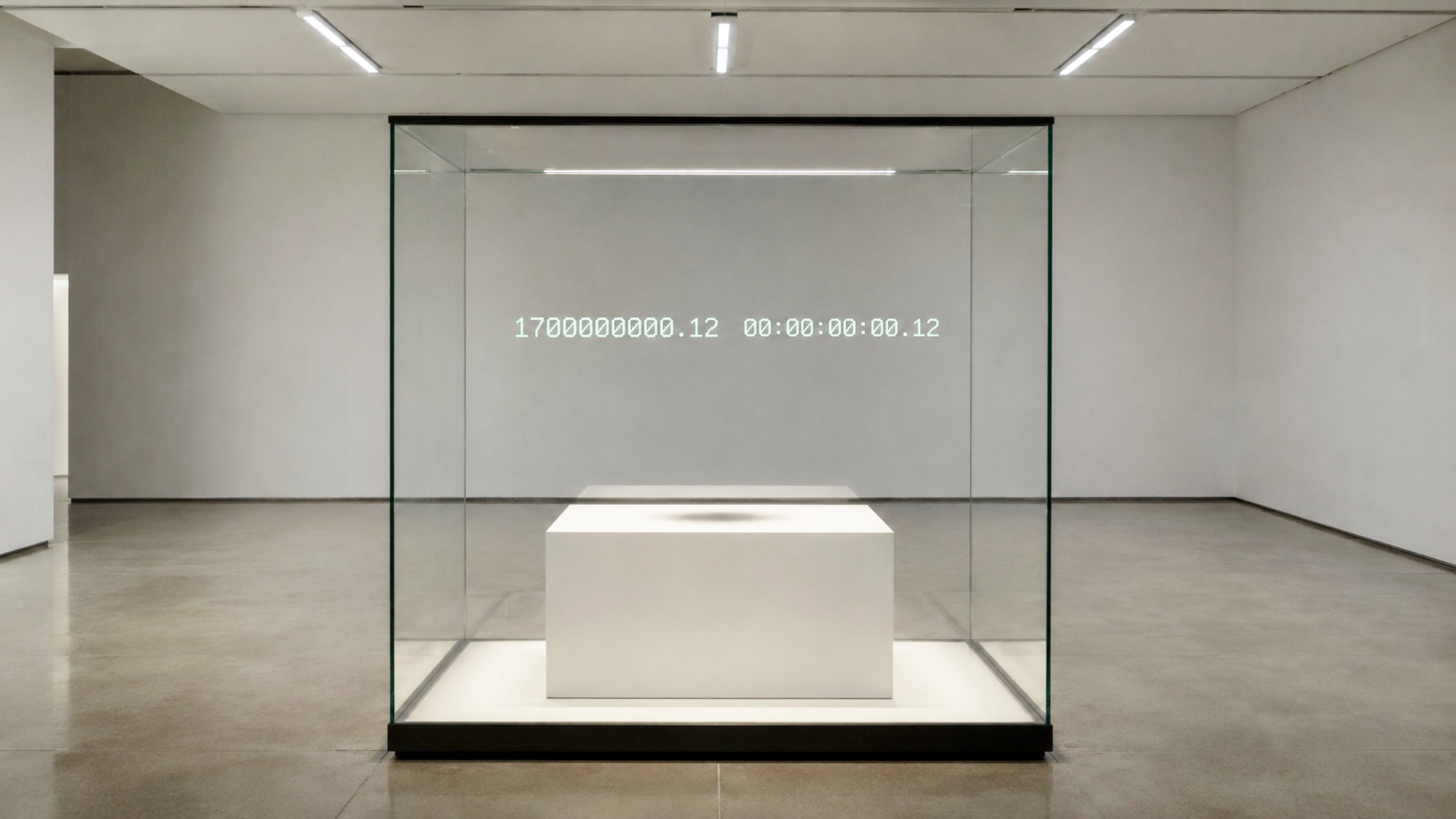
Fakewhale Studio, Output XA447, 2026
In 2026, the National Gallery of Art in Washington extended automatically generated visual descriptions to more than 140,000 works in its digital collection. Scale immediately changes the accessibility problem: a task requiring years of manual writing can reach almost the entire online museum through one coordinated operation.
Description therefore builds an order of access. The central AI problem arises less from interpretation itself, since people also interpret, than from difficulty locating where interpretation began and which data directed it. An automatic label reveals origin but still leaves observation, analogy, and hypothesis merged. (…)

Fakewhale Studio, Output XA448, 2026
(…) This difference creates an epistemic asymmetry. Automated error does more than convey incorrect information; it can become the artwork as experienced. A visitor might discuss a composition, remember it, and connect it to other images through an element that never existed, while lacking an independent channel for verification.
The museum should preserve plurality. For complex works, one description risks becoming the image’s official verbal equivalent. Alternatives written by artists, educators, and blind or low-vision contributors could demonstrate that different perspectives can coexist with factual accuracy. (…)
Explore the full Insight↓