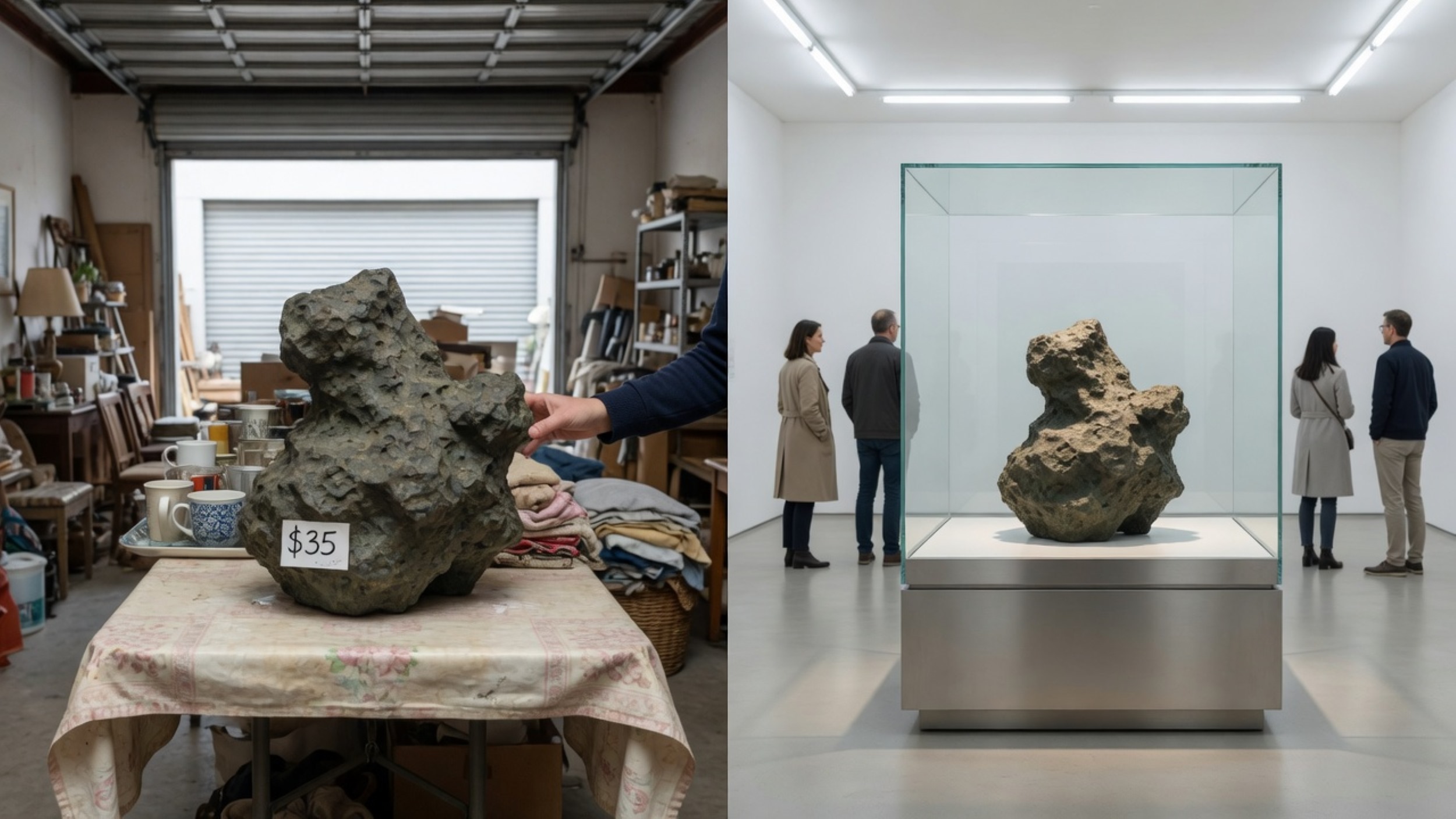
Fakewhale Studio, Output XA451, 2026
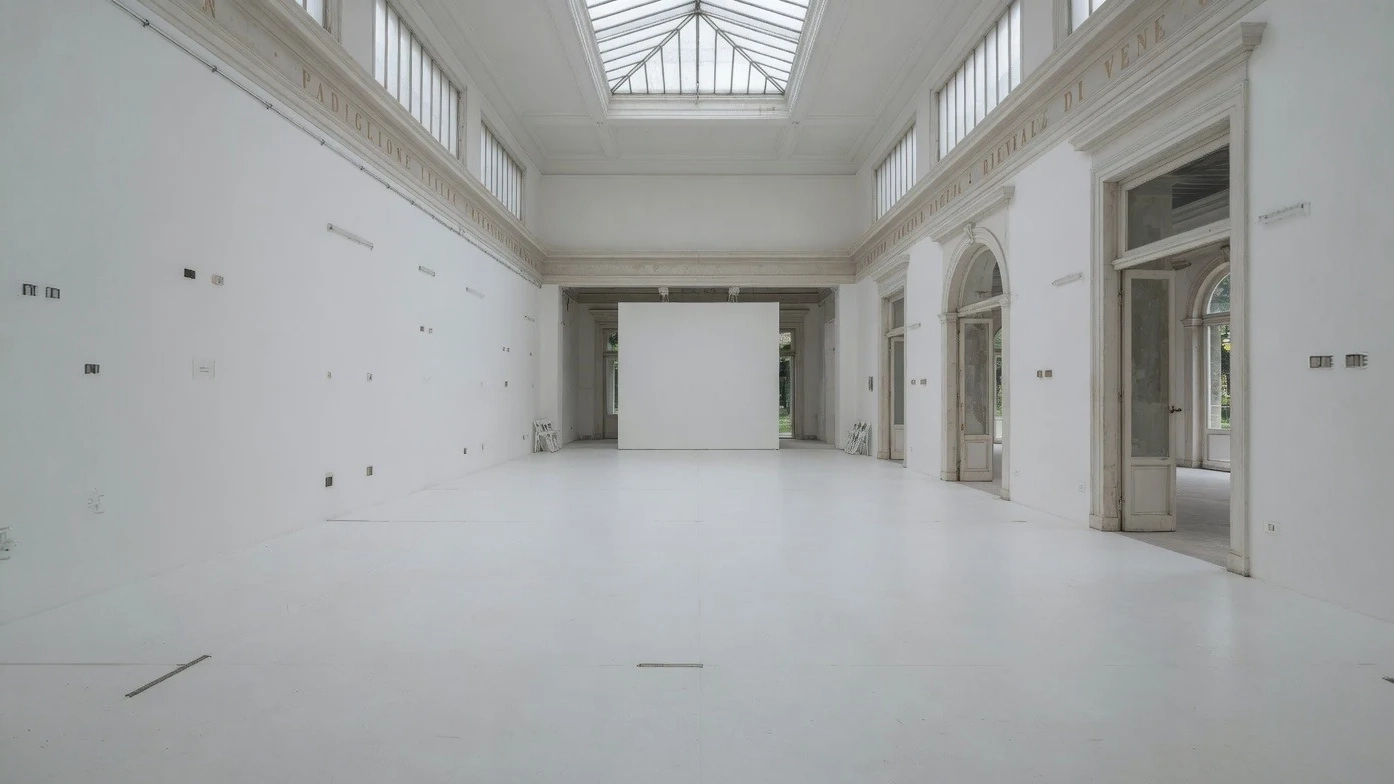
Years after visiting the 2013 Venice Biennale, a group of friends tried to reconstruct one of the works they had seen. What began as an ordinary conversation soon turned into a game of telephone. One remembered a structure occupying the centre of a dark room. Another insisted that it had been installed against a white wall. Someone recalled a mechanical sound; someone else could not remember any sound at all. The dimensions changed with each account. Elements migrated from one work to another, and details that initially seemed certain became less convincing each time they were repeated.
None of them was lying. Each was assembling the experience from a different set of surviving fragments: a material, a colour, the atmosphere of a room, the exhaustion of the day, the presence of the crowd, a conversation that had taken place nearby. They were not retrieving four incomplete copies of the same event. They were producing four different versions of it. (…)
The Exhibition We Remember Is Not the One We Saw: Photography, Implanted Memory, and the Afterlife of Art

Fakewhale Studio, Output XA452, 2026
A large exhibition places the visitor inside an economy of excess. There are more works than can be examined carefully, more information than can be retained, and more spatial relationships than can be reconstructed once the visit is over. Even in a relatively small gallery, attention is selective. In a biennial, art fair or museum survey, selection becomes unavoidable. (…)

Fakewhale Studio, Output XA454, 2026
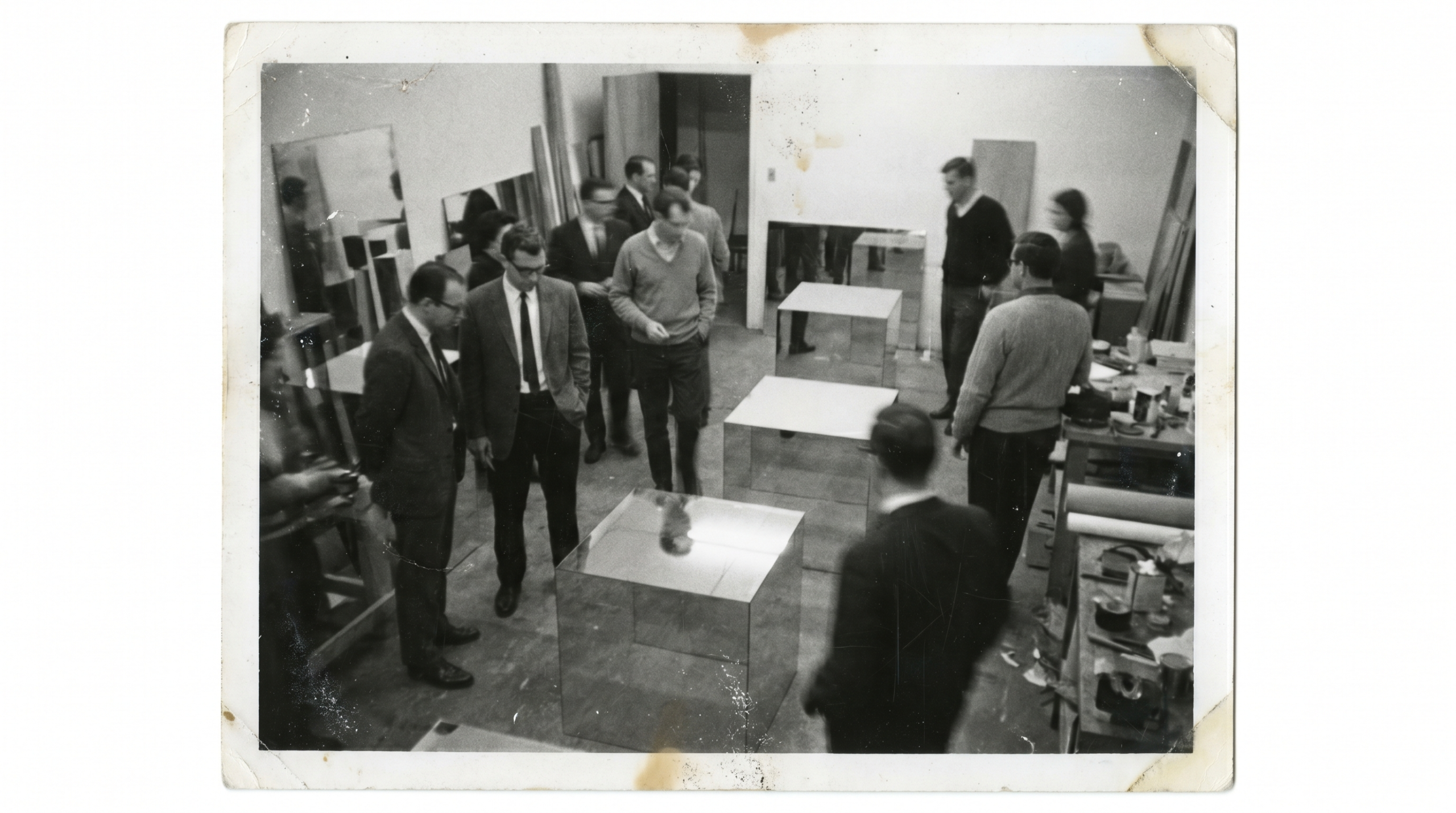
(…) A photograph may appear automatic, but it is structured by decisions. The person holding the camera chooses a position, distance, height, focal length and moment of exposure. They decide whether to include the surrounding architecture, wait for the room to empty, photograph the whole installation or isolate a detail. Even a hurried phone picture contains a theory of what matters.
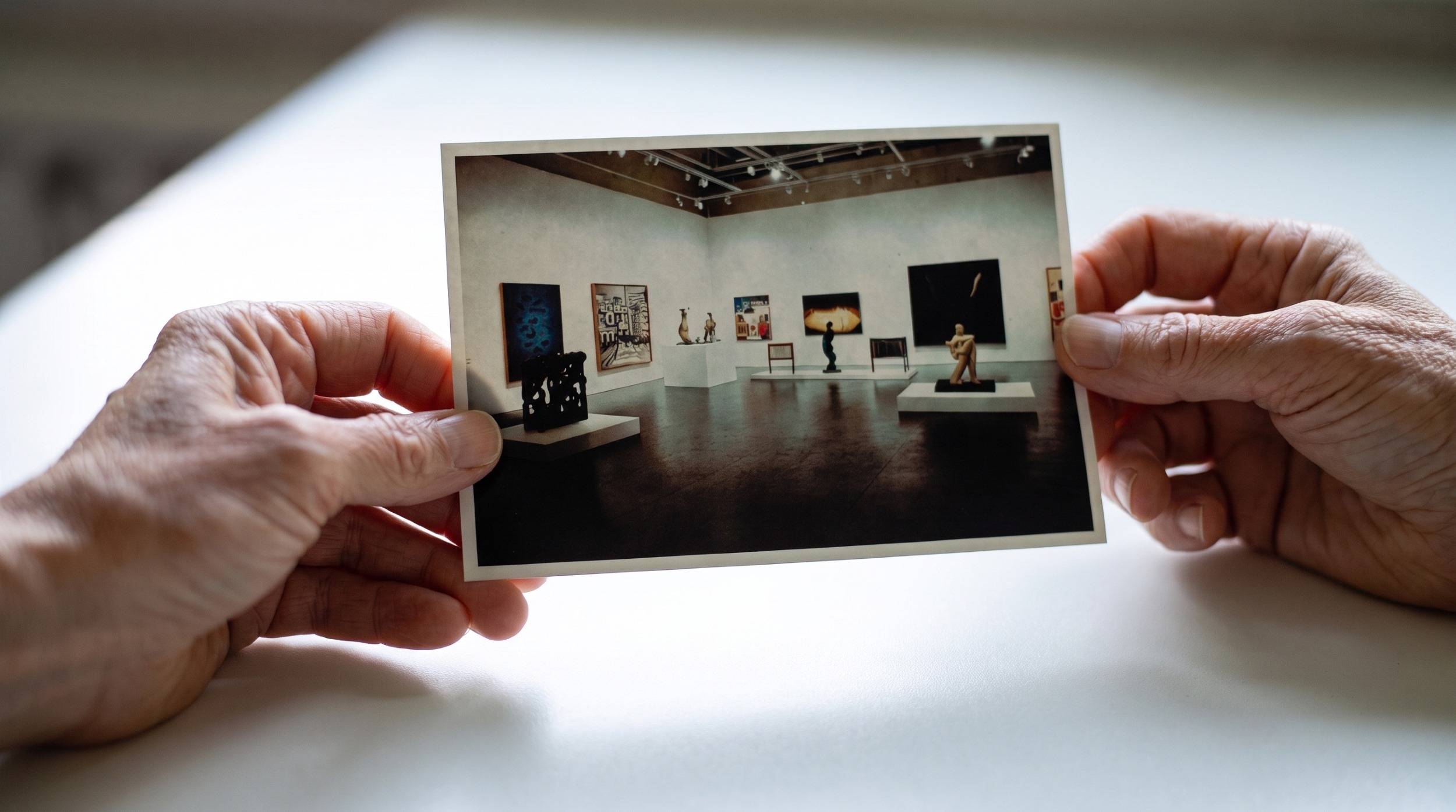
Over time, the relationship changes. The photograph can be revisited repeatedly. It remains in the phone archive, appears in cloud-generated reminders, is sent to friends and circulates through social media. The original event cannot be consulted in the same way. It survives only through unstable traces. (…)
Explore the full Insight↓
Would You Still Make Art If Nobody Ever Told You It Was Good?

Fakewhale Studio, Output XA455, 2026
Imagine completing a work and showing it to the world. Nothing happens. There is no criticism, no rejection, no invitation, no sale and no message from someone who understood what you were trying to do. There are no hostile comments, but there are no compliments either. The work enters a silence so complete that you cannot tell whether it has been ignored, misunderstood or simply never seen.
This idea is attractive because it protects artistic freedom from the instability of public judgment. It is also psychologically and materially incomplete. Human beings do not stop being social when they enter a studio. The desire to be seen, understood or answered does not automatically corrupt artistic intention. Nor is recognition merely a flattering accessory added after the work is finished. It can provide information, confidence, belonging, resources and evidence that continued effort is possible. (…)

Fakewhale Studio, Output XA456, 2026
(…) The resulting danger is not that artists consciously decide to become superficial. Adaptation is often gradual. A particular format performs well, so it is repeated. Complex transitions are simplified because recognisable images circulate more efficiently. The work begins to internalise the conditions of its distribution.
The provocative question in the title therefore has no heroic answer. Some artists would continue if nobody ever told them the work was good. Some would continue while suffering. Some would change their practice, find another community or stop. None of these outcomes offers a simple measurement of artistic authenticity. (…)
Explore the full Insight↓