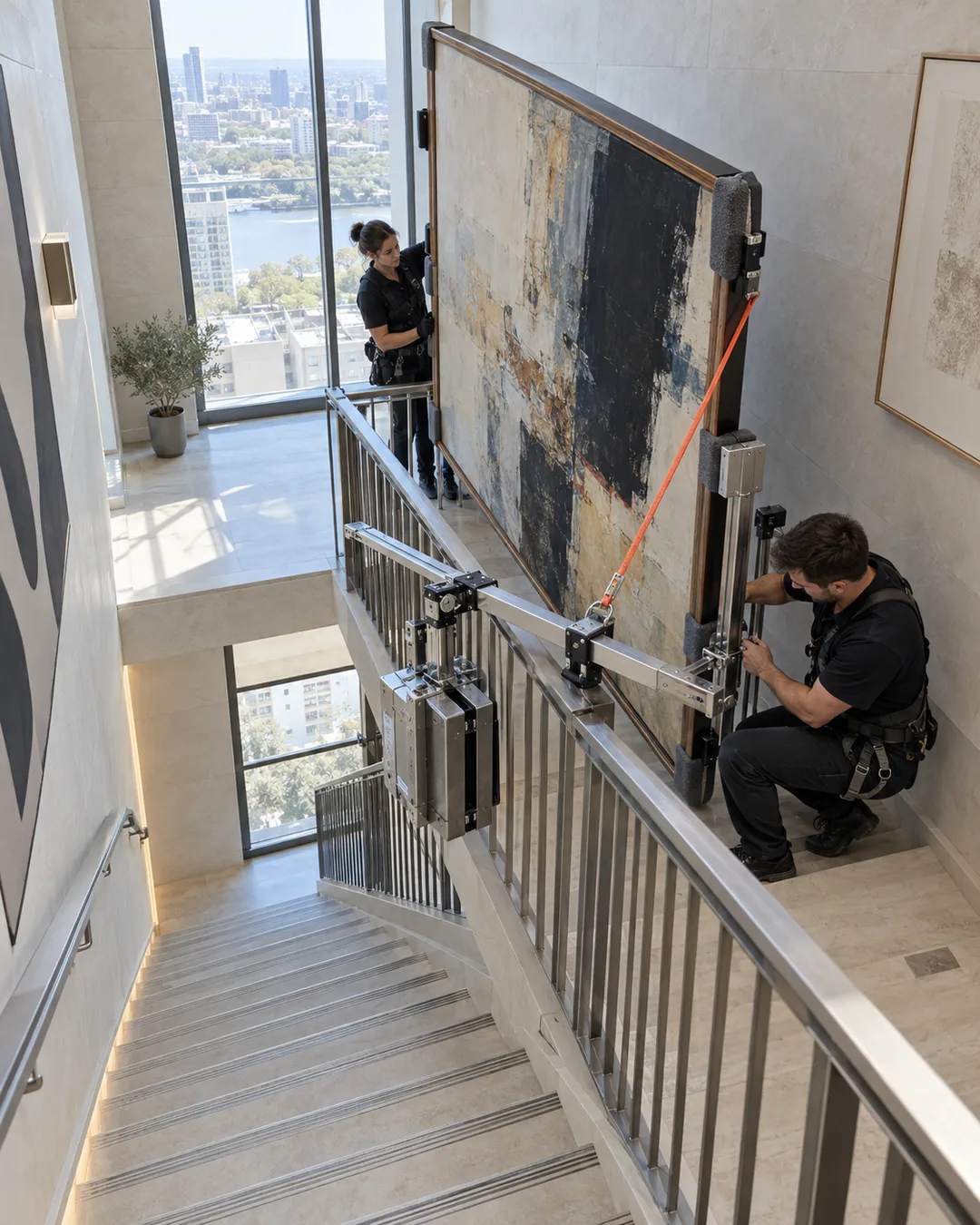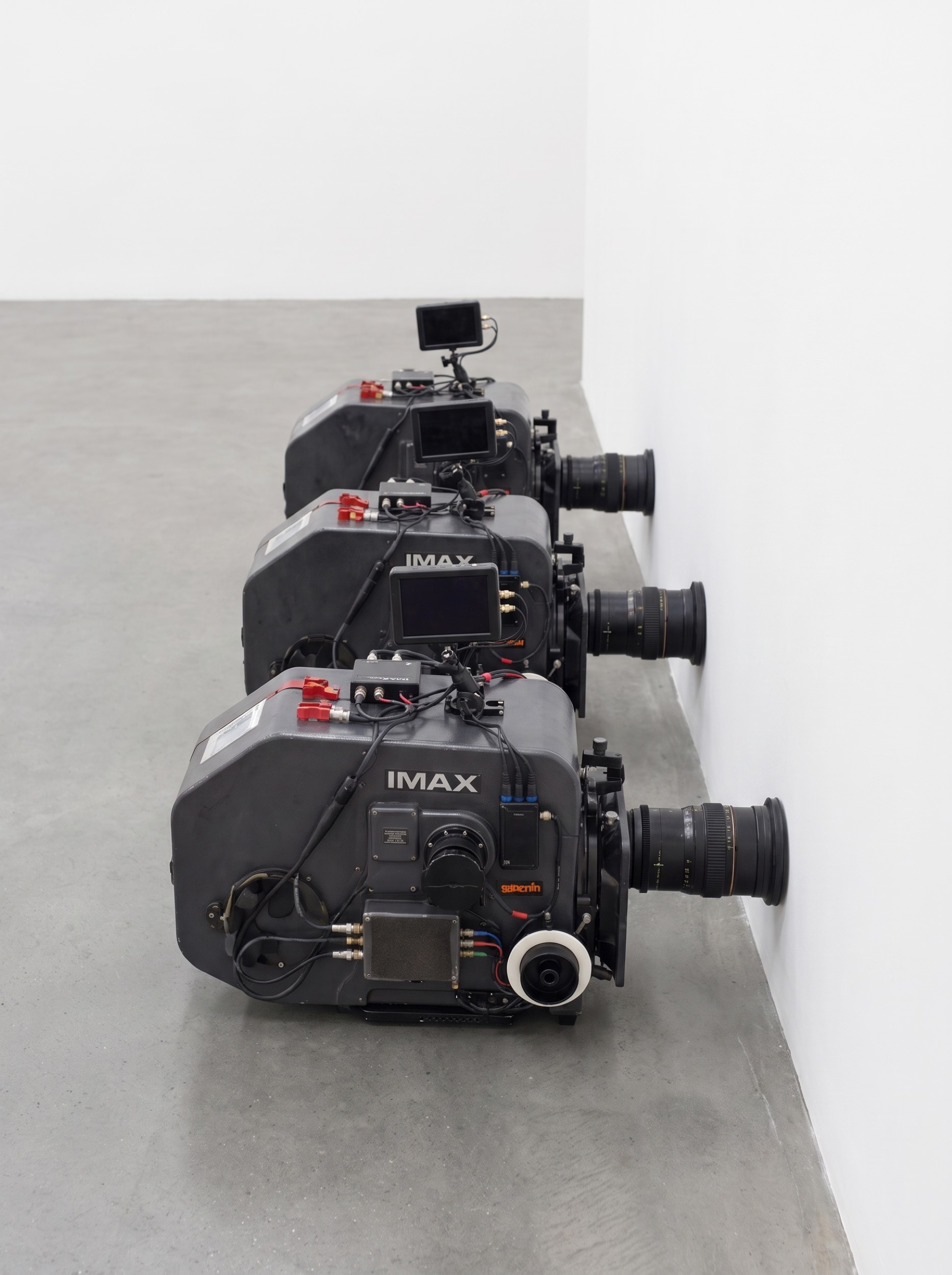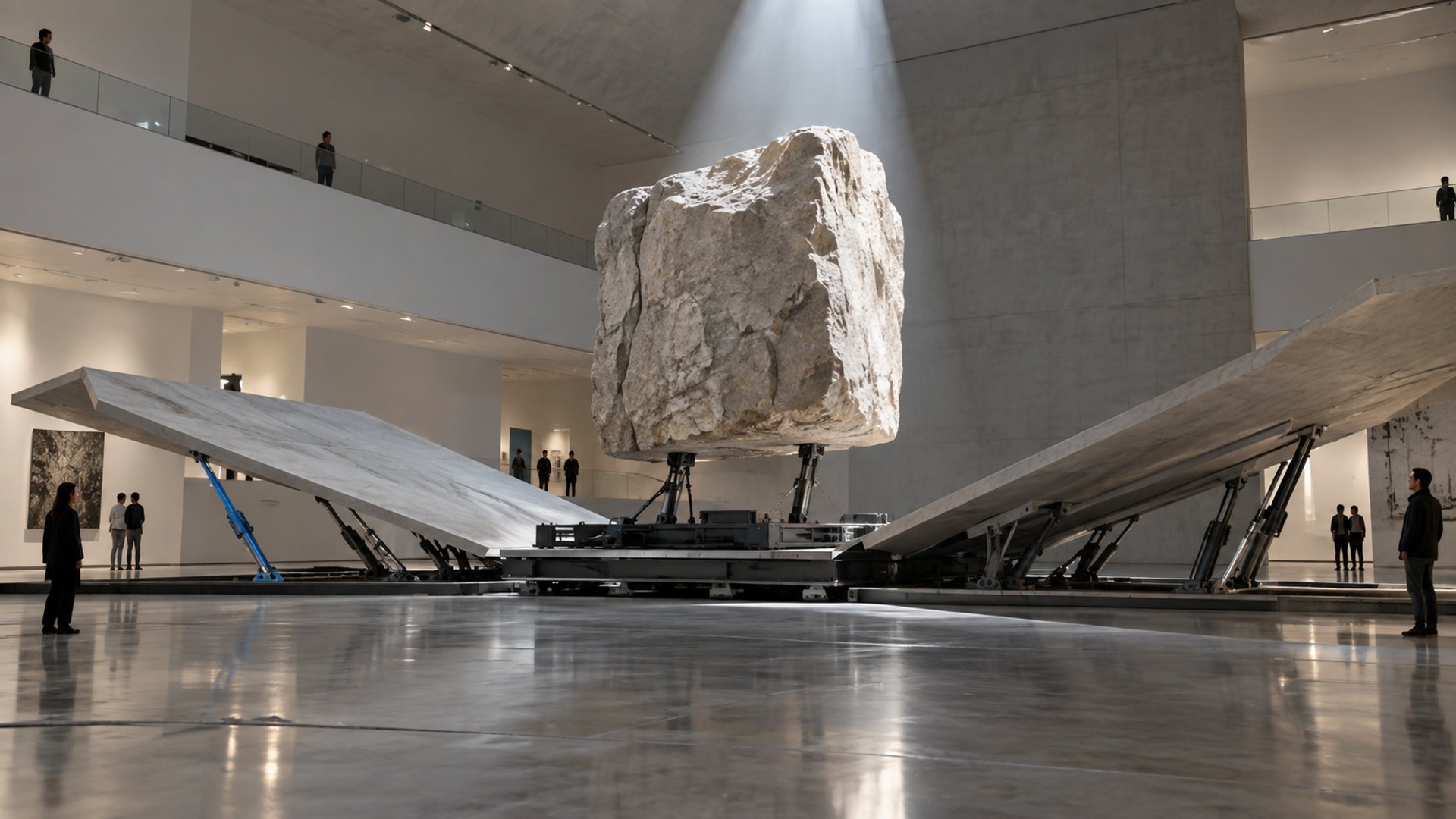
AI-generated image, Fakewhale Studio, Output YA1266, 2026
A work enters a room carrying more than its material. Names, places, earlier encounters, and the people who have chosen to preserve it shape the attention it receives. Value takes form through these relationships, and an object can acquire a different presence while its surface remains exactly the same.
The movement from attention to ownership adds another layer. Interest needs somewhere to go: clear information, a credible price, an opportunity to see the work, and an intelligible next step. The practical conditions of acquisition belong to the encounter as much as the story that first made the work desirable.
This issue follows what objects carry through those passages. Aura gathers around an artwork, confidence develops around a purchase, a retired machine becomes a commemorative fragment, and a difficult camera leaves its pressure inside an image. The object arrives with a history of decisions that continues to shape how we see it.
*Editorial introduction — Fakewhale Newsletter Issue #88.
Traders of Aura: What We Buy Beyond the Object. Alessandro Dal Lago and Serena Giordano on How Value Is Created in Art

Crossing into Art, AI-generated, Fakewhale Studio, Output YA1267, 2026
What makes an artwork feel significant before we can explain why? In Mercanti d’aura, Alessandro Dal Lago and Serena Giordano approach that question through the activity surrounding the work: selection, exhibition, interpretation, authentication, and collecting. Their account follows how a field of decisions gives an object a cultural position.
A signature, an archive, or an institution can change the experience of an otherwise unchanged surface. Once an object is connected to a credible history, damage may become evidence and wear may acquire meaning. What we know directs what we notice, and the encounter begins before we enter the room.
The gallery participates in that process through space, light, distance, and the expectation of attention. A work presented alone asks to be approached differently from the same object among stored materials. Context gives the viewer time and orientation, helping establish the conditions in which a judgment can take hold. (…)

The Archive in Motion, AI-generated, Fakewhale Studio, Output YA1269, 2026
Recognition accumulates through other people’s commitments. An acquisition can encourage an exhibition; an exhibition can make further attention possible. Provenance adds a different kind of continuity, connecting the present object to particular hands, places, and events. An identical-looking substitute cannot occupy that same history.
Price translates some of these relationships into a number, without exhausting their meaning. Scarcity becomes consequential when people care about what is scarce, and reputation can reinforce demand. The article asks us to look at the network that makes an artwork appear irreplaceable—and at everything a buyer acquires alongside the material object. (…)
Explore the full Insight↓
The Psychology of Selling Art: 10 Strategies That Move Buyers From Interest to Action
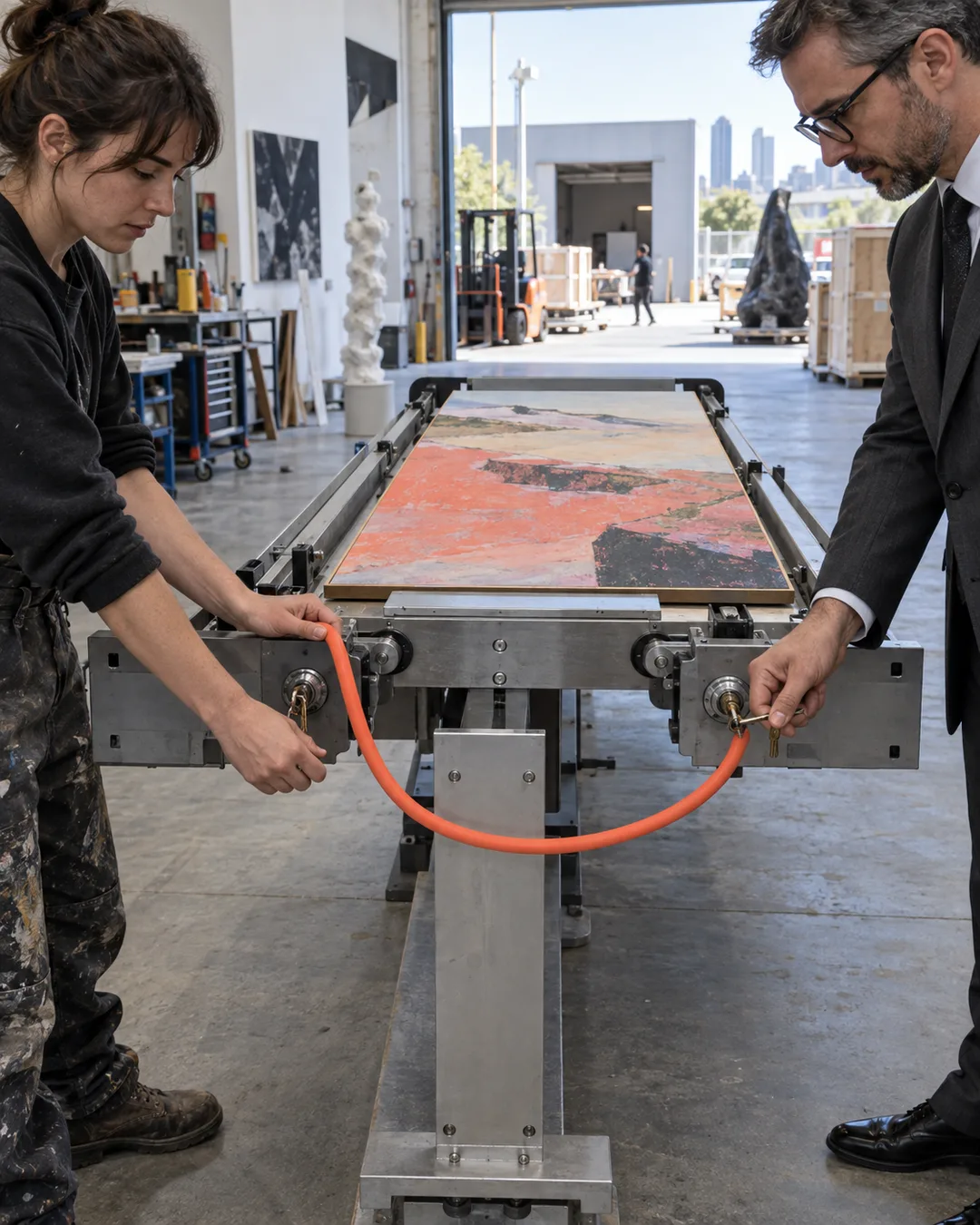
Two Keys, One Route, AI-generated, Fakewhale Studio, Output YA1280, 2026
A work may be admired, discussed, and repeatedly viewed without finding a buyer. The gap between interest and purchase calls for a precise diagnosis: where does the conversation stop? The article maps ten strategies around that sequence, distinguishing visibility, desire, confidence, and commitment rather than treating an unsold work as a verdict on quality.
Preparation allows a serious inquiry to develop. Accurate images, dimensions, condition, provenance, availability, and a coherent price give the buyer a basis for comparison. When these details are scattered or arrive late, uncertainty grows around the transaction. Clear information helps the work remain central as the decision becomes more concrete. (…)
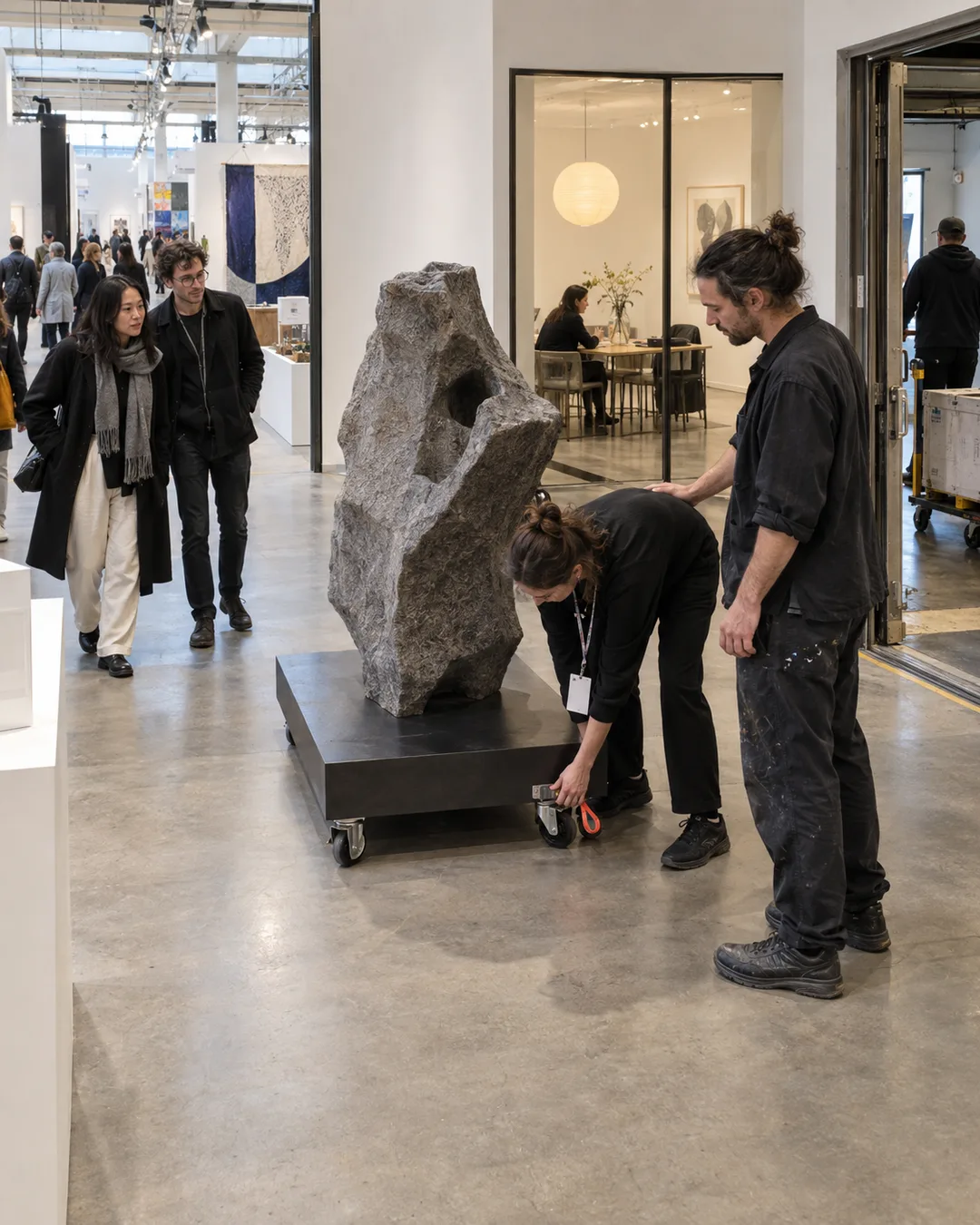
A Focused Introduction, AI-generated, Fakewhale Studio, Output YA1283, 2026
Relevance matters as much as reach. A considered introduction to someone whose interests connect with the work may create more opportunity than broad exposure. Genuine limits on availability can clarify the consequence of waiting, while an objection can reveal a practical issue, an unresolved doubt, or a mismatch that further pressure will not resolve.
The final stages require the same coherence: deliberate negotiation, clear payment terms, an understood delivery route, and a specific next action. A concession can make acquisition easier without turning every hesitation into a price reduction. Across the ten strategies, the recurring task is to preserve confidence while removing the avoidable obstacles between wanting a work and owning it. (…)
Explore the full Insight↓