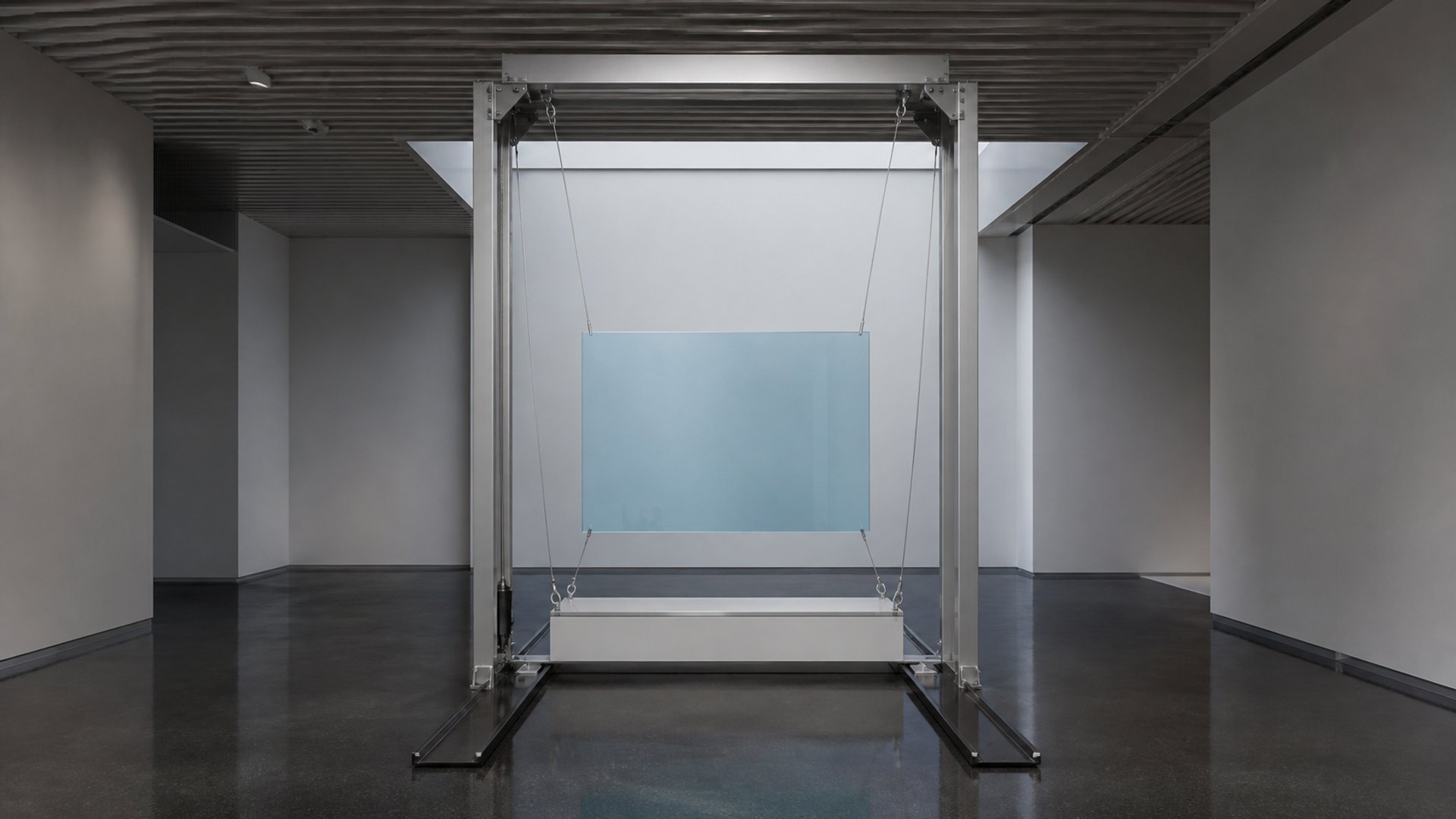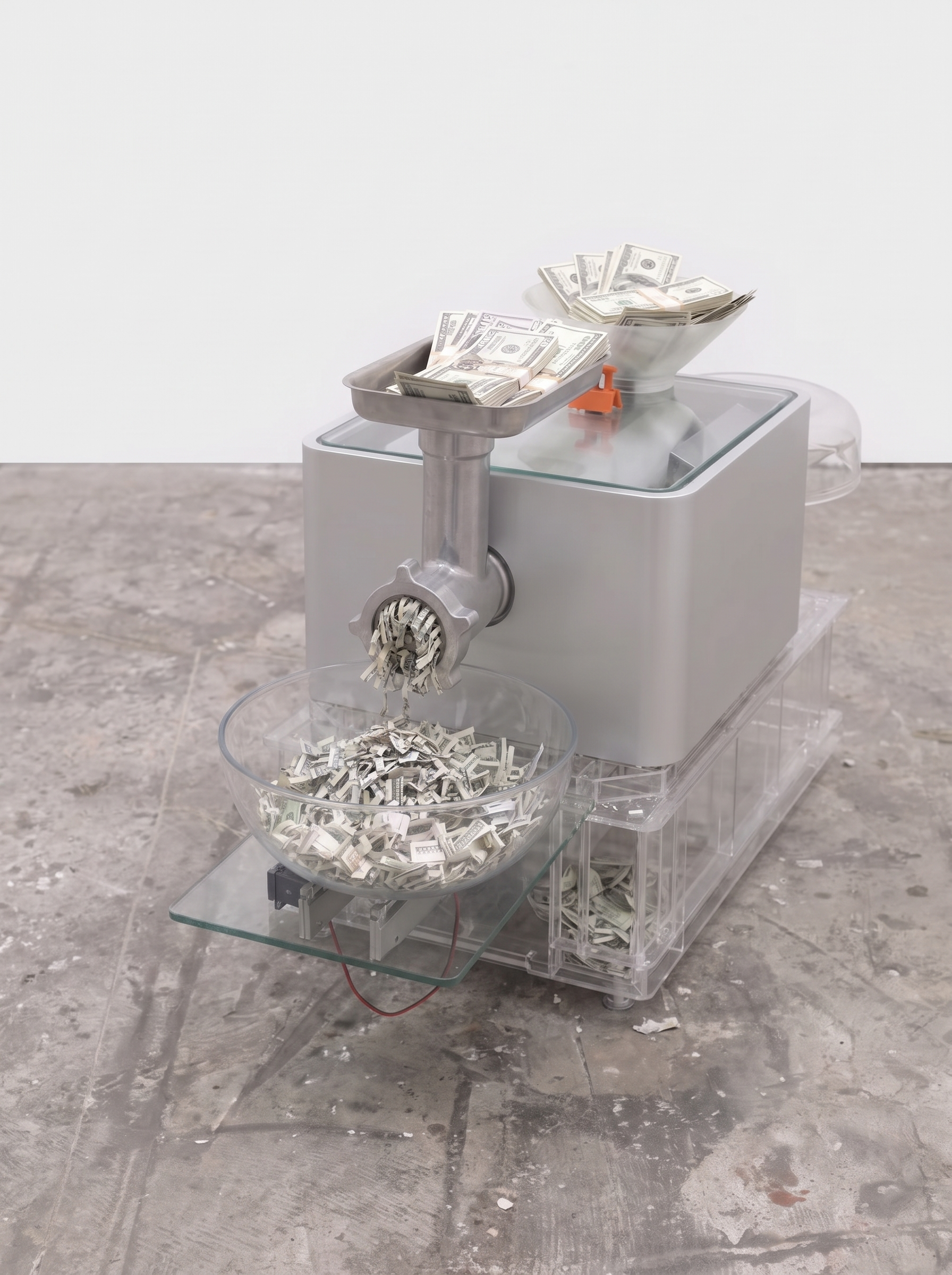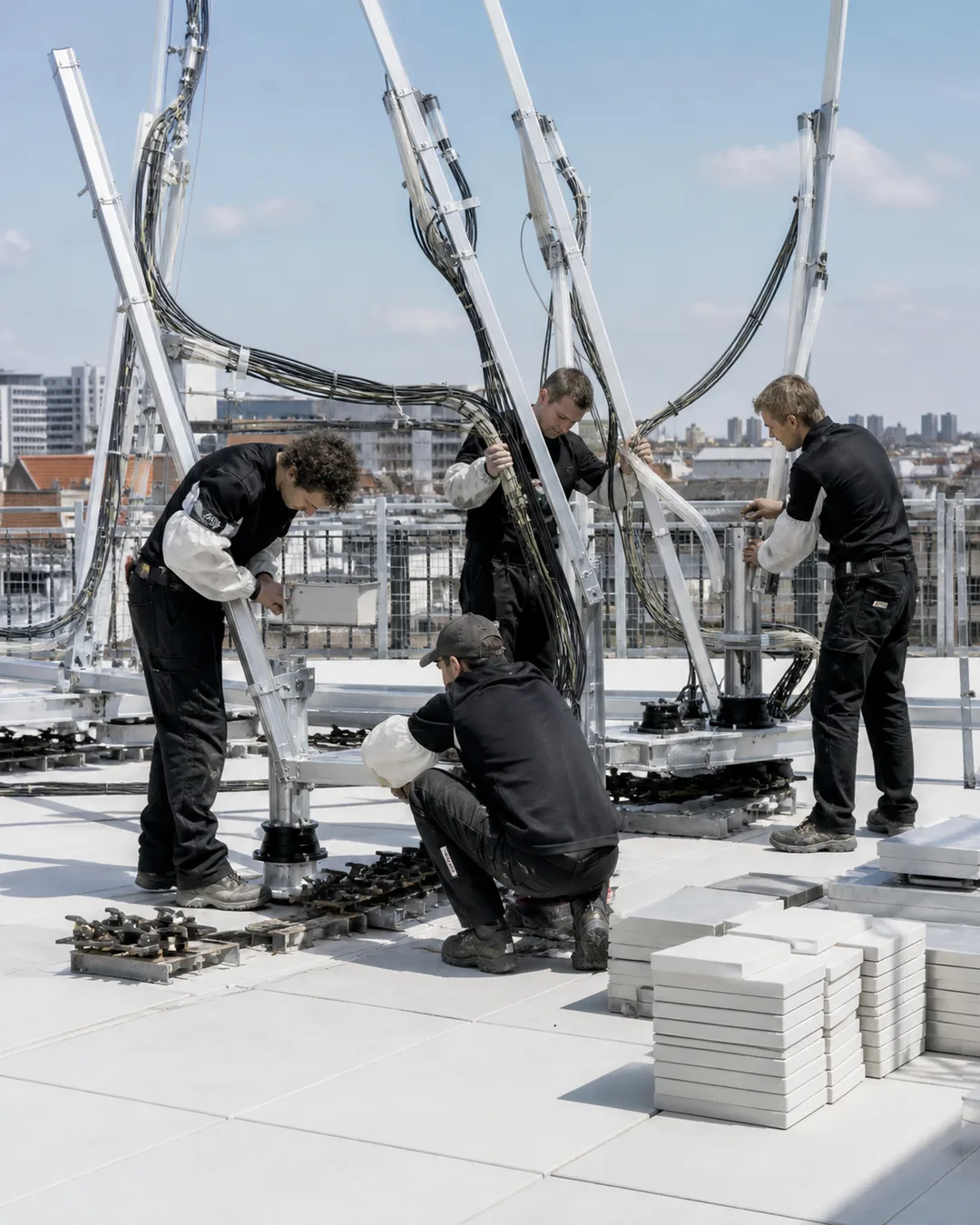
Built Elsewhere First, gen. Fakewhale Studio, Output YA1017, 2026
A system rarely defeats refusal by silencing it. More often, it learns its shape. The museum exhibits institutional critique, the market prices disruption, and the platform circulates dissent with the same efficiency it gives desire. Once rupture becomes recognizable, it can be catalogued, promoted, and returned as evidence of the system’s openness.
The frame performs a related operation on the object. It separates looking from use, assigns custody, regulates touch, and converts vulnerability into value. Duchamp’s reciprocal readymade imagined a masterpiece returned to function, but the contemporary artwork is surrounded by contracts and conservation protocols that make ordinary use almost impossible while allowing its image to travel everywhere.
Across this issue, radicality, artistic duration, and professional survival appear as problems of infrastructure. The decisive question is not whether a gesture looks oppositional, whether a work seems timeless, or whether an artist is represented. It is which relations are altered, who controls the conditions of continuity, and what remains possible after recognition has done its work.
*Editorial framing for Fakewhale Newsletter Issue #84.
What Remains of the Radical? Practices of Discontinuity in the Present
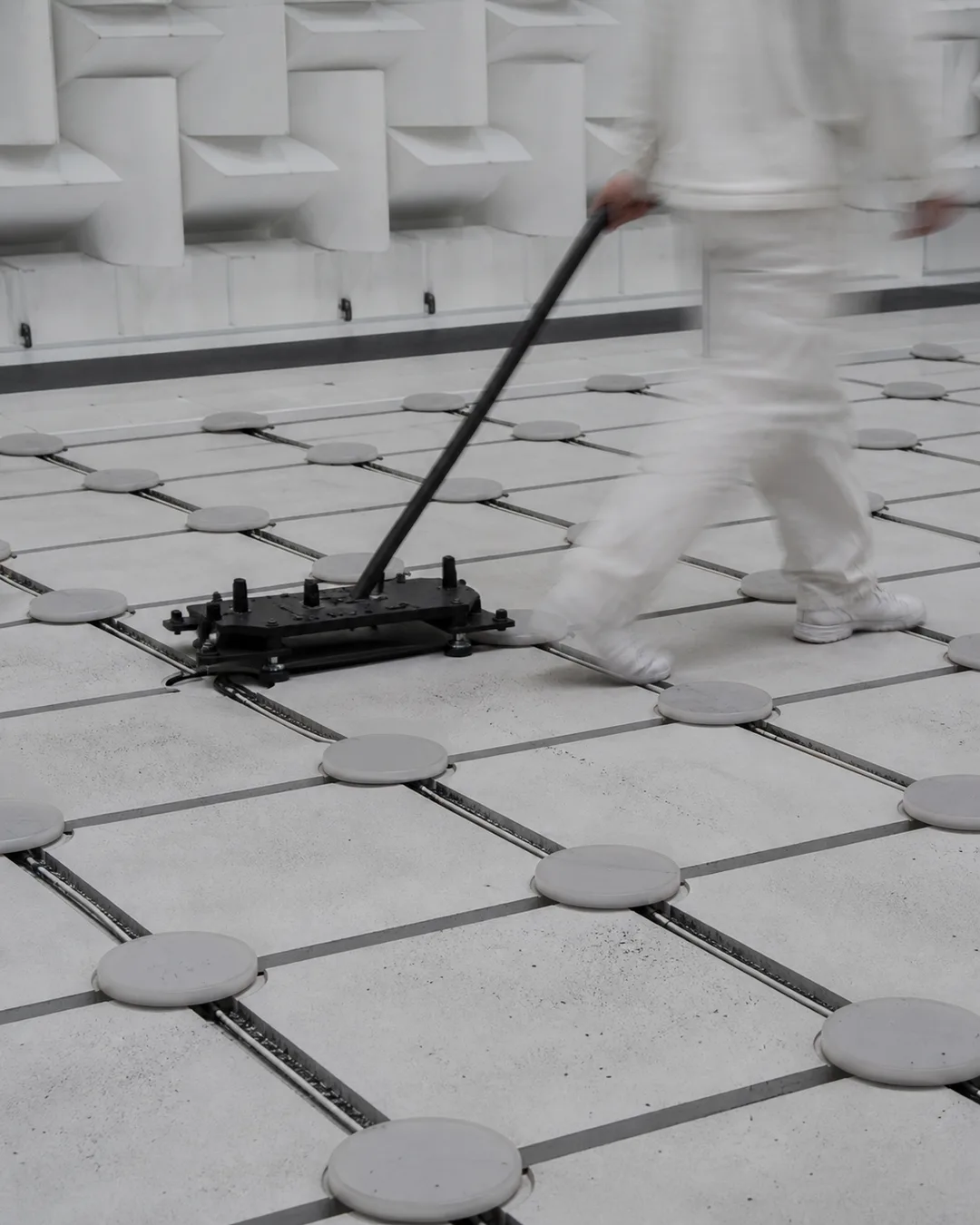
Route Without Log, gen. Fakewhale Studio, Output YA1014, 2026
Radicality once took its clearest form as a break: refuse the institution, abandon the object, interrupt representation, withdraw from the market. That distance gave the gesture force because it drew a boundary between the conditions art could accept and those it intended to change. In the present, however, the visual language of refusal has become highly legible.
A protest image can be optimized for a feed; institutional critique can become museum programming; transgression can become an exhibition category or a premium market narrative. The problem is not that refusal has become false. It is that contemporary systems can recognize opposition quickly enough to circulate it, classify it, and use it as part of their own renewal.
This is the “style of no”: the moment when the appearance of rupture detaches from its effects. Typography, antagonism, disruption, and withdrawal continue to signal resistance even when the underlying distribution of access, resources, and authority remains intact. A radical gesture can survive as an image after its capacity to change conditions has been absorbed. (…)
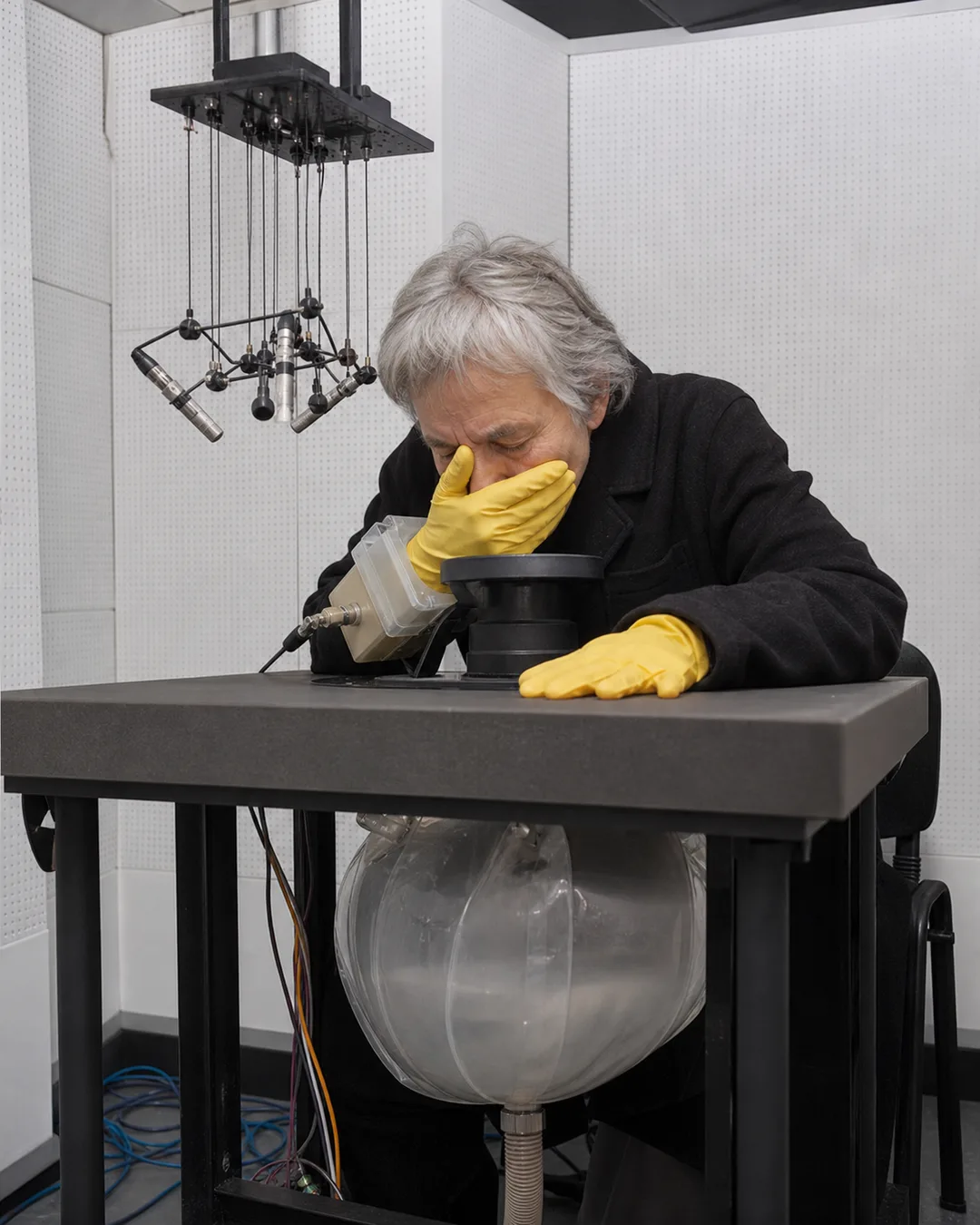
Mute Load Bearing, gen. Fakewhale Studio, Output YA1016, 2026
The essay therefore moves the question from visibility to consequence. Radicality may operate inside a platform, an institution, an archive, or a market, turning their rules and protocols into material. Working within a system is not capitulation by definition; it becomes consequential when proximity reveals the machinery of capture and redirects what that machinery can support.
No position remains permanently outside recognition. Obscurity acquires prestige, withdrawal becomes mythology, and disruption becomes a professional identity. What matters is the capacity to shift form before resistance settles into a category—and to produce differences that alter participation, agency, or infrastructure rather than merely representing opposition. (…)
Explore the full Insight↓
The Reverse Readymade: Duchamp and the Degradation of Art Into Function, Part II
Fakewhale Studio, Output YA1072, 2026
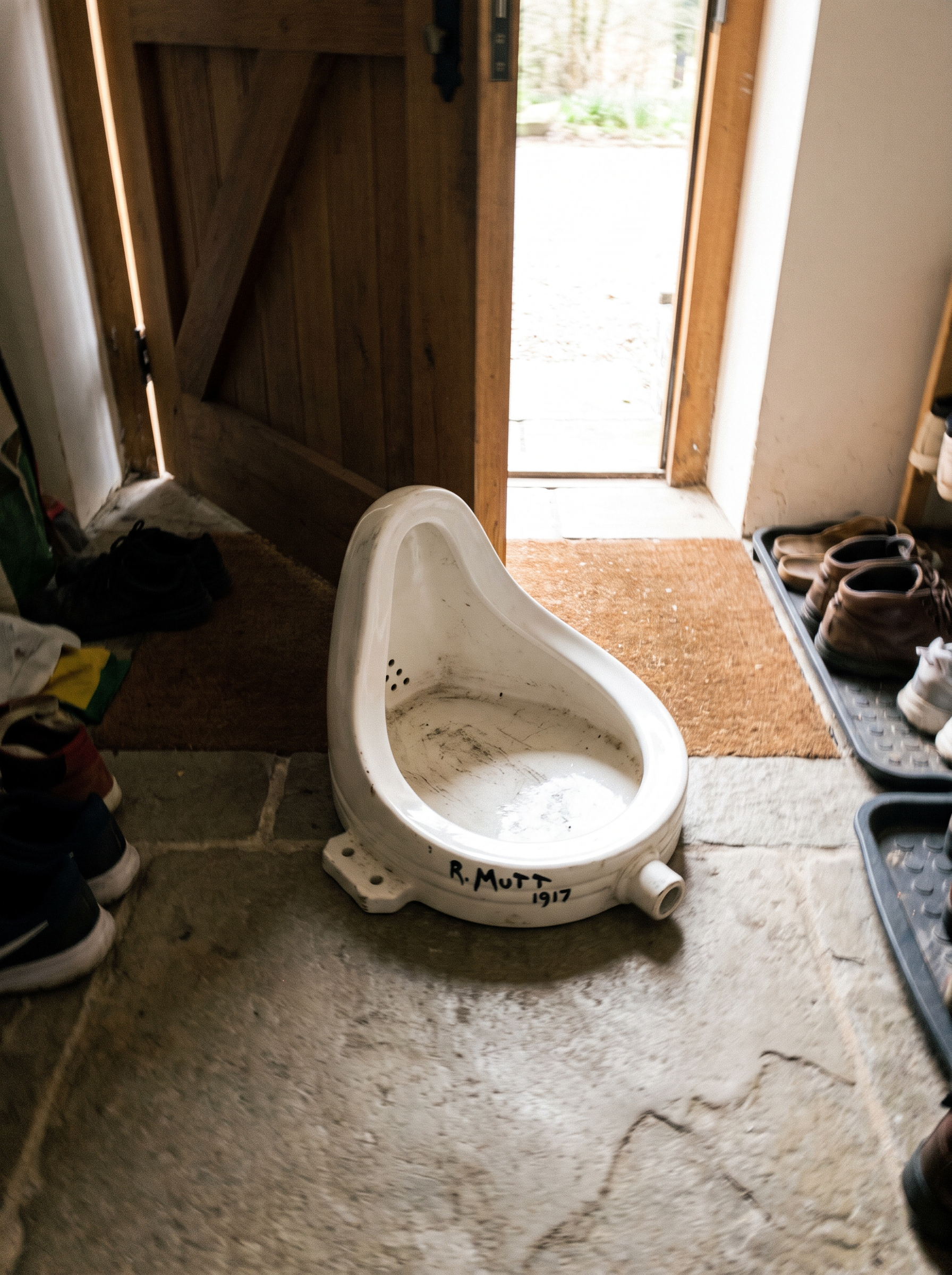
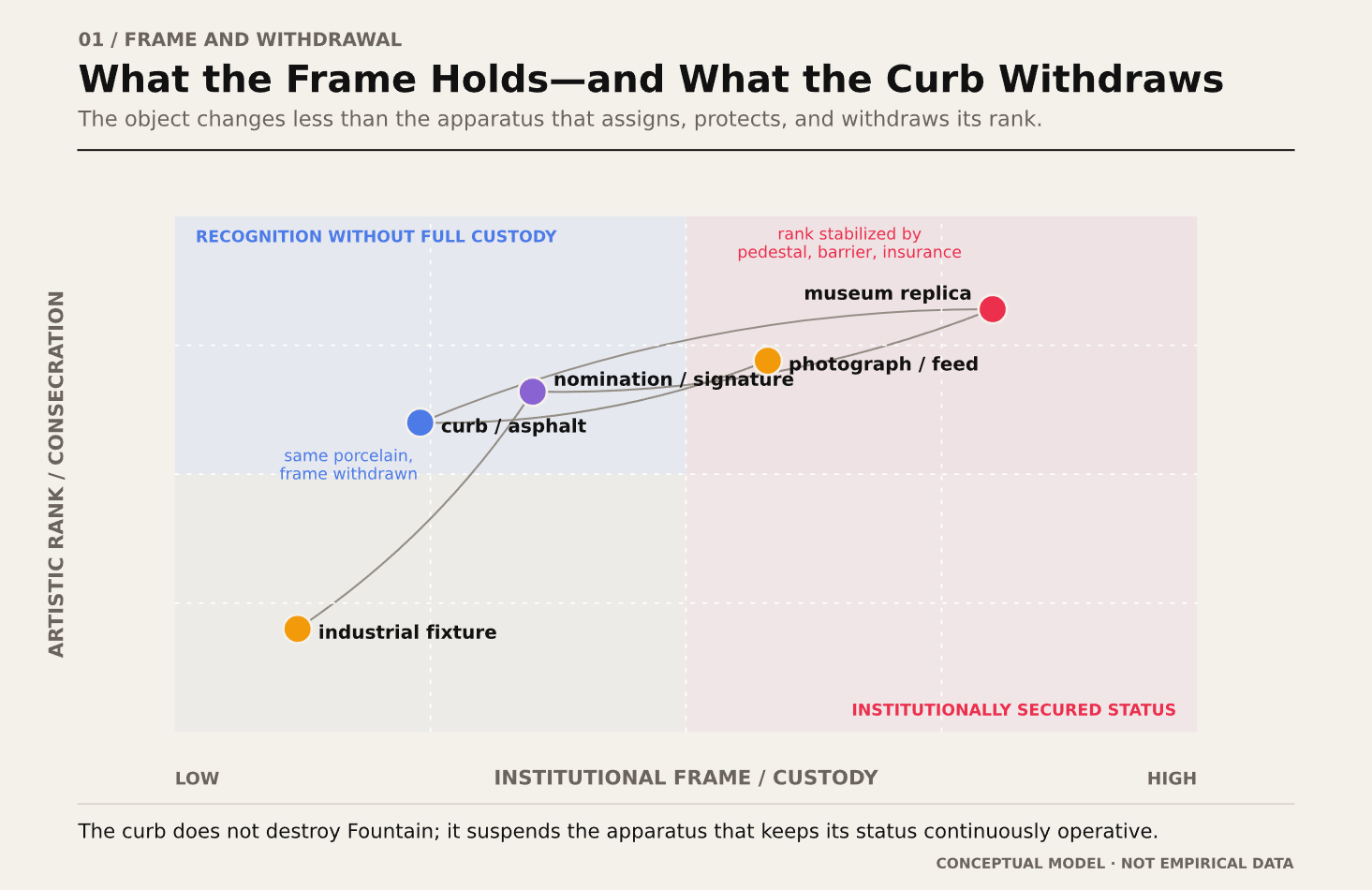
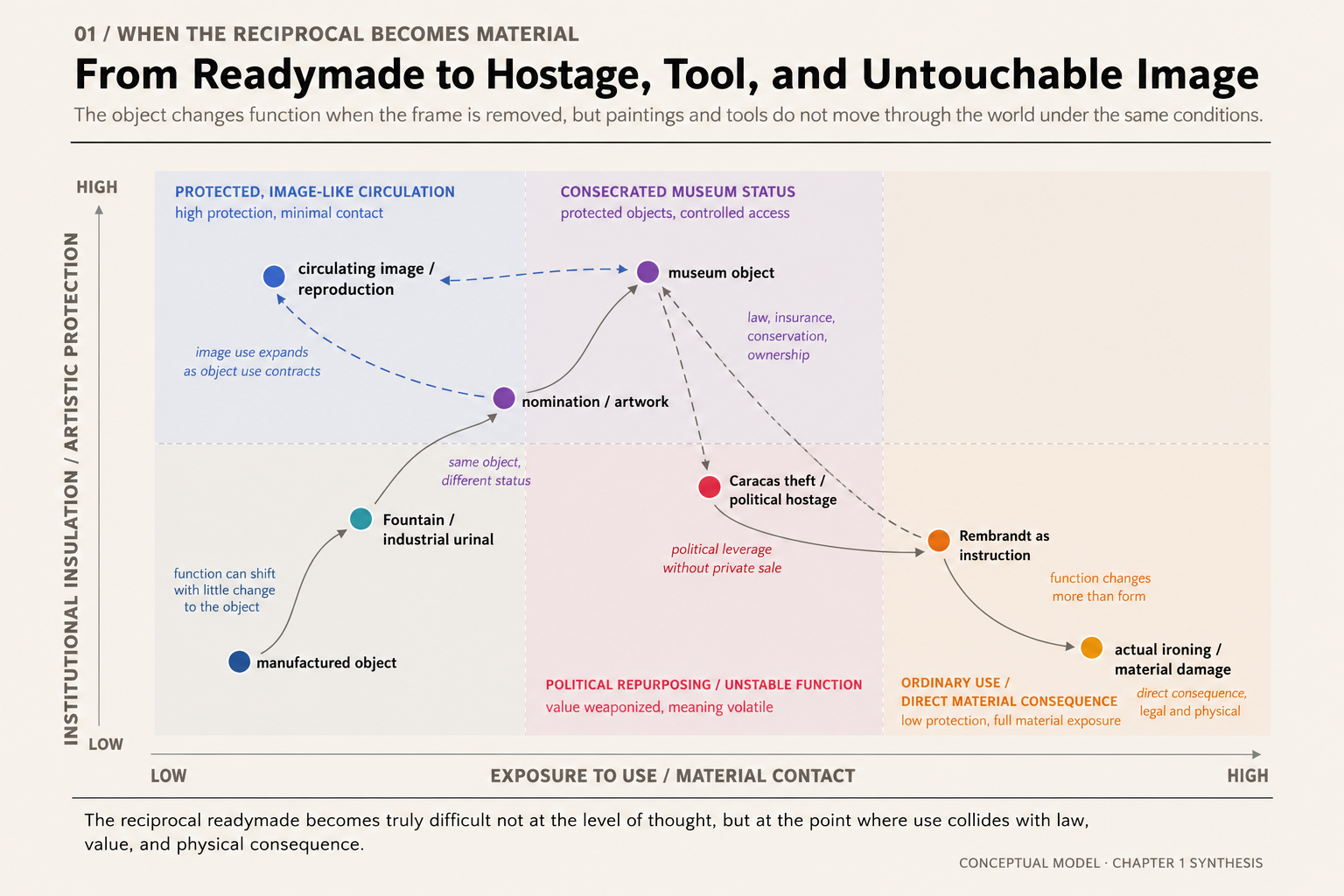
Duchamp’s reciprocal readymade proposed a brutal reversal: take something already consecrated as art and return it to use. A Rembrandt becomes an ironing board. Yet the imagined movement from artwork to equipment is not symmetrical with the readymade’s ascent. A urinal can enter a gallery without losing its physical capacity; a painting pressed into service encounters heat, ownership, insurance, conservation, and law.
The frame is more than wood or architecture. It is a chain of thresholds—pedestal, label, lender, guard, climate system, condition report—that converts proximity into ritual and contact into exception. Remove that apparatus and rank can pause, but the pause is reversible: a photograph, a caption, or a collector’s call can rebuild the frame around the object almost immediately. (…)
Fakewhale Studio, Output YA1074, 2026
The 1963 seizure of five paintings from the Museo de Bellas Artes in Caracas exposes another use. For seventy-four hours, the works became political leverage: not commodities for sale and not tools, but hostages whose authority depended on remaining recognizable, movable, and expensive to lose. Their physical control changed while title, provenance, and symbolic value stayed intact.
The reciprocal readymade survives most fully in the split between object and file. The painting is protected from touch while its image is cropped, copied, trained, degraded, and recirculated without friction. Function belongs to the reproduction; exception belongs to the scarce support. Rank is not a substance inside the work but the cost imposed on touching it. (…)
Explore the full Insight↓