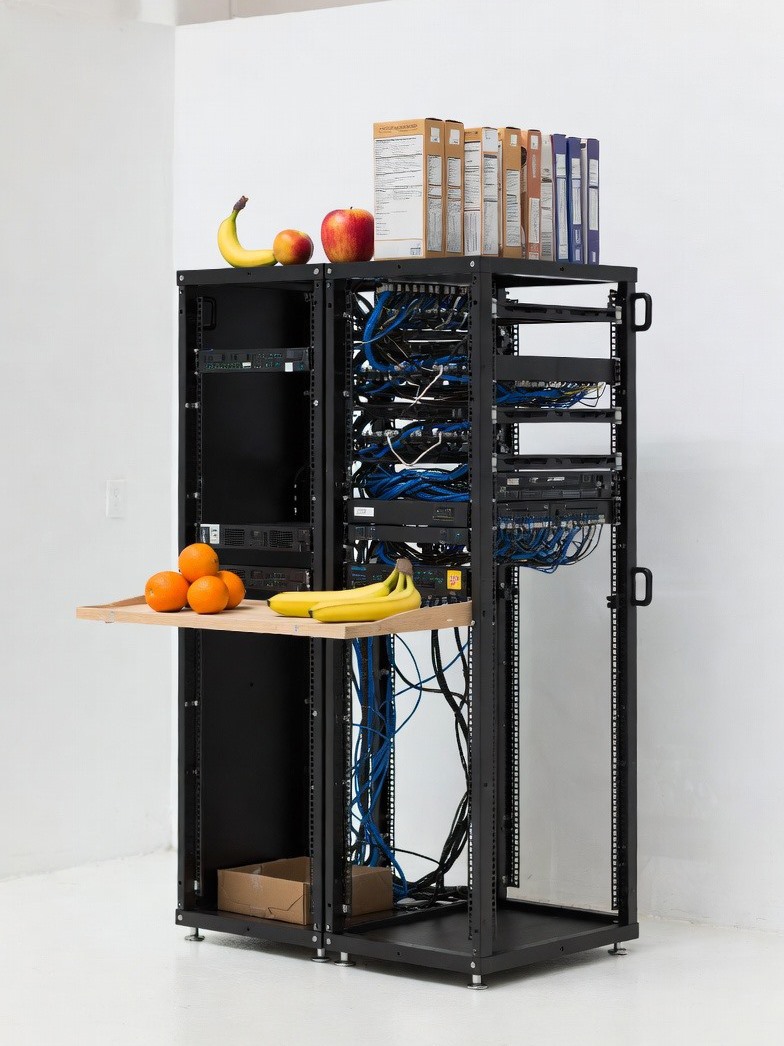
The Dead Ends Removed, AI-generated, Fakewhale Studio, Output YA1134, 2026
An image can borrow authority before it makes an argument. Scale, repetition, a commanding sentence, or the arrangement of bodies can position a viewer before interpretation begins. Artists who work with these devices bring that authority into view, while also exposing themselves to the effects they want to examine.
Generative systems introduce another distance between appearance and circumstance. They can reproduce a visual result without repeating the duration, decisions, or encounters through which a work acquired its meaning. What looks convincing on a screen may tell us little about the conditions that made the original work possible, or the relationships it established.
This issue follows those conditions across persuasion, prediction, authorship, and ownership. Who organized the encounter? Which histories does an image carry? Who decides when a work becomes available to a public? These questions lead beyond the visible surface toward the arrangements through which art is produced, interpreted, and given a place in the world.
*Editorial introduction — Fakewhale Newsletter Issue #95.
The Aesthetics of Power

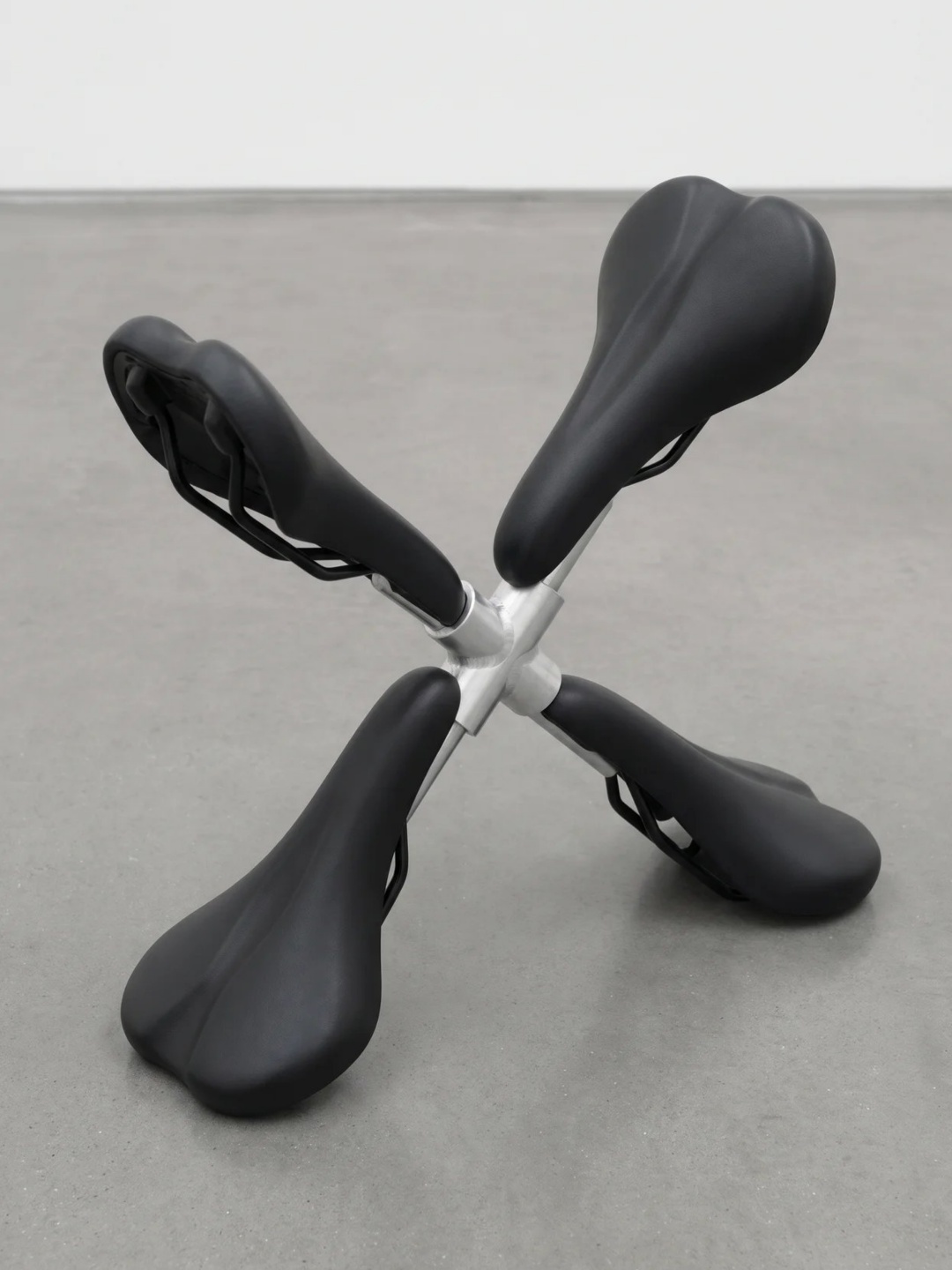
The Dead Ends Removed, AI-generated, Fakewhale Studio, Output YA1130, 2026
Political force enters an image through more than its subject. A slogan addresses someone; a monument establishes scale; repetition makes a claim familiar. These devices acquire their effects through particular audiences and institutions. A forceful visual language can serve competing commitments, making its political meaning difficult to infer from appearance alone.
Barbara Kruger draws the viewer into the direct address of advertising, then turns that address toward questions of identity and control. Cady Noland brings barriers, industrial objects, and national symbols into charged proximity. Hans Haacke uses documentary procedures to disclose the ownership and institutional relationships that an exhibition might otherwise leave outside its frame.
These practices open different routes into the operation of authority. Their critical effects remain dependent on context: a confrontational image may expose domination, attract fascination, or circulate as a recognizable style. Looking closely requires asking who is addressed, which identifications become available, and what changes as the work moves between settings. (…)

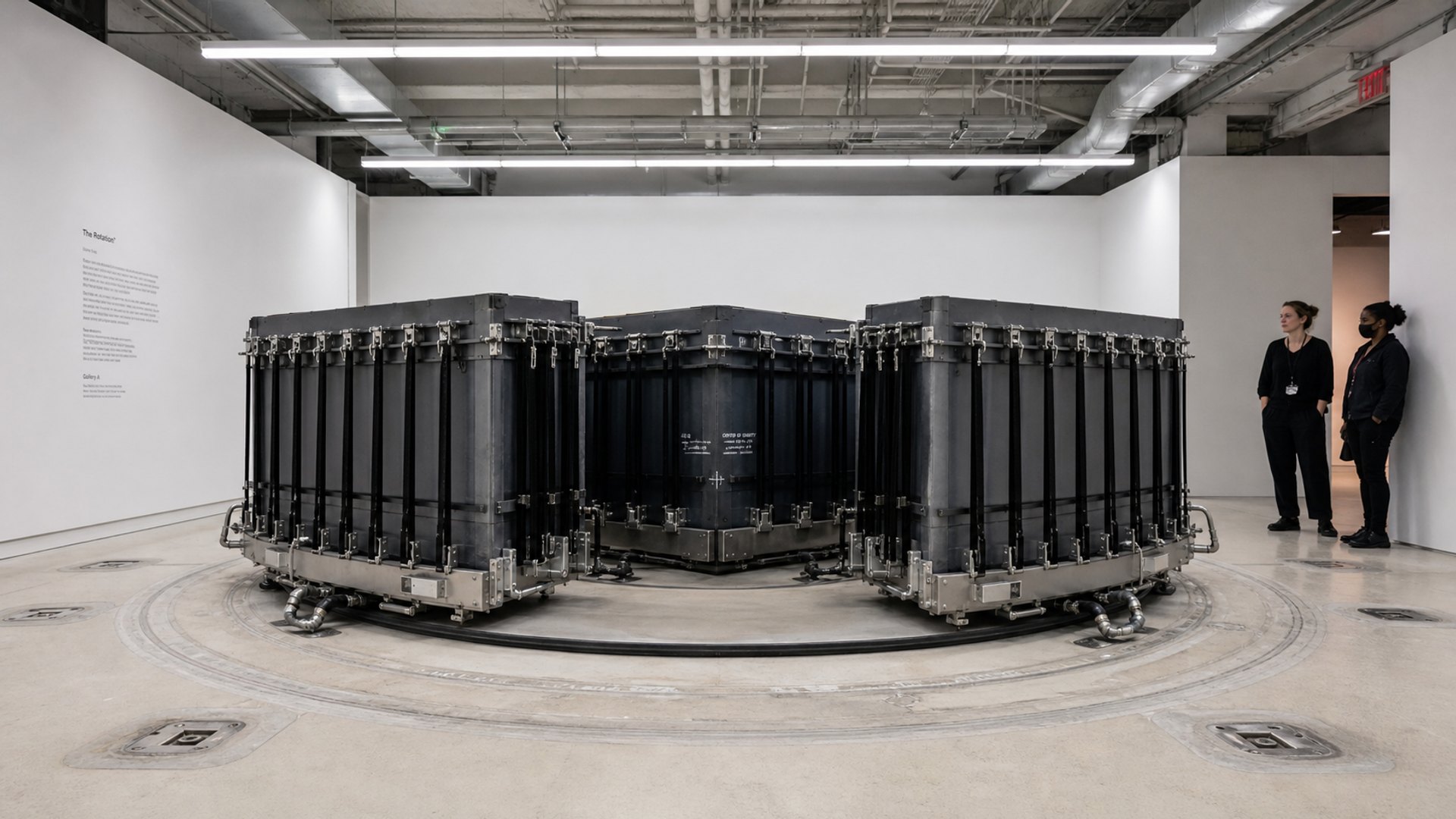
The Dead Ends Removed, AI-generated, Fakewhale Studio, Output YA1132, 2026
(…) The problem becomes especially concrete when an artwork organizes an actual situation. Instructions, payment, participation, and documentation allocate power among people. The authority to devise the encounter and carry it into an exhibition becomes part of what the work asks its audience to examine.
Critical intention cannot settle those relationships in advance. The distribution of risk, the possibility of refusal, and the recognition that follows an event all affect its meaning. Art’s capacity to scrutinize power grows more demanding when the work makes its own procedures available to the same scrutiny. (…)
Explore the full Insight↓
The Work That Refuses to Be Predicted: On the Aesthetics of Non-Generability

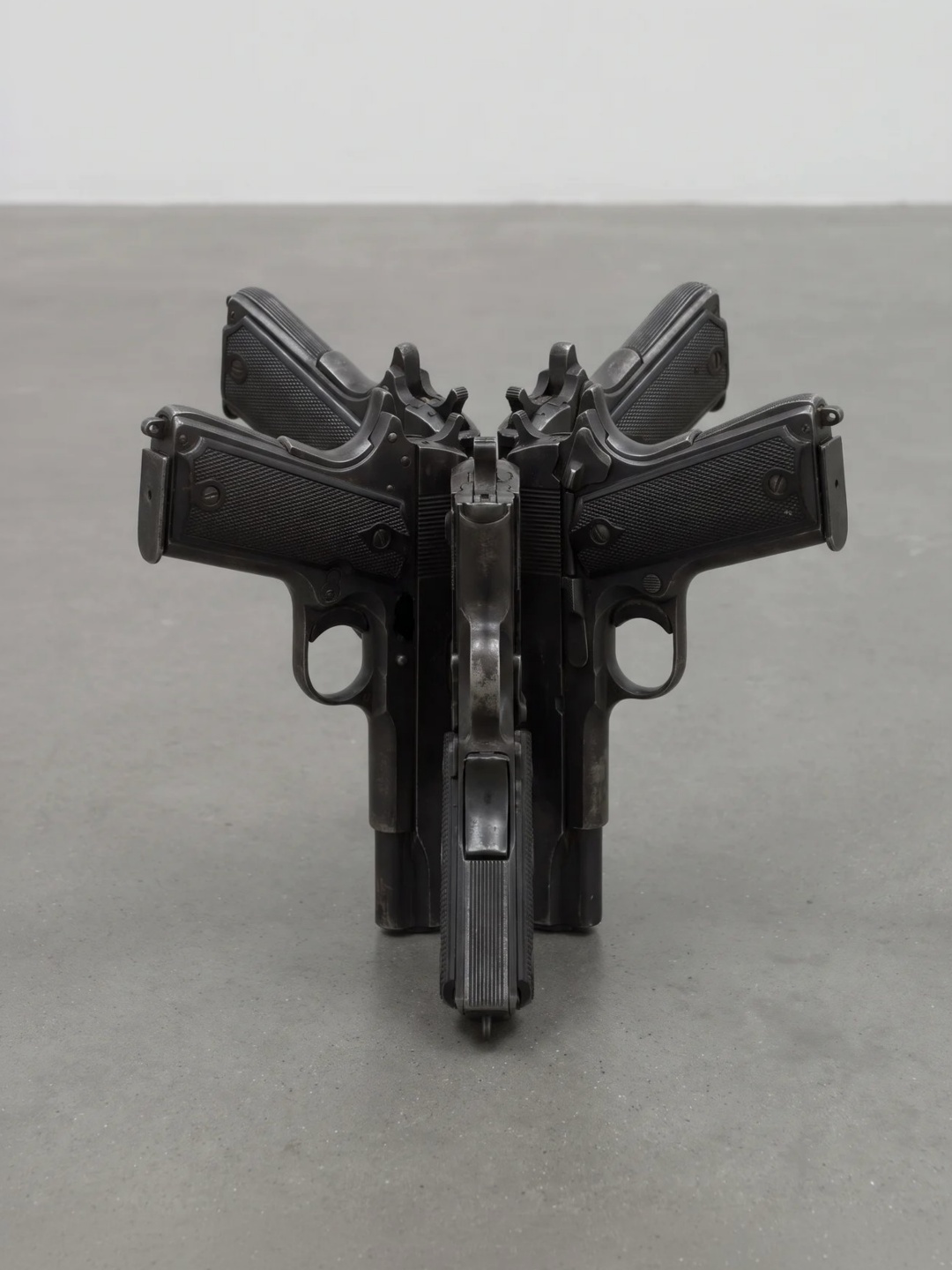
The Dead Ends Removed, AI-generated, Fakewhale Studio, Output YA1135, 2026
A model can generate the appearance of a deteriorated surface without waiting for the material to change. It can suggest a performance without organizing the encounter that gave that performance its stakes. Such images may be compelling, while leaving unresolved how much of the represented work has actually been reproduced.
Non-generability names this gap between a visual result and the circumstances essential to an artistic proposition. Duration, a particular site, unrecorded interactions, or a procedure open to events can help constitute a work. Its documentation offers information about those conditions, but the available information may be insufficient to reconstruct what happened. (…)

The Dead Ends Removed, AI-generated, Fakewhale Studio, Output YA1138, 2026
(…) These limits move as technologies and practices develop. Handwork can follow a readily anticipated formula, while computational art can depend on changing events that remain unresolved until execution. The distinction therefore offers no secure division between human and machine production, and no permanent certificate of originality.
Resistance to prediction also carries practical costs. A work that travels poorly as an image may become harder to exhibit, communicate, or sustain economically. Escaping a model provides no guarantee of significance. It invites a more precise inquiry into what an artistic operation requires, what its representation preserves, and what the systems distributing it leave unavailable. (…)
Explore the full Insight↓