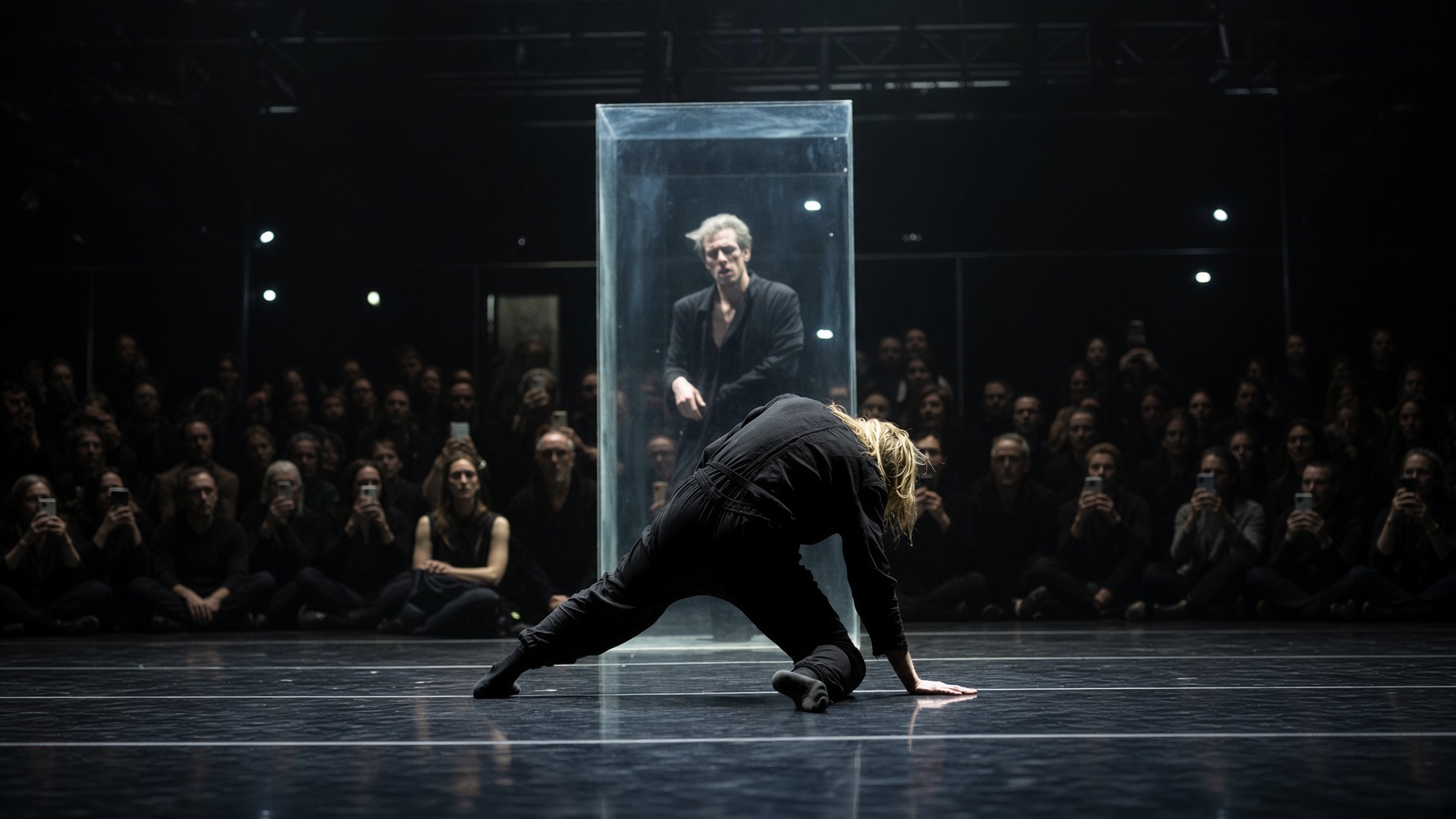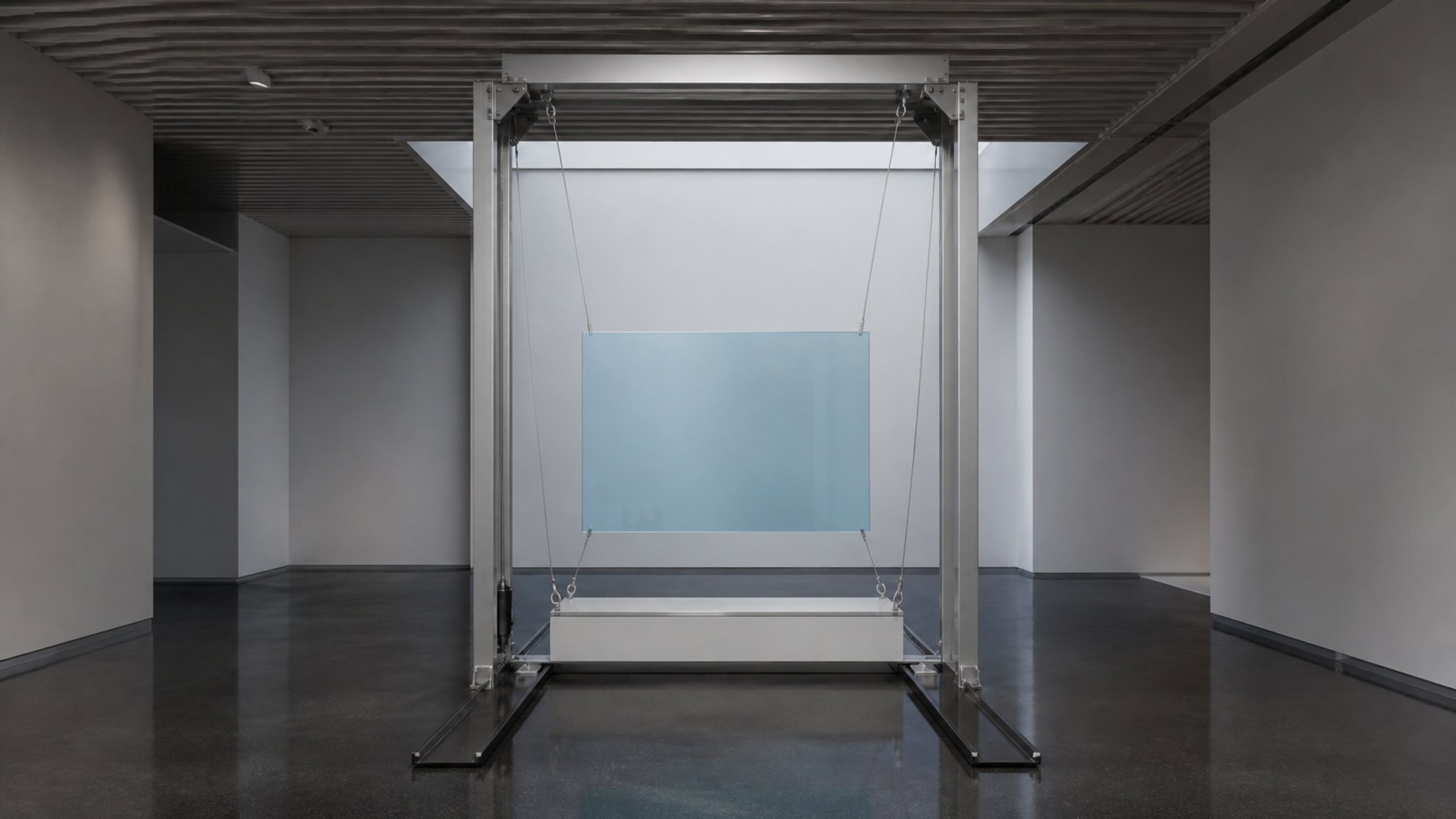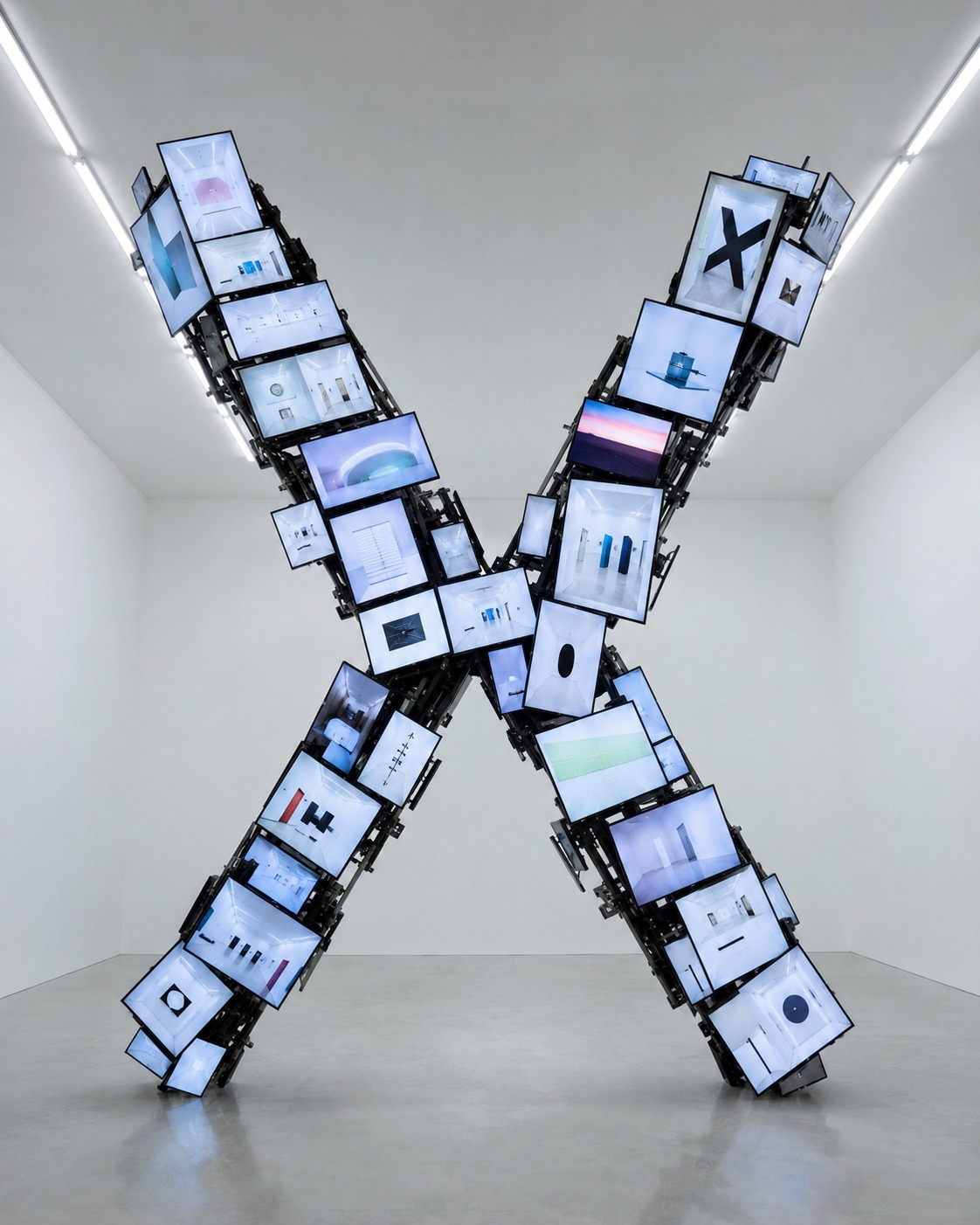
Crossing into Art, AI-generated, Fakewhale Studio, Output YA1267, 2026
What becomes visible is not the same as what becomes understood. A statement can grow familiar without growing true; an artwork can be instantly recognized while much of what produced it remains unseen. Between appearance and judgment lies a field of formats, repetitions, expectations, and inherited ways of looking.
This issue follows two gaps within that field. Jenny Holzer’s anonymous, contradictory posters expose the authority a message can borrow from its presentation. The approximation of the gaze turns toward the distance between the artist’s layered construction and the partial version assembled by a viewer. Circulation and reception each change what arrives.
Below, the artwork’s intermittent life depends on renewed attention, while anti-slop raises the possibility of rebellion already formatted as a trend. Across these readings, visibility is a condition to examine rather than a verdict to accept: what makes an image return, a claim seem normal, or a form feel understood?
*Editorial introduction — Fakewhale Newsletter Issue #91.
How Extreme Ideas Become Acceptable
A Judgment Takes Hold, AI-generated, Fakewhale Studio, Output YA1268, 2026
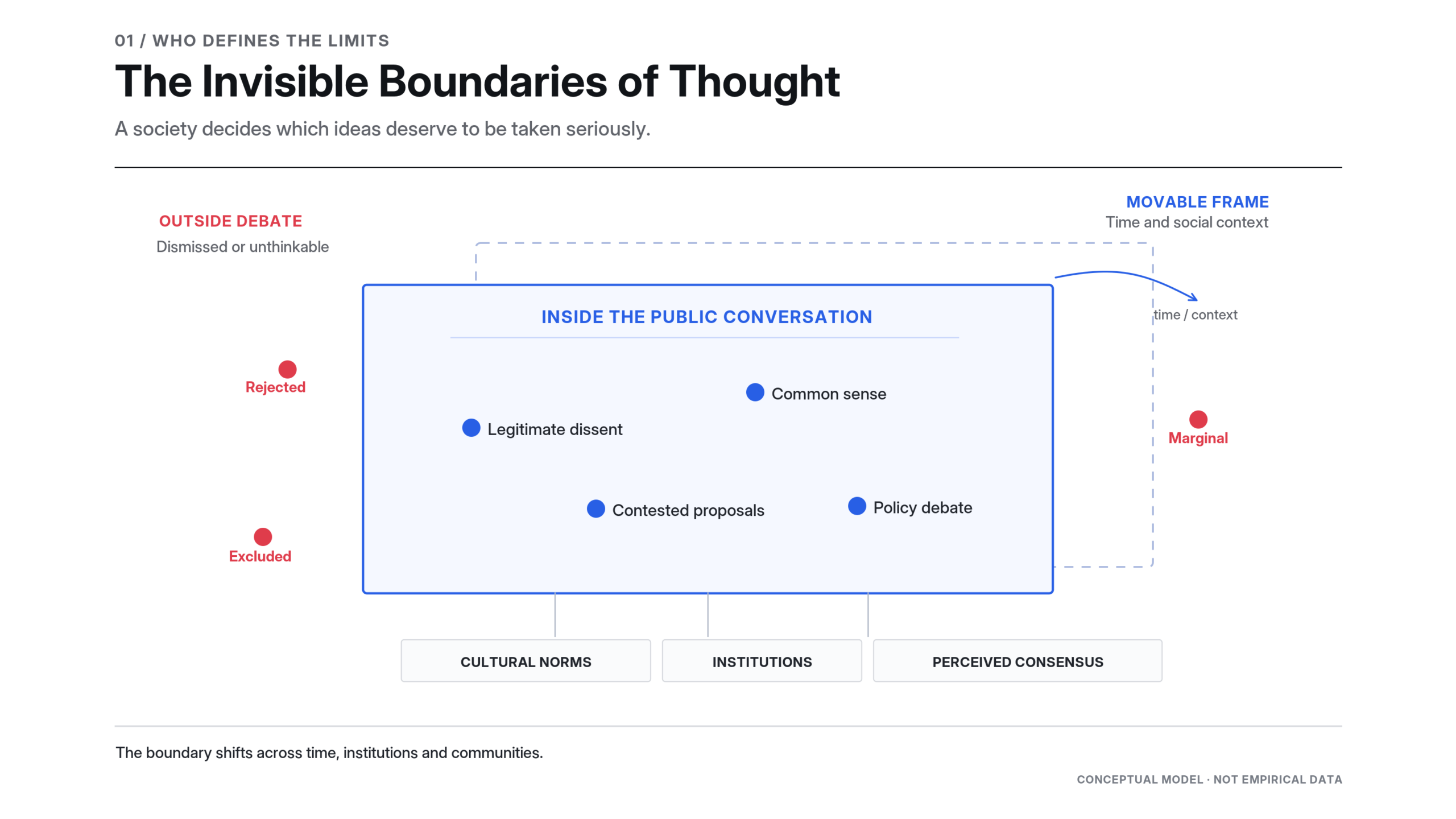
What seems absurd today may appear perfectly normal tomorrow. Every society draws an invisible line between what can be said, debated, and accepted and what is dismissed as extreme, unreasonable, or beyond consideration. That line is never fixed. It shifts with culture, politics, language, and, above all, the ways ideas circulate.
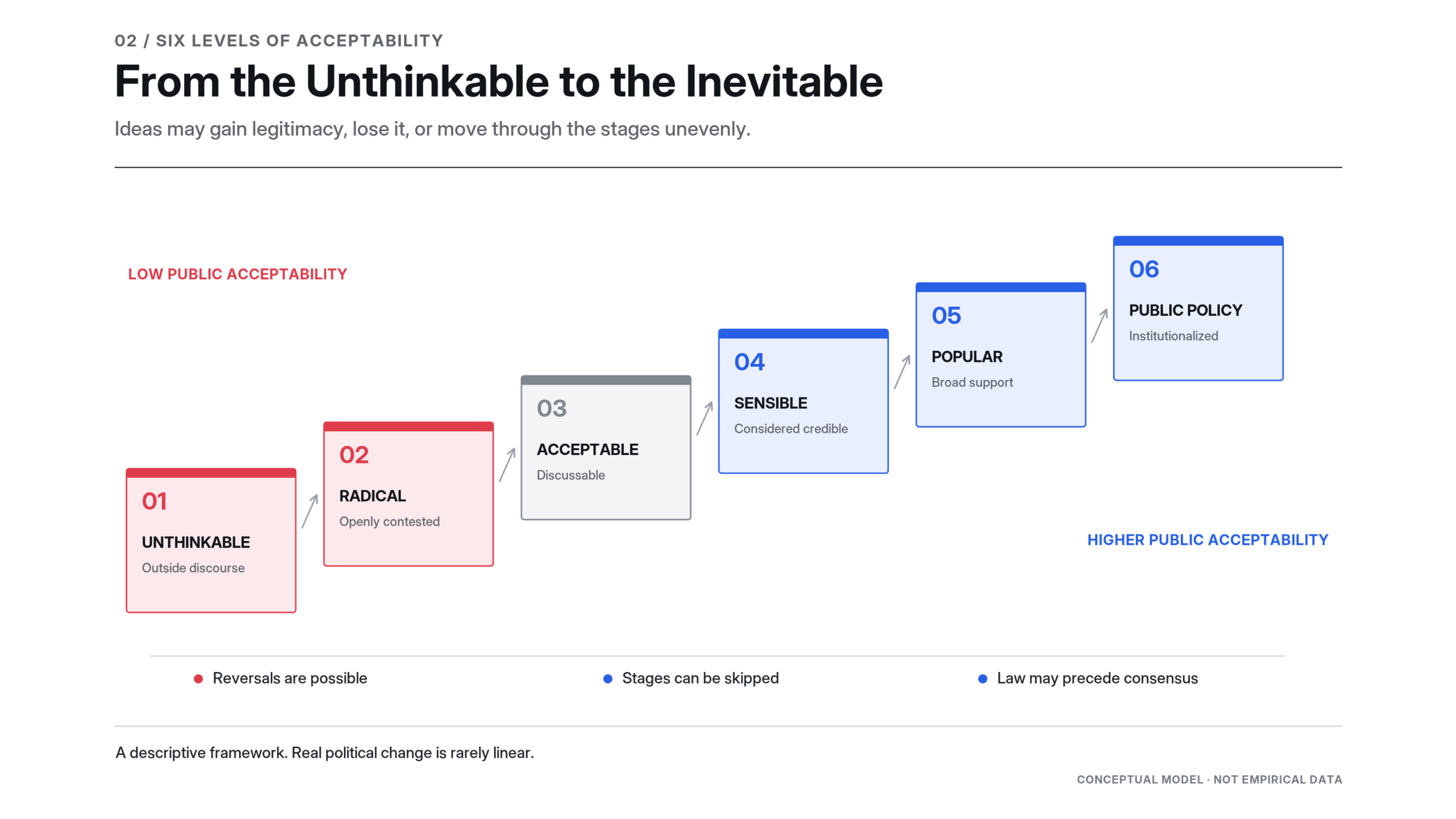
This is the principle behind the Overton window, a model describing the range of opinions considered acceptable at a particular historical moment. One interpretation of the model identifies six levels through which an idea may be perceived, from unthinkable to its eventual adoption as public policy. This is not an inevitable progression, but a possibility: even the most radical convictions can gradually lose their sense of strangeness.
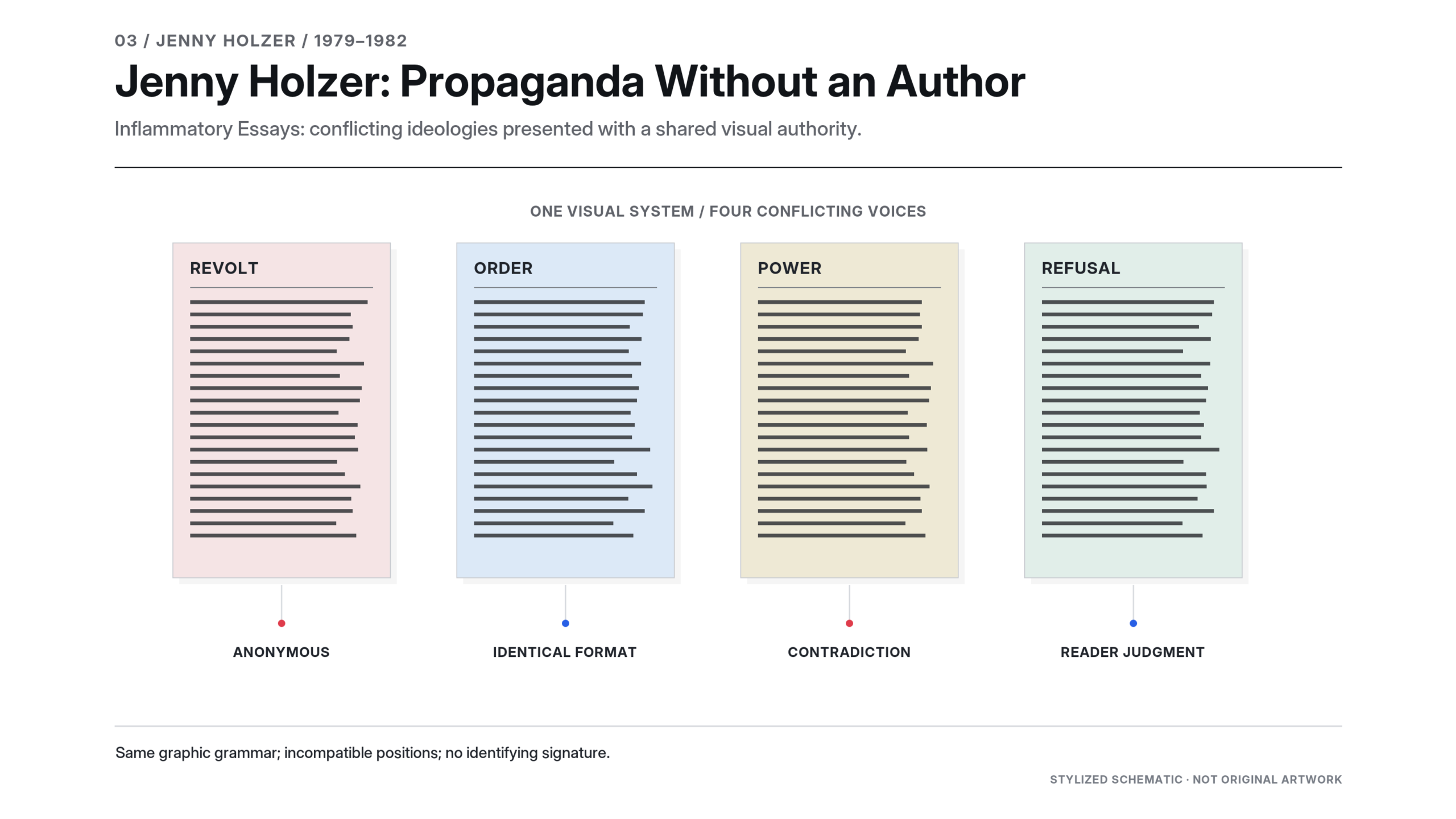
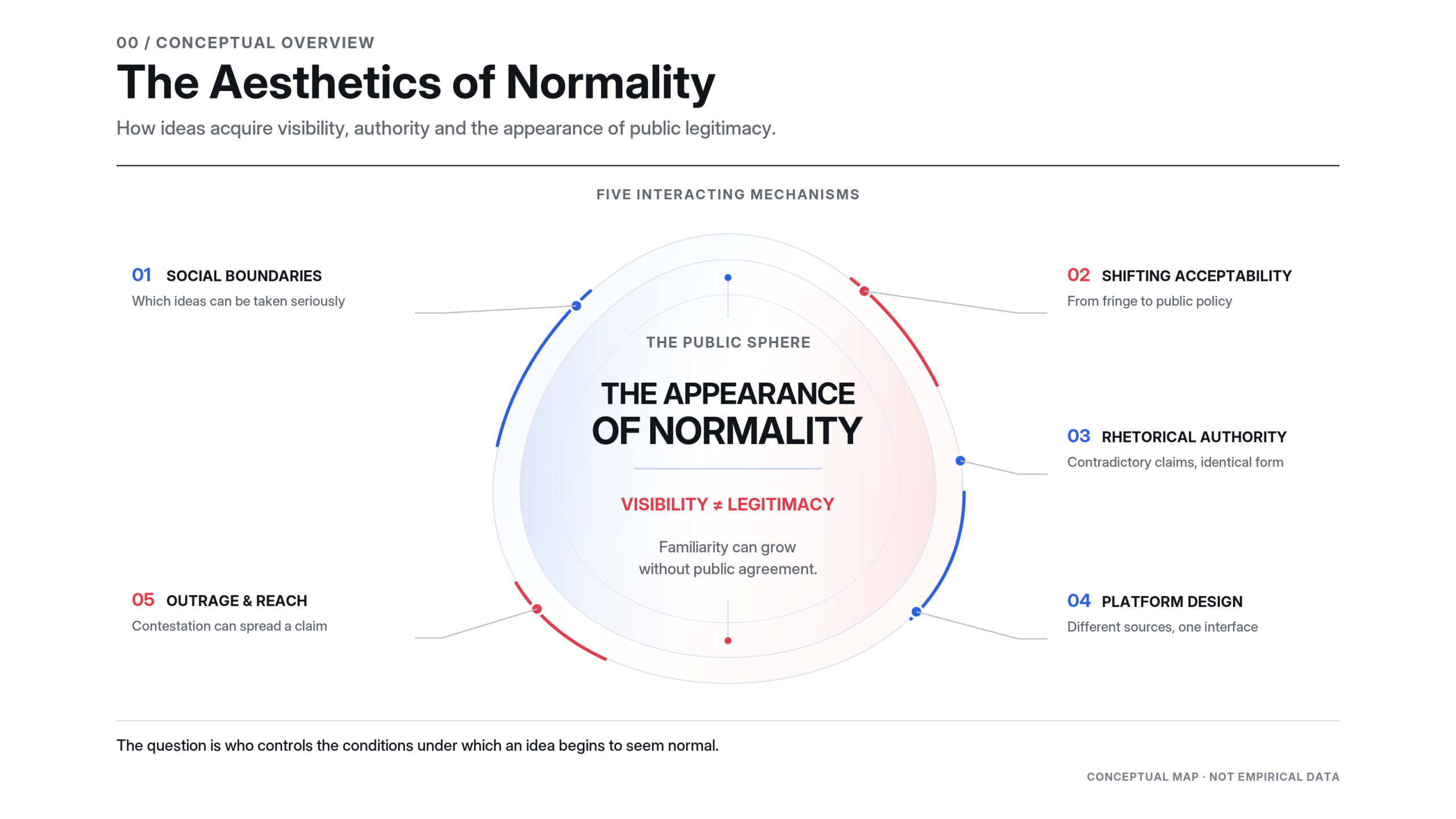
The decisive shift comes when an idea, whatever its substance, gains enough visibility to become familiar. Repetition makes it recognizable, debate lends it relevance, and even outrage can help keep it circulating. Long before social media existed, the American artist Jenny Holzer was exploring a remarkably similar dynamic. In 1979, she began distributing her Inflammatory Essays on the streets of Manhattan: anonymous posters, each containing exactly one hundred words arranged across twenty lines. Aggressive proclamations, political exhortations, threats, and mutually contradictory ideological positions all appeared in a rigorously uniform graphic format. (…)
The Archive in Motion, AI-generated, Fakewhale Studio, Output YA1269, 2026
(…) The form stayed the same while the thinking changed radically. No signatures, no visual hierarchy to distinguish one position from another. Readers had to decide for themselves what to believe. Today’s digital platforms reproduce something comparable on a global scale. A Nobel laureate, a politician, an extremist, and an anonymous account can all speak through nearly identical interfaces. The structure hosting each message tends to standardize its appearance, while algorithms help determine its visibility.
It is one of the paradoxes of contemporary communication: democratizing the ability to speak does not guarantee the ability to distinguish what deserves to be believed. And when every idea can take on the aesthetics of normality, recognizing the moment when the unthinkable begins to become acceptable grows increasingly difficult. (…)
Explore the full Insight↓
The Approximation of the Gaze: The Work You Never See
AI-generated image Fakewhale Studio, Output, YA1163, 2026
When everything can become a subject, then nothing truly is. What remains, and what ultimately becomes more relevant, is the way a situation is told, the way it is presented, and the form through which a piece of content is shaped. It is 2026. This is where we have arrived. The sheer quantity of images, languages, references, and devices through which we read the world has gradually shifted attention away from the subject itself and toward its construction. It is no longer enough to ask what we are looking at. More and more often, what determines the weight of an image, an artwork, or a piece of content is the way that thing is organized, positioned, and made legible.
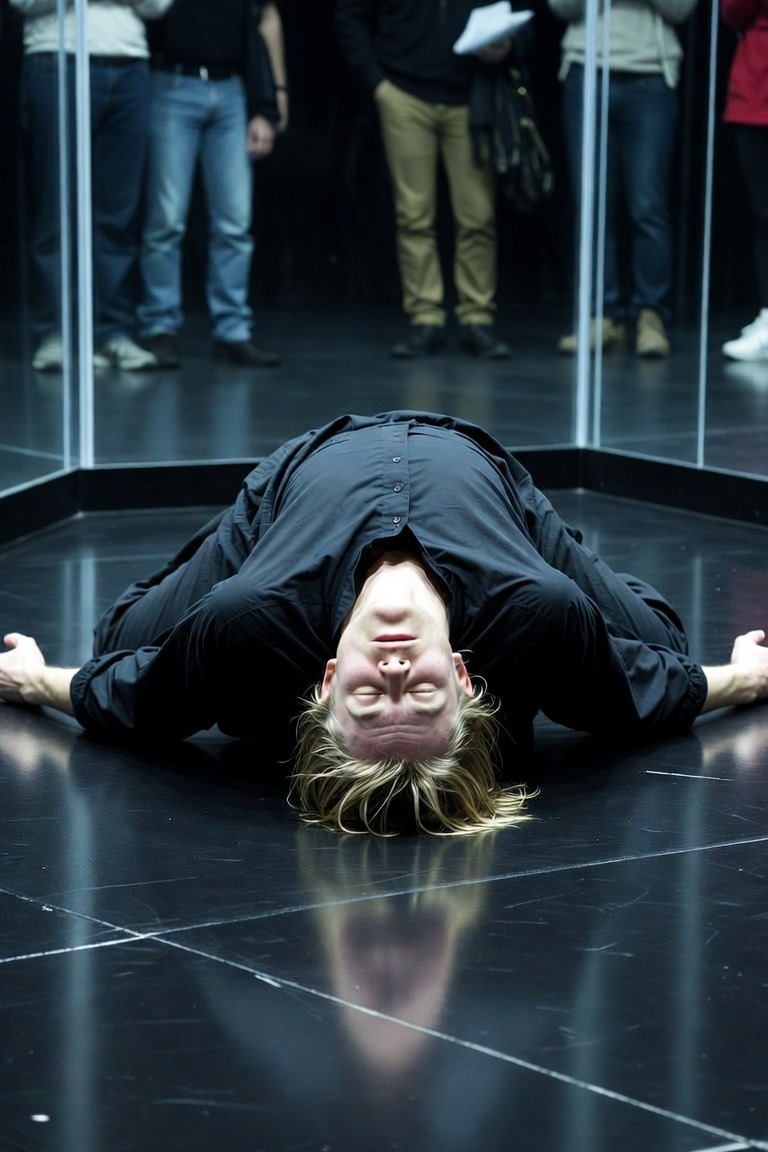
For an artist, however, this construction is never neutral. Behind an image there may be months or years of research, overlapping references, formal decisions, personal experiences, theoretical positions, attempts, mistakes, obsessions, connections to previous works, and layers of meaning that accumulate until they form an extremely complex structure. The artist inevitably tends to perceive the work through this totality. They know what comes before the work, what supports it, and what, even when it remains invisible, continues to determine it. The public, by contrast, almost always encounters only the result. (…)
AI-generated image Fakewhale Studio, Output, YA1166, 2026
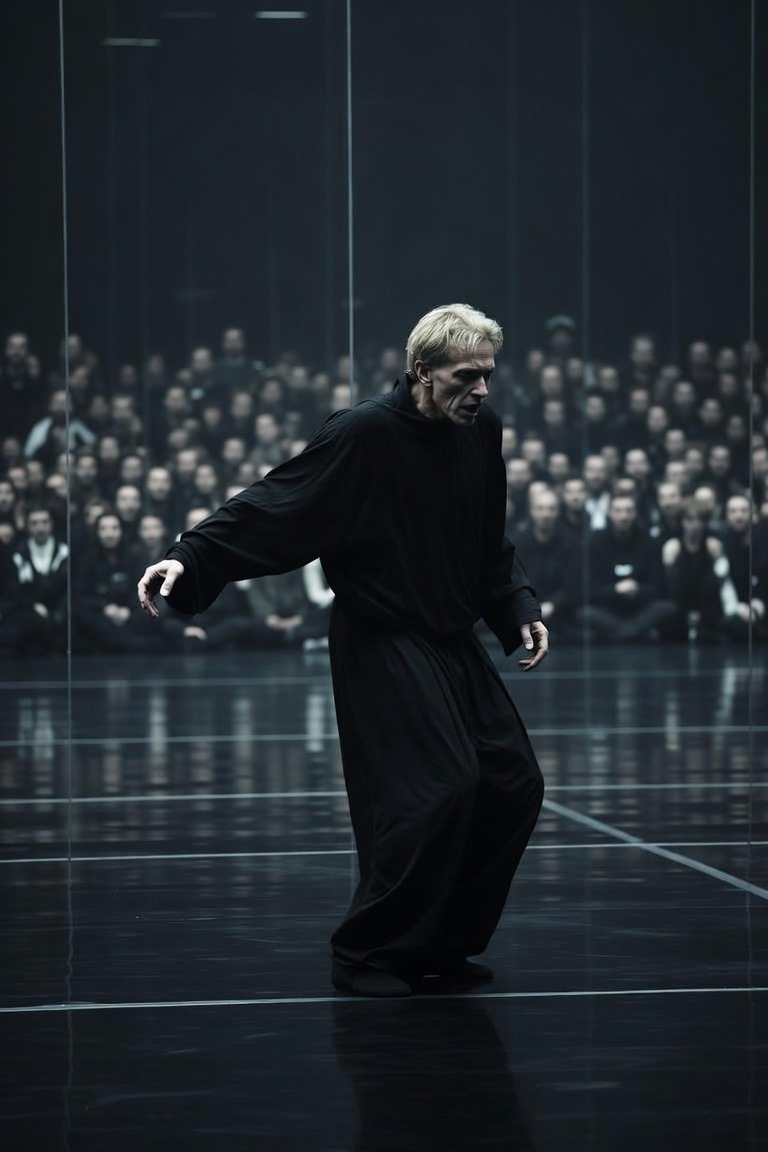
(…) No one looks at an image from zero. Every time we observe something, we compare it with what we have already seen, learned, or experienced. Our gaze constantly uses previous references to give meaning to what is in front of us. We recognize an atmosphere because it reminds us of a film. A symbol because we have encountered it somewhere else. A visual language because it belongs to an aesthetic we already know. Even when a work tries to introduce something new, we still tend to read it through categories that are already available to us. This means that the public never encounters only the work. It also encounters its own archive.
Recognizing something does not necessarily mean understanding it. When we recognize something, we tend to think we have already understood it. In reality, we have only found a familiar form through which to interpret it. Understanding, by contrast, requires time, context, and a willingness to remain with something that is not immediately legible. For this reason, part of the artist’s work is lost precisely at the moment it is recognized too quickly. (…)
Explore the full Insight↓