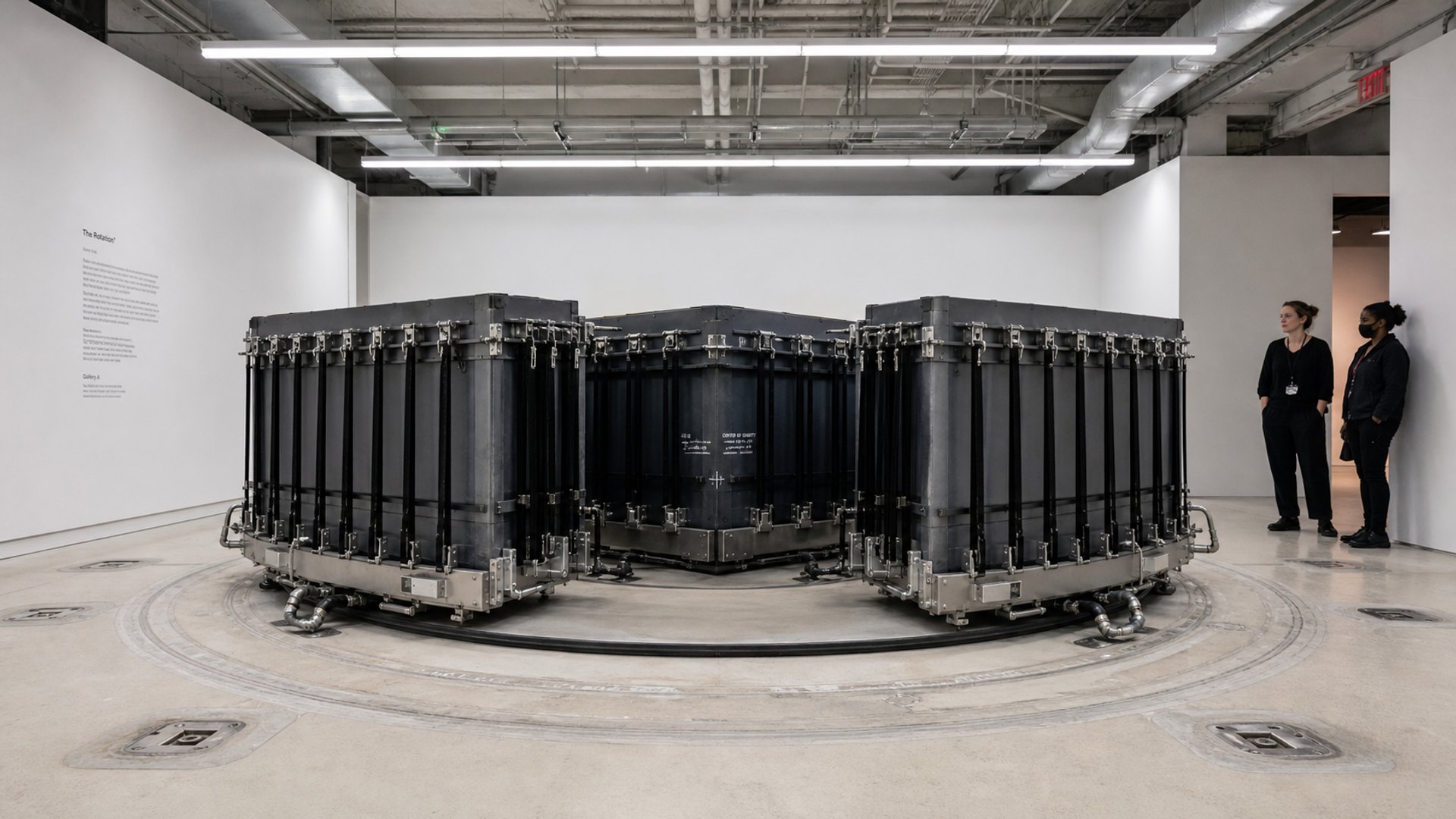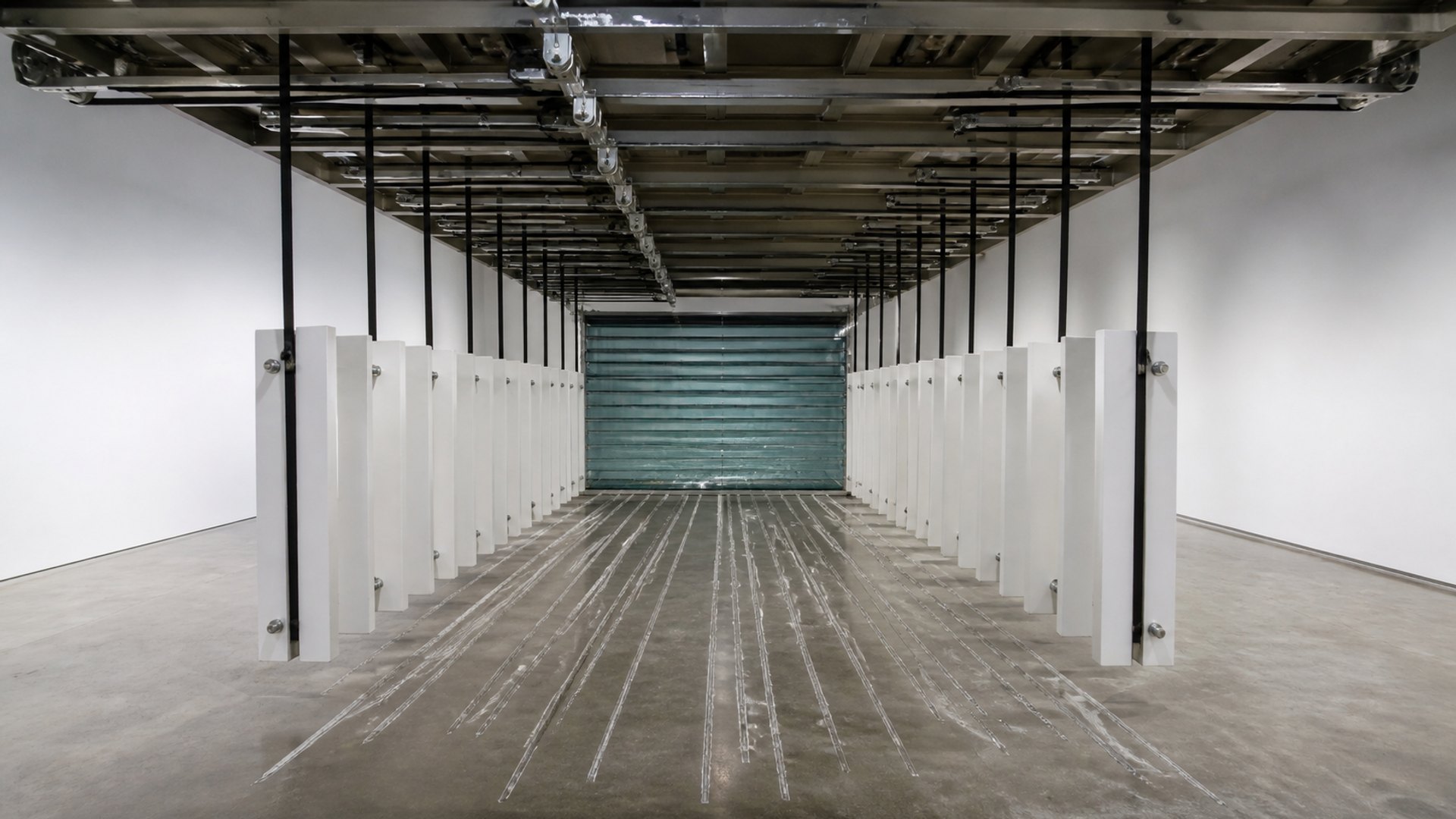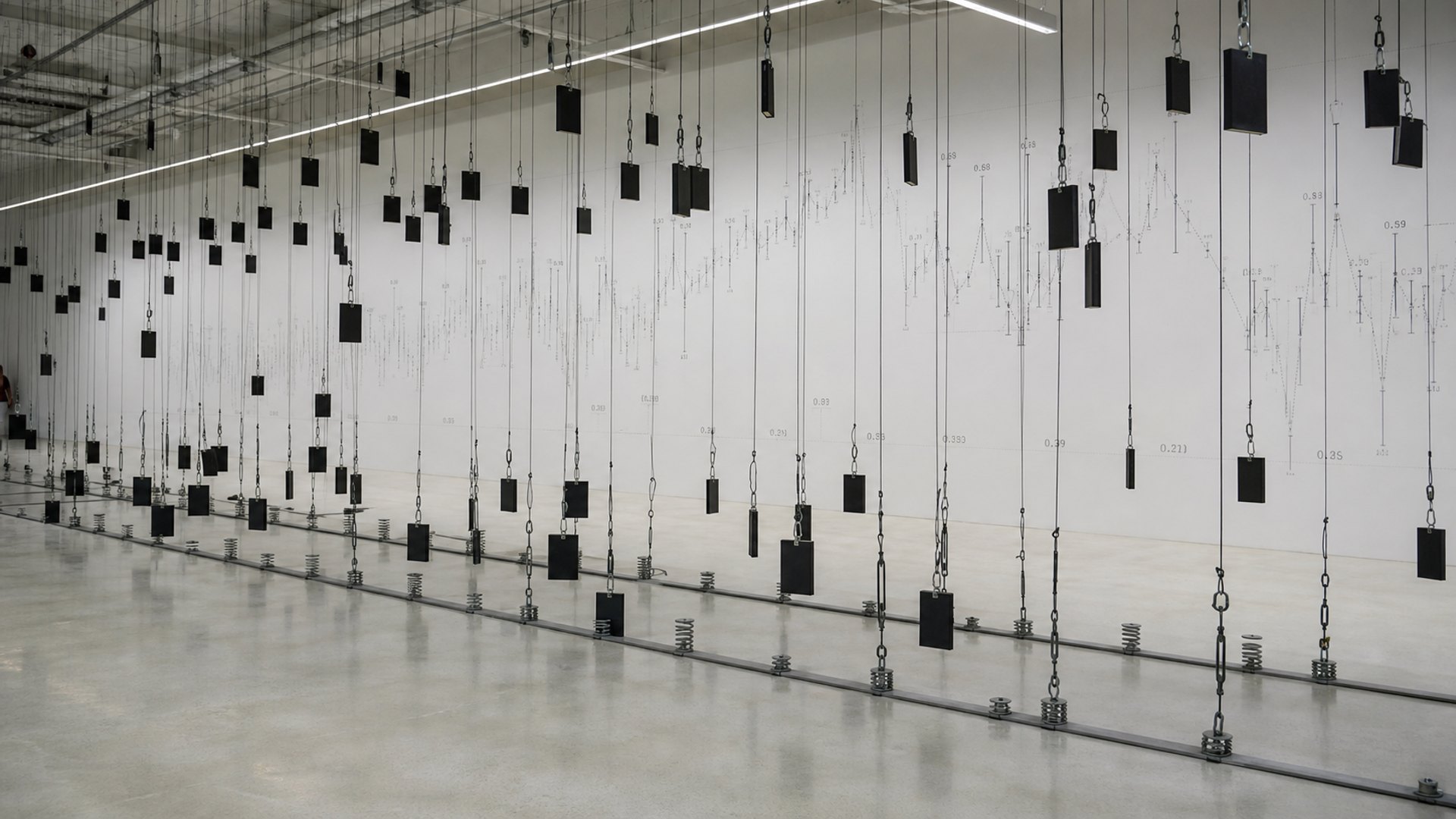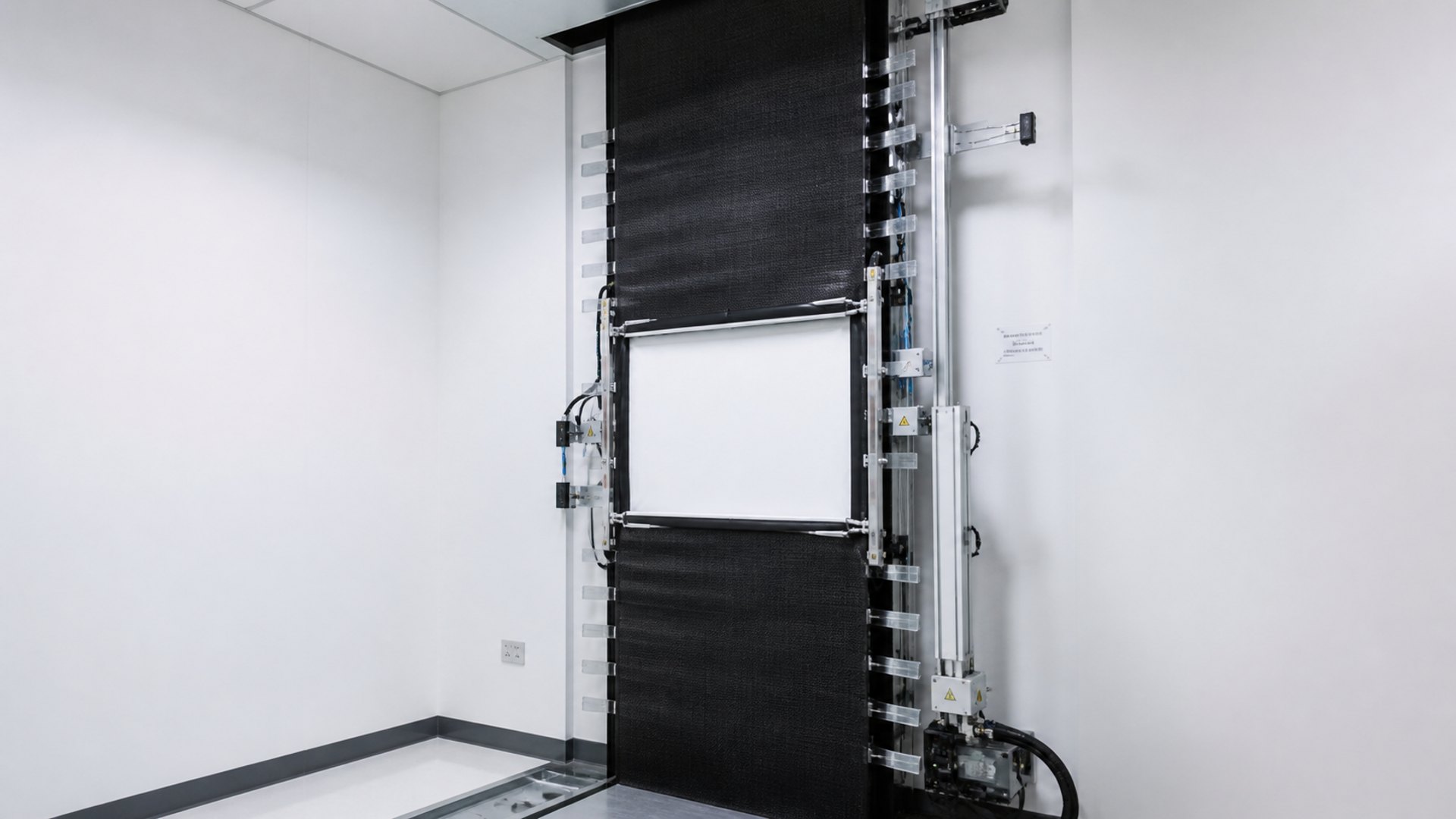
Before We Look — Fakewhale Studio, Output YA965, 2026
Before an image is seen, a sequence of decisions has already shaped its arrival. A platform has ranked it, an institution has assigned custody, a market has translated it into risk, or a project has determined the terms of its disappearance. Looking begins inside infrastructures that present themselves as neutral while quietly arranging duration, proximity, access, and value.
These systems do not replace perception; they script its conditions. The feed governs tempo, the contract divides ownership, the ending reorganizes memory, and the algorithm converts preference into executable instruction. Each appears to serve the viewer, collector, or institution, yet each also narrows what can count as a visible choice.
Across this issue, attention is treated less as a private faculty than as a contested interval: the moment before the scroll continues, before the artwork travels, before a space closes, before a purchase is made. Power enters precisely there, in the structure of the pause.
Meta’s $17.1 Billion Settlement and the Battle Over How We See

Tempo As Governance, gen. Fakewhale Studio, Output YA968, 2026
Meta’s $17.1 billion settlement intervenes directly in the mechanisms through which images reach younger users. The proposed limits address duration, sequence, visible approval, and interruption: time caps, breaks in infinite scroll, alerts, restrictions during school hours and overnight, and changes to likes and filters. The financial penalty is immense, but the deeper intervention concerns the visual environment that Facebook and Instagram have learned to make feel continuous.
The case appears inside the very feed it seeks to regulate. A legal report can arrive between a friend’s face, a commercial image, and a recommended post, all compressed into the same surface and handled through the same gesture. Their meanings remain different, yet the platform subjects them to a shared regime of visibility: each occupies the screen briefly, solicits a response, and is replaced.
To govern the platform is therefore also to govern a tempo of looking. The settlement does not decide which images should be seen; it modifies how long they can continue to appear, in what order, beside which indicators of approval, and with what kinds of pause. The dispute over protecting minors becomes a dispute over the conditions in which perception is formed. (…)
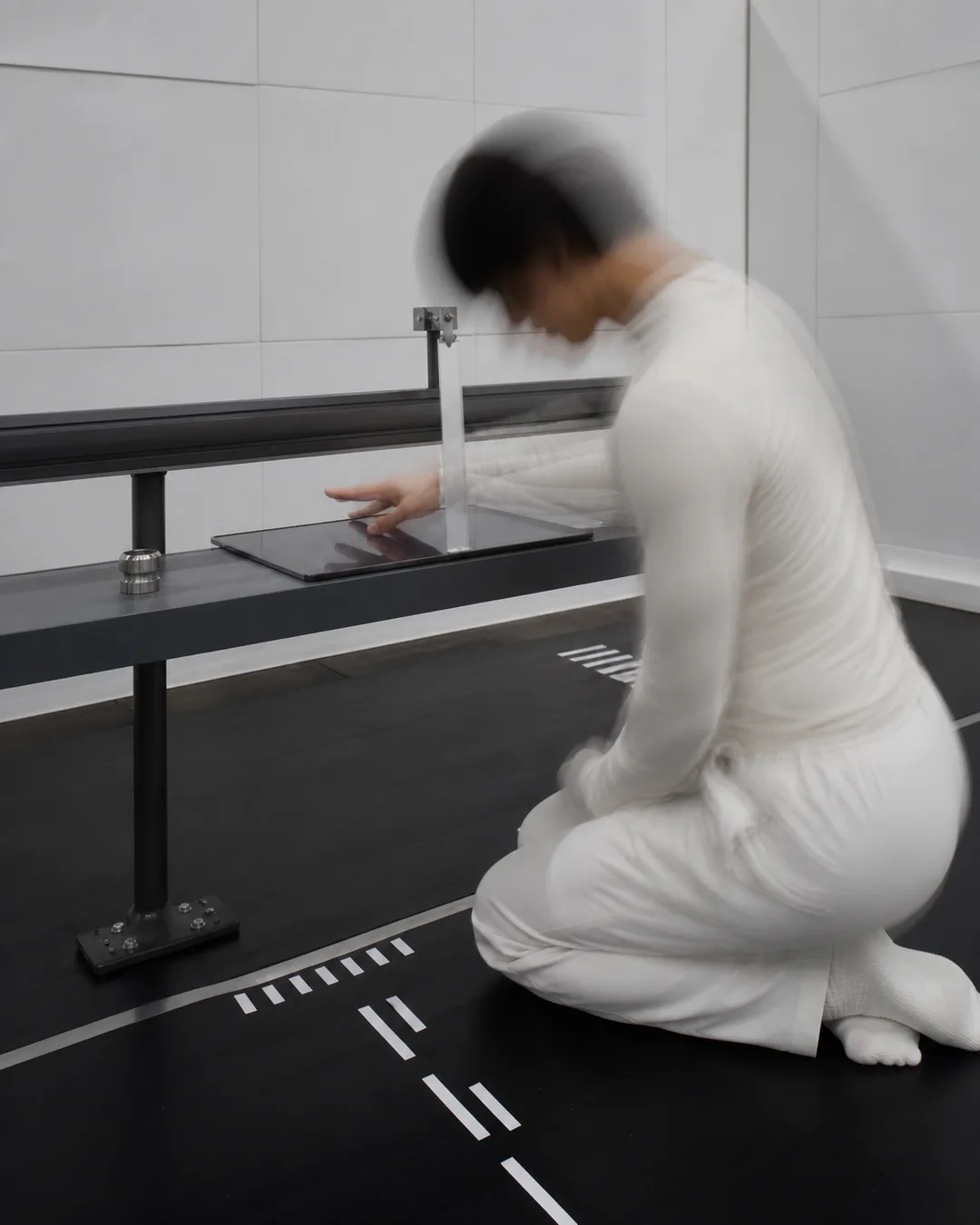
Form of Hesitation, gen. Fakewhale Studio, Output YA963, 2026
Comparison begins before filters and likes enter the picture. Our own lives remain continuous, full of pauses and scenes we would never select, while other people arrive as fragments already prepared for display. The feed brings these unequal conditions into constant contact and turns social evaluation into part of the image itself.
A pause cannot dissolve that architecture, but it can expose it. Interrupting the feed creates a small interval between stimulus and continuation, where the image may cease to function as a command and become available to judgment again. The political question is whether that interval can remain open. (…)
Explore the full Insight↓

Access Leaves On Schedule, gen. Fakewhale Studio, Output YA947, 2026
Joint acquisition gives the artwork a divided body and a consolidated aura. Several museums can split cost, risk, and legal title while each retains the symbolic force of proximity to the whole. The work becomes a financial instrument with civic manners: scarcity is converted into affiliation, and a fractional place in the ledger becomes a complete claim to cultural relevance.
Each institution receives access as a scheduled intensity, a period in which publicness, custody, and brand proximity temporarily coincide. The artwork belongs to several houses, yet every house can present it as an index of its own authority. Presence becomes rank, and rank becomes a form of possession that exceeds the percentage recorded in the acquisition file. (…)
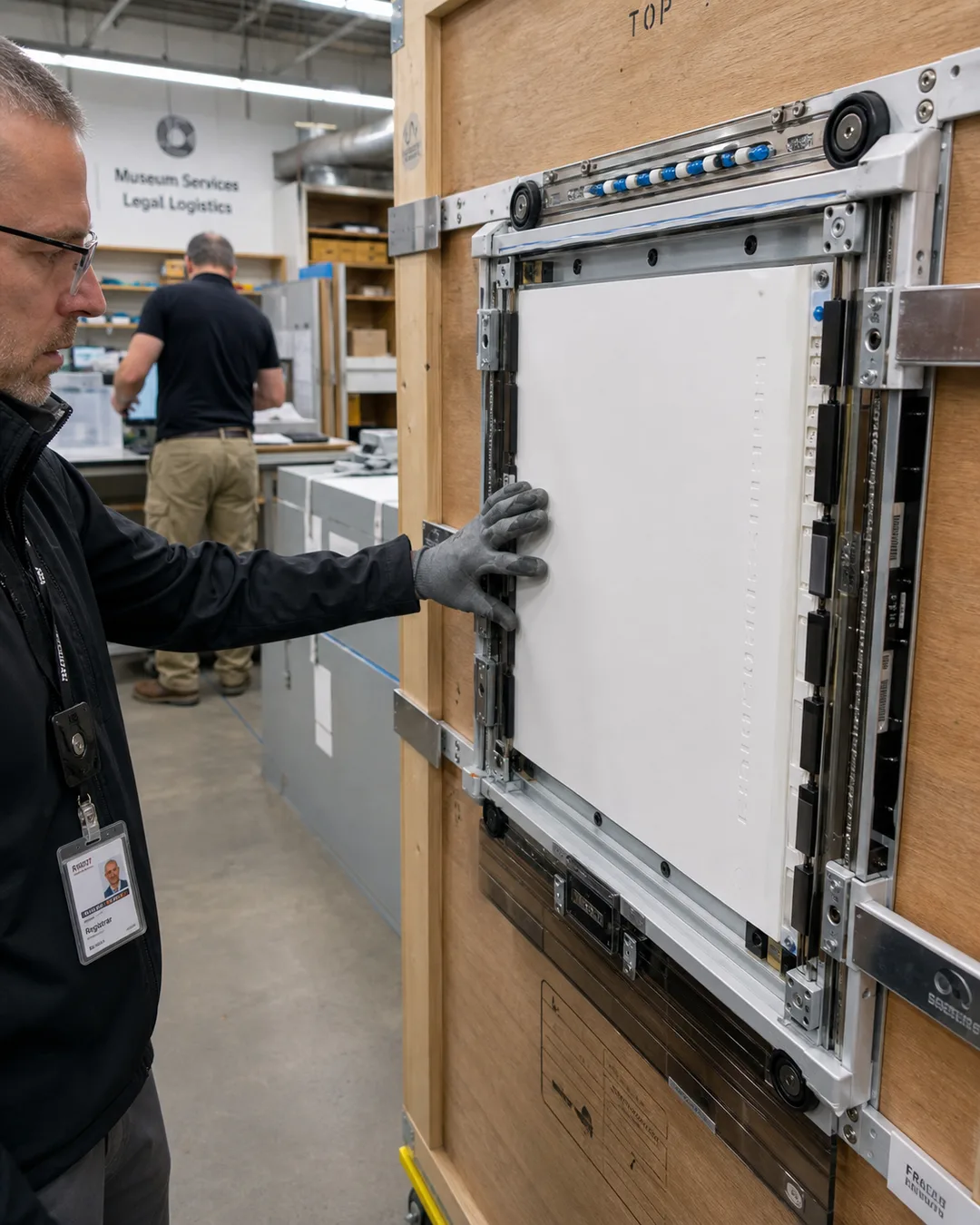
The First Exhibition Space, gen. Fakewhale Studio, Output YA944, 2026
The contract arrives before installation as the work’s first exhibition space. Its clauses allocate custody periods, define handling protocols, assign insurance values, regulate reproduction, and place conservation inside an administrative sequence. What the visitor meets as a singular image is already moving through a second architecture of permissions, signatures, options, and obligations.
Shared ownership can widen access while making authority harder to see. The work travels, but prestige remains continuously claimable; public encounter becomes a scheduled outcome of legal and logistical governance. Aura survives division by learning distribution, and collaboration becomes the polished surface of a carefully apportioned sovereignty. (…)
Explore the full Insight↓