Fakewhale Studio, 2026
Before a purchase becomes visible as an outcome, the body has already produced a trail: a route, a pause, a turn of the head, a glance that did not convert. The physical store is learning to read these intervals as the web reads clicks, transforming attention into a spatial asset even when the shopper remains unnamed.
Waiting operates through a related structure. The anticipated event may be uncertain or even absent, yet the interval keeps organizing the present. Notifications, queues, promises, and imagined futures give suspended time a direction; what has not happened begins to govern what we do now.
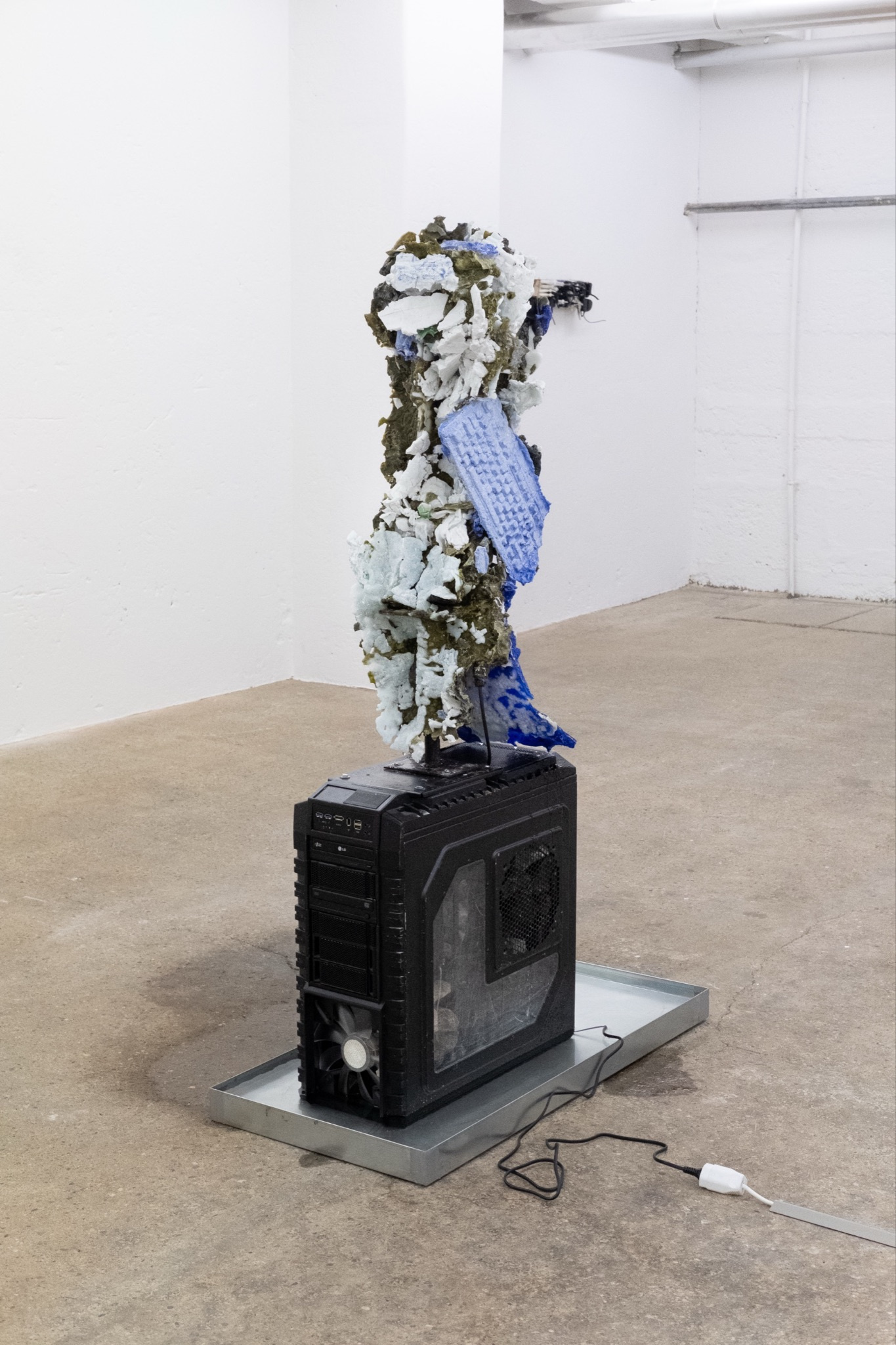
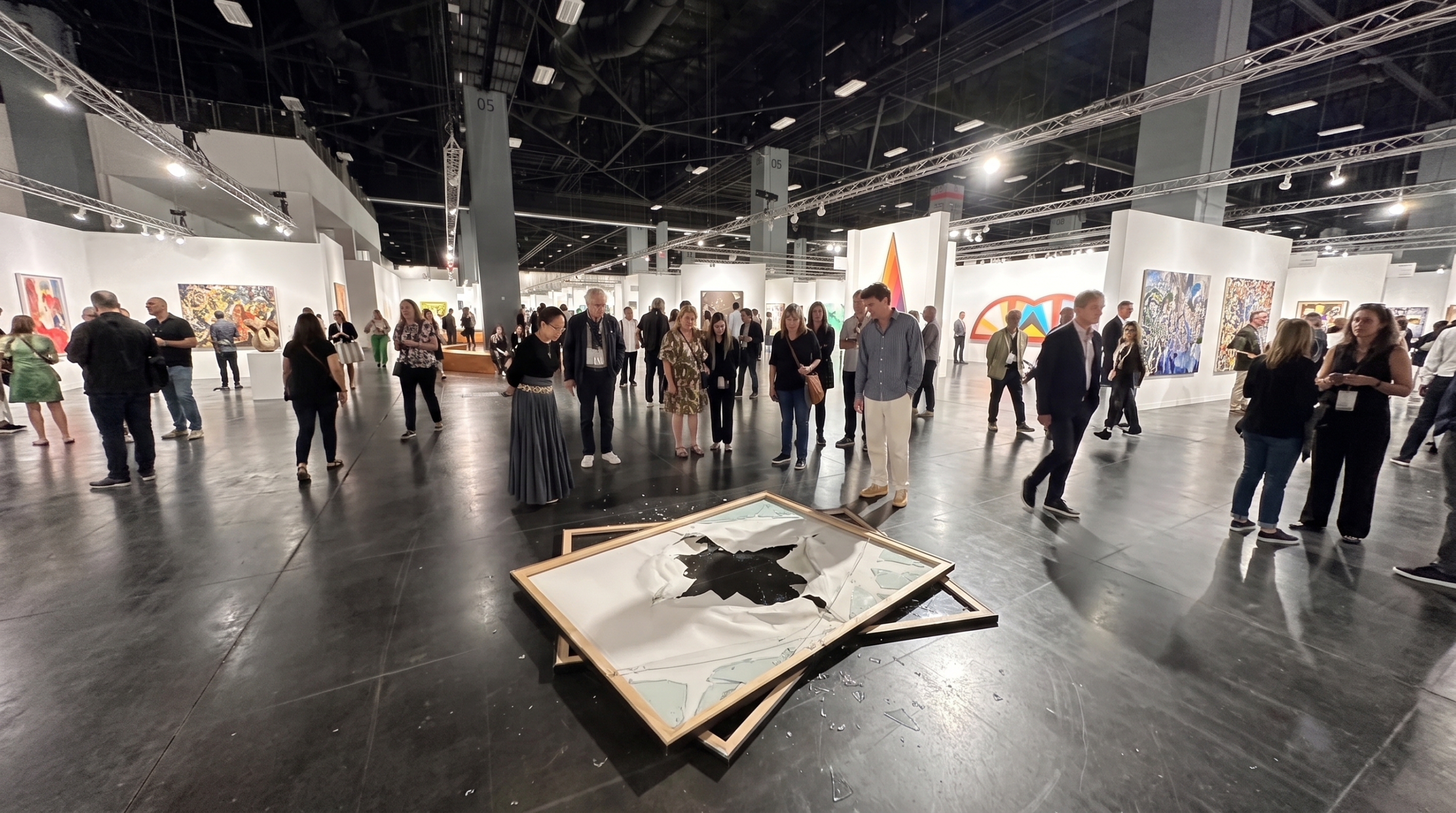
Across this issue, attention and expectation appear as infrastructures. A store optimizes the path before choice, a queue produces meaning without a destination, future-dated sculptures complicate linear time, and familiar myths shape how artistic labor is judged before the work is encountered.
*Fakewhale Newsletter Issue #87.
The Attention Economy: The Store Knows What You’re Looking At
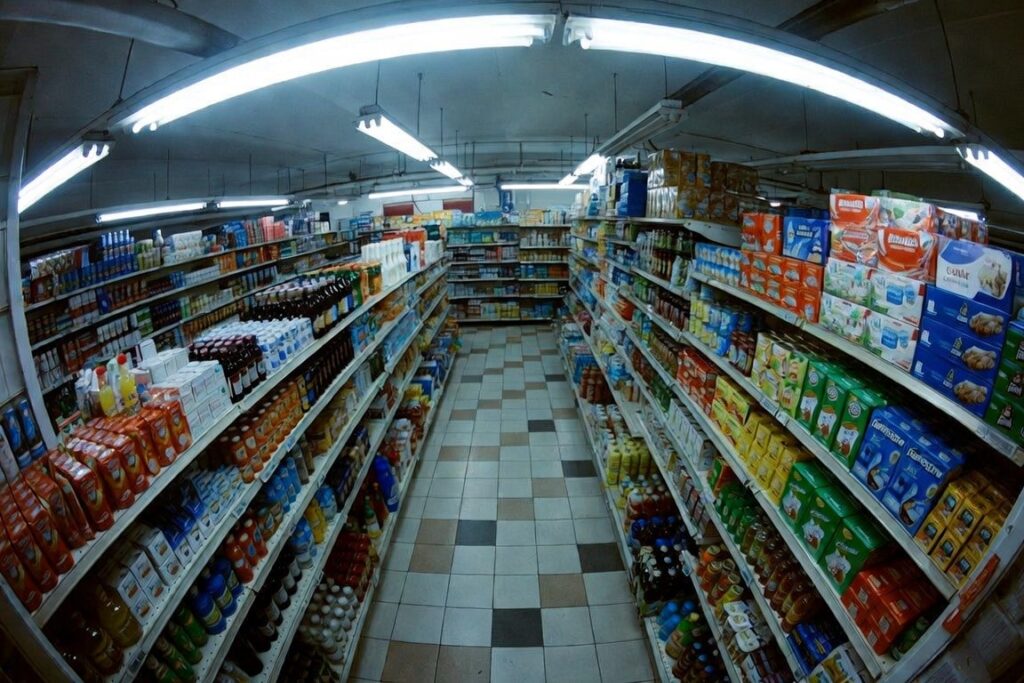
Fakewhale Studio, Output, YA1170, 2026
For two decades, digital platforms have measured the movements that precede a transaction: views, clicks, pauses, abandoned baskets, and conversion. Physical retail has known what was purchased but far less about what happened before the sale. Spatial computing begins to close that gap by treating the store as an interface and the shopper as a moving cursor.
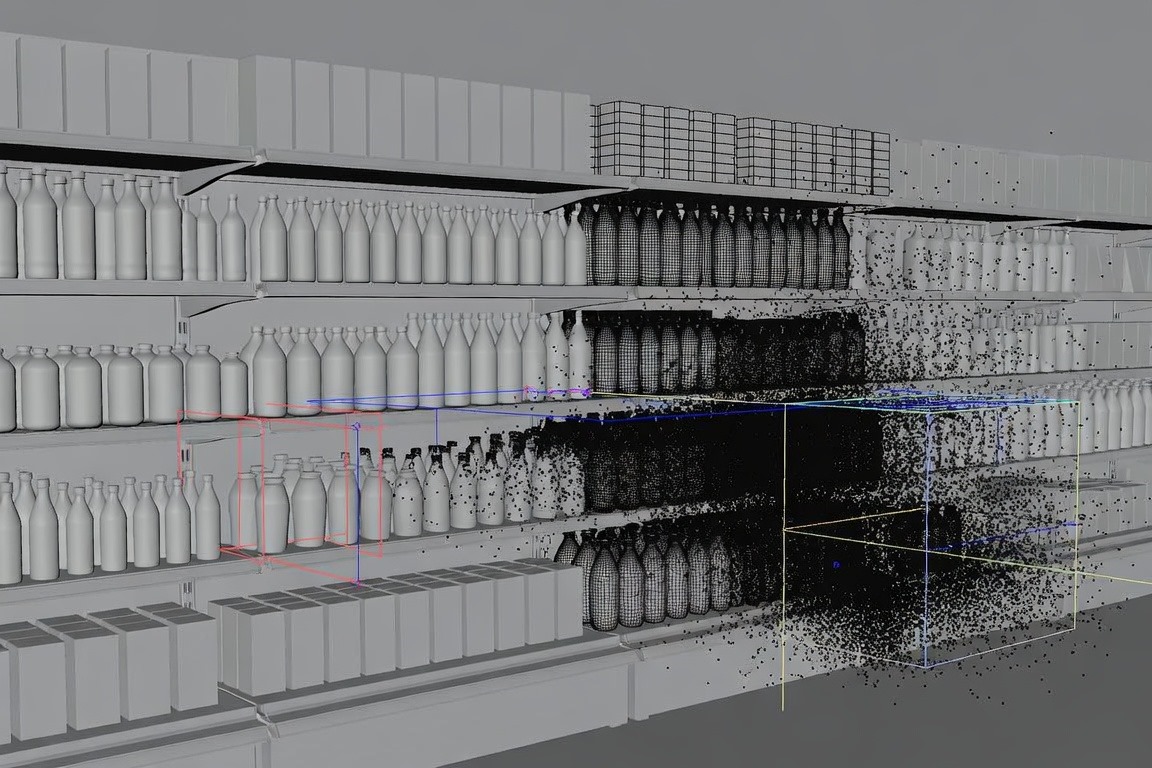
Auki’s Cactus does not read the precise point of the eye. It estimates head orientation through ordinary cameras, locates bodies inside a three-dimensional model of the store, and relates direction, position, and dwell time to shelves and products. The distinction matters: the system may not know who someone is, yet it can still make what they do economically legible.
Once attention can be mapped across space, the retail funnel expands from entry and purchase to everything between them: passing, seeing, looking, stopping, interacting. A glance without a sale no longer disappears. It becomes comparable data, capable of revealing which products attract attention, which remain invisible, and where attention fails to convert. (…)
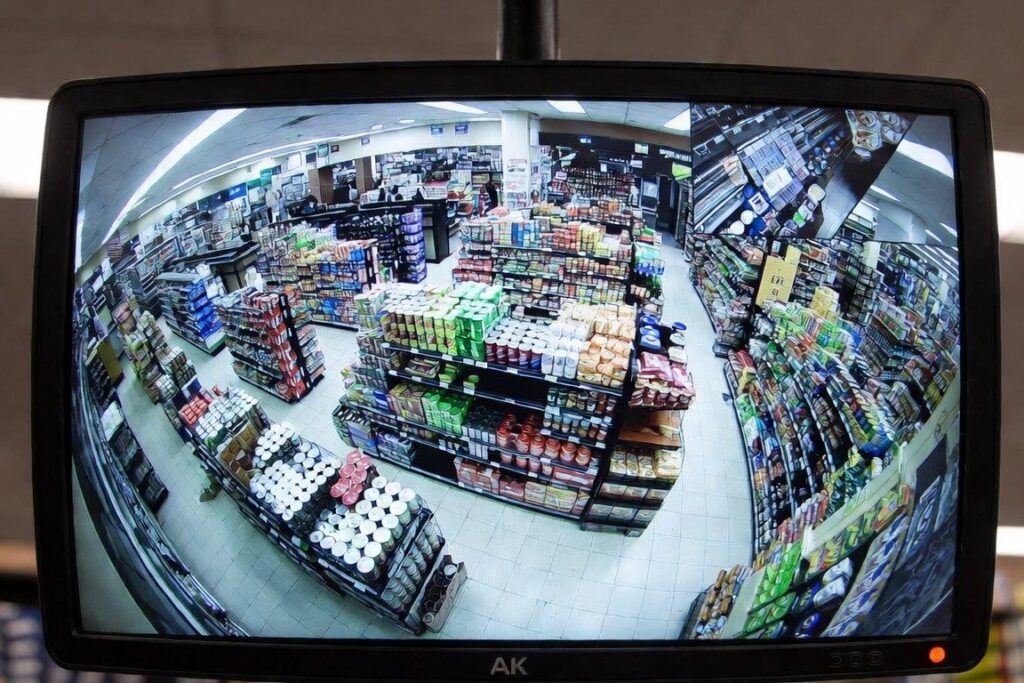
Fakewhale Studio, Output, YA1172, 2026
The store then becomes a feedback system: observe, measure, modify, measure again, optimize. Sales per square meter can be joined by attention per square meter, and architecture becomes something continuously tested rather than simply designed. The environment learns from behavior in order to rearrange the conditions of the next behavior.
This is the threshold between measurement and intervention. A system that records the shopper describes the present; a system that uses those observations to propose new layouts begins to engineer future choice. The most consequential influence may remain embedded in the apparent normality of a shelf, a route, or a product moved thirty centimeters. (…)
Explore the full Insight↓
What Are We Waiting For? Roman Ondák Staged a Queue for Nothing, And People Still Joined
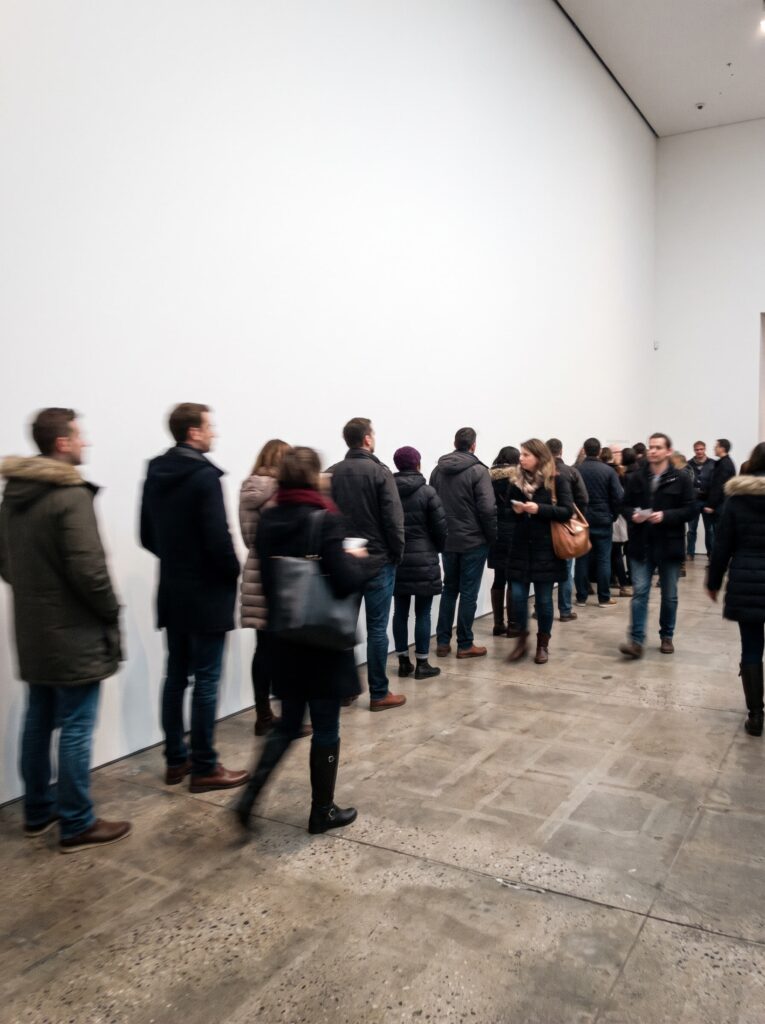
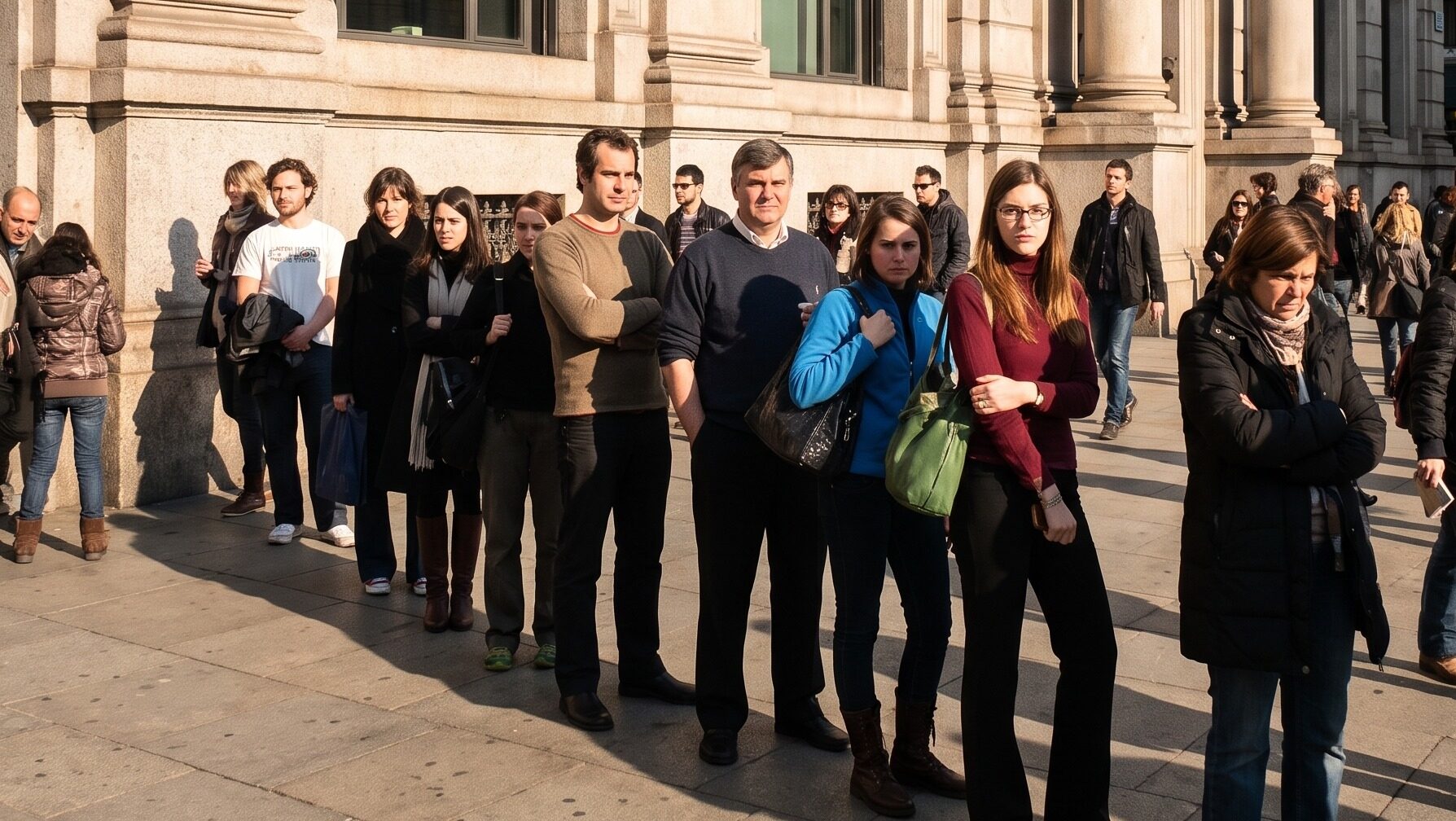
Fakewhale Studio, Output, YA1177, 2026
Roman Ondák’s Good Feelings in Good Times consists of people forming a queue without a destination. There is no counter, ticket, performance, or promised reward at the front. Yet the line quickly acquires credibility: if others are waiting, something must be worth waiting for.
The work exposes waiting as a social structure rather than empty time. We learn to interpret suspension as evidence that something is coming, while notifications, deliveries, results, and unanswered messages divide life into intervals of anticipation. The future begins to organize the present before its object is clear. (…)
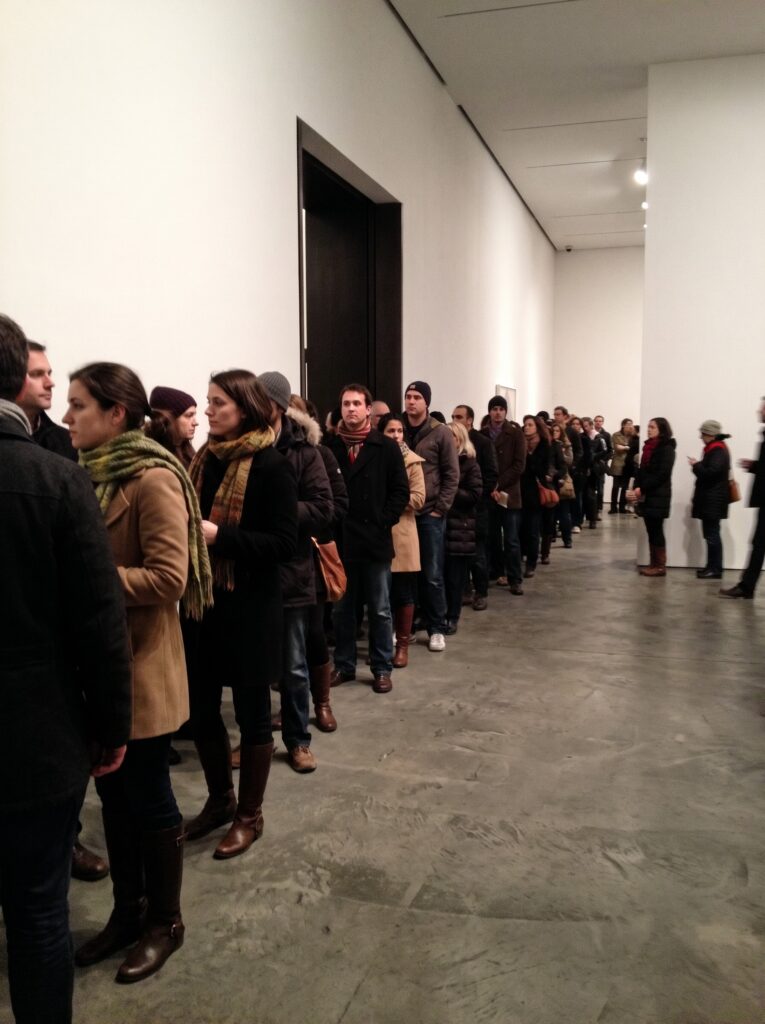
Fakewhale Studio, Output, YA1180, 2026
Desire has an object; waiting can survive after that object becomes uncertain. Its promise keeps possibility open, allowing imagined futures to feel fuller than the moment at hand. Each ending produces another delay, and the interval itself becomes habitual.
The problem is not that life contains waiting but that living is repeatedly postponed until a later condition is satisfied: “I’ll be happy when…” Ondák’s empty queue returns the question to us. What are we waiting for—and who taught us that the present should remain incomplete until it arrives? (…)
Explore the full Insight↓